

In today’s interconnected world, the importance of localization in global marketing cannot be overstated. As you expand your business across borders, you must recognize that each market has its unique cultural nuances, language preferences, and consumer behaviors. Localization goes beyond mere translation; it involves adapting your content, products, and marketing strategies to resonate with local audiences.
This is where artificial intelligence (AI) comes into play, offering innovative solutions to streamline and enhance the localization process. AI localization refers to the use of artificial intelligence technologies to tailor content for specific markets. By leveraging machine learning algorithms and natural language processing, you can analyze vast amounts of data to understand local preferences and trends.
This understanding allows you to create marketing campaigns that are not only linguistically accurate but also culturally relevant. As you delve deeper into the world of AI localization, you’ll discover how it can transform your global marketing efforts, making them more efficient and effective.
Key Takeaways
- AI enhances localization by adapting content to diverse cultural and linguistic contexts in global marketing.
- Multilingual SEO and keyword optimization are improved through AI-driven analysis and automation.
- AI-powered translation and transcreation ensure accurate and culturally relevant messaging across markets.
- Personalization and cultural adaptation are optimized using AI to tailor marketing strategies to local consumer preferences.
- AI enables advanced market analysis and consumer behavior prediction, shaping the future of global marketing strategies.
The Role of AI in Localizing Content for Global Markets
AI plays a pivotal role in localizing content for global markets by automating and optimizing various aspects of the localization process. One of the most significant advantages of AI is its ability to analyze large datasets quickly. This capability enables you to identify regional trends, consumer preferences, and even potential pitfalls in your marketing strategy.
By harnessing this data, you can create content that speaks directly to your target audience, ensuring that your message is not lost in translation. Moreover, AI-driven tools can assist in the actual localization of content. For instance, machine translation services powered by AI can provide quick translations that maintain the essence of your original message.
While these translations may require human oversight for nuances and context, they serve as a valuable starting point. As you integrate AI into your localization efforts, you’ll find that it not only saves time but also enhances the overall quality of your content, allowing you to focus on strategic initiatives rather than mundane tasks.
Leveraging AI for Multilingual SEO and Keyword Optimization

When it comes to global marketing, search engine optimization (SEO) is a critical component that cannot be overlooked. As you target multiple languages and regions, the challenge lies in optimizing your content for various search engines while ensuring that it remains relevant to local audiences. AI can significantly enhance your multilingual SEO efforts by analyzing search patterns and identifying high-performing keywords in different languages.
By utilizing AI-driven tools, you can conduct comprehensive keyword research tailored to each market. These tools can analyze search volume, competition, and user intent, allowing you to select the most effective keywords for your campaigns. Additionally, AI can help you optimize your website’s structure and metadata for different languages, ensuring that your content ranks well in local search results.
As you embrace AI for multilingual SEO, you’ll find that it not only improves your visibility but also drives targeted traffic to your site.
AI-Powered Translation and Transcreation for Global Marketing
Translation is a fundamental aspect of localization, but it’s essential to recognize that translation alone may not suffice for effective global marketing. This is where transcreation comes into play—a process that involves adapting content creatively while preserving its original intent and emotional impact. AI-powered translation tools can assist in this process by providing context-aware translations that consider cultural nuances.
With advancements in natural language processing, AI can now generate translations that are not only accurate but also culturally appropriate. For instance, idiomatic expressions or humor may not translate well across cultures; however, AI can suggest alternatives that resonate with local audiences. By leveraging AI for both translation and transcreation, you can ensure that your marketing messages are compelling and relatable, ultimately enhancing your brand’s appeal in diverse markets.
Personalization and Cultural Adaptation with AI in Global Marketing
In an era where consumers expect personalized experiences, leveraging AI for cultural adaptation is crucial for successful global marketing. AI enables you to analyze consumer data and behavior patterns, allowing you to tailor your marketing messages to individual preferences. By understanding what resonates with different cultural groups, you can create targeted campaigns that speak directly to their needs and desires.
For example, AI can help you segment your audience based on demographics, interests, and purchasing behavior. This segmentation allows you to deliver personalized content that aligns with local customs and values. Whether it’s adjusting imagery, tone, or messaging style, AI empowers you to create a more engaging experience for your audience.
As you embrace personalization through AI, you’ll foster stronger connections with consumers across various markets.
AI-Driven Market Analysis and Consumer Behavior Prediction
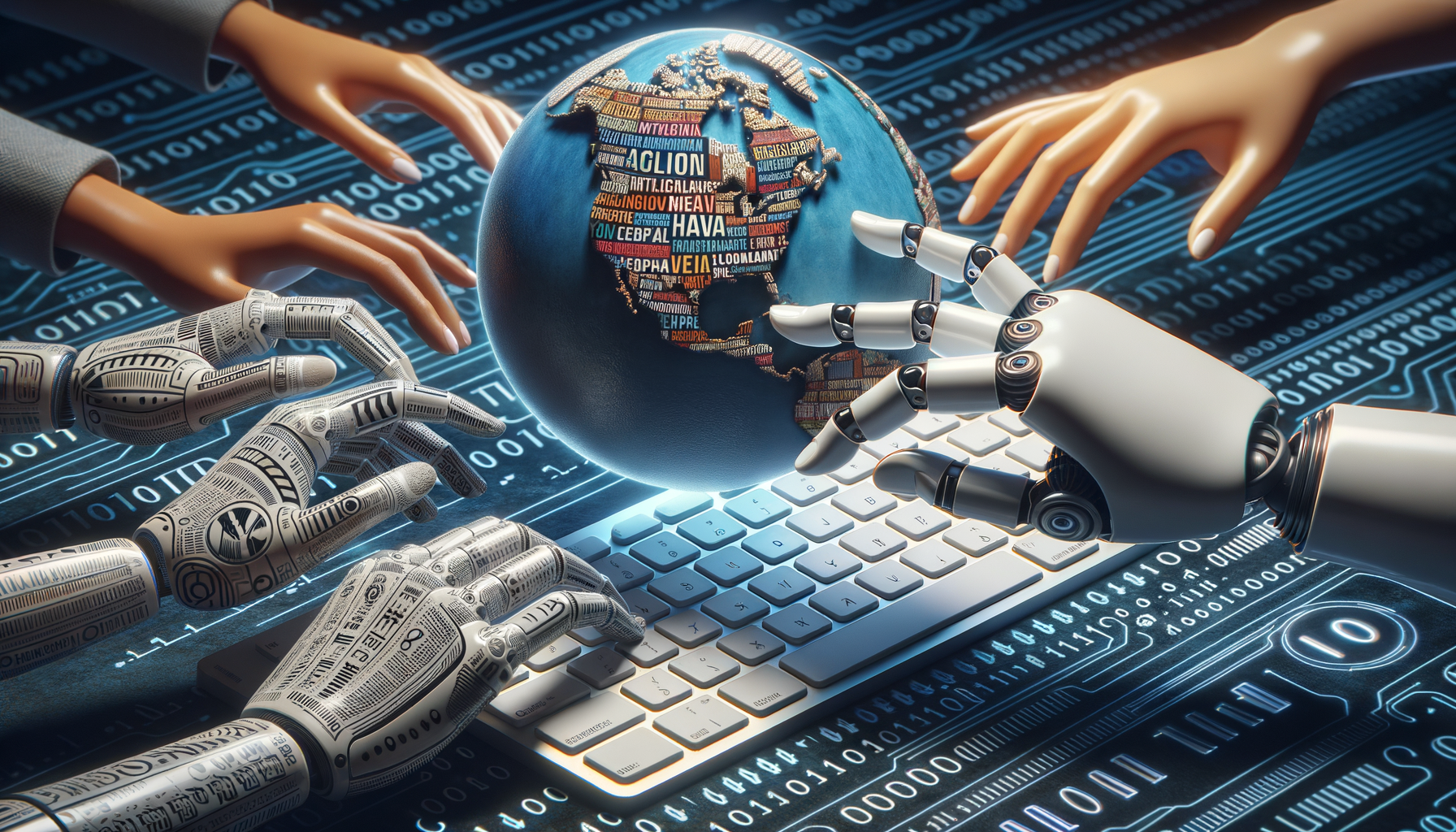
Understanding market dynamics and consumer behavior is essential for any successful global marketing strategy. AI-driven market analysis tools can provide valuable insights into emerging trends, competitive landscapes, and consumer preferences. By harnessing these insights, you can make informed decisions about product launches, marketing campaigns, and resource allocation.
Moreover, AI excels at predicting consumer behavior by analyzing historical data and identifying patterns. This predictive capability allows you to anticipate market shifts and adapt your strategies accordingly. For instance, if data indicates a growing interest in sustainable products in a particular region, you can pivot your marketing efforts to highlight eco-friendly features.
By leveraging AI for market analysis and consumer behavior prediction, you’ll position yourself ahead of the competition and respond proactively to changing market conditions.
The Future of AI in Localization and Global Marketing
As technology continues to evolve, the future of AI in localization and global marketing looks promising. Innovations in machine learning and natural language processing will further enhance the capabilities of AI-driven tools, making them even more effective at understanding cultural nuances and consumer preferences. You can expect more sophisticated algorithms that not only translate but also adapt content in real-time based on user interactions.
Additionally, as businesses increasingly recognize the value of data-driven decision-making, the integration of AI into localization strategies will become more prevalent. Companies will invest in advanced analytics tools that provide deeper insights into market trends and consumer behavior. As a result, you’ll be better equipped to create targeted campaigns that resonate with diverse audiences around the globe.
Best Practices and Considerations for Implementing AI in Global Marketing
While the benefits of integrating AI into your global marketing strategy are clear, there are best practices and considerations to keep in mind during implementation. First and foremost, it’s essential to choose the right AI tools that align with your specific needs and objectives. Conduct thorough research to identify solutions that offer robust features for localization, SEO optimization, translation, and market analysis.
Furthermore, while AI can significantly enhance efficiency, human oversight remains crucial. Ensure that your team includes language experts who can review translations and adaptations for accuracy and cultural relevance. Balancing automation with human expertise will yield the best results in your global marketing efforts.
Lastly, continuously monitor the performance of your AI-driven initiatives. Collect feedback from local teams and consumers to refine your strategies over time. By staying agile and responsive to market changes, you’ll maximize the impact of your global marketing campaigns while effectively leveraging the power of AI.
In conclusion, as you navigate the complexities of global marketing in an increasingly digital landscape, embracing AI localization will be key to your success. By understanding its role in localizing content, optimizing SEO efforts, enhancing translation processes, personalizing experiences, analyzing markets, predicting consumer behavior, and implementing best practices, you’ll position yourself as a leader in the global marketplace. The future is bright for those who harness the power of AI in their localization strategies—so take the leap and watch your global reach expand like never before.