

Augmented Reality (AR) is a technology that overlays digital information onto the real world, enhancing your perception of your surroundings. Unlike Virtual Reality (VR), which immerses you in a completely digital environment, AR allows you to interact with both the physical and digital realms simultaneously. This technology has gained significant traction in recent years, thanks to advancements in mobile devices and software development.
As you explore AR, you may find yourself captivated by its potential to transform everyday experiences, from shopping to gaming and beyond. As you delve deeper into the world of AR, you will discover its various applications across different industries. Retailers, for instance, have begun to utilize AR to create immersive shopping experiences that allow you to visualize products in your own space before making a purchase.
Imagine being able to see how a piece of furniture would look in your living room or trying on clothes virtually without stepping foot in a store. This blend of the digital and physical worlds not only enhances your shopping experience but also fosters a deeper connection between you and the brand.
Key Takeaways
- Augmented Reality (AR) enhances brand engagement by creating immersive consumer experiences.
- Artificial Intelligence (AI) personalizes interactions, making brand communication more effective.
- AR significantly influences consumer behavior by increasing engagement and purchase intent.
- AI transforms brand-consumer interactions through data-driven insights and real-time responsiveness.
- Combining AR and AI presents both challenges and opportunities for innovative brand engagement strategies.
The Role of AI in Brand Engagement
Artificial Intelligence (AI) plays a pivotal role in shaping how brands engage with consumers like you. By analyzing vast amounts of data, AI can identify patterns and preferences that inform marketing strategies tailored specifically to your interests. This level of personalization enhances your experience as a consumer, making interactions with brands more relevant and meaningful.
As you navigate through various platforms, you may notice how AI-driven recommendations can lead you to products or services that align with your tastes and needs. Moreover, AI enables brands to communicate with you in real-time, providing instant support and information through chatbots and virtual assistants. These tools are designed to understand your queries and respond promptly, creating a seamless interaction that enhances your overall experience.
As you engage with brands, the integration of AI not only streamlines communication but also fosters a sense of connection, making you feel valued as a customer.
The Impact of Augmented Reality on Consumer Behavior

The introduction of Augmented Reality has significantly altered consumer behavior, influencing how you make purchasing decisions. With AR, you are no longer limited to static images or descriptions; instead, you can visualize products in a dynamic way that resonates with your personal preferences. This immersive experience can lead to increased confidence in your choices, as you can see how an item fits into your life before committing to a purchase.
As a result, AR has the potential to reduce return rates and enhance customer satisfaction. Additionally, AR has the power to create memorable experiences that foster brand loyalty. When you engage with a brand through an AR application, you are likely to remember that interaction more vividly than a traditional advertisement.
This emotional connection can lead to repeat purchases and positive word-of-mouth recommendations among your peers. As you share your experiences with others, the brand benefits from organic promotion, further solidifying its presence in the market.
How AI is Changing the Way Brands Interact with Consumers
AI is revolutionizing brand-consumer interactions by enabling more personalized and efficient communication. As you engage with brands online, AI algorithms analyze your behavior and preferences, allowing companies to tailor their messaging specifically for you. This means that when you receive marketing emails or see advertisements on social media, they are often curated based on your past interactions and interests.
This level of personalization not only captures your attention but also increases the likelihood of conversion. Furthermore, AI-driven analytics provide brands with insights into consumer sentiment and trends. By understanding how you feel about their products or services, brands can adjust their strategies accordingly.
For instance, if feedback indicates that customers are dissatisfied with a particular feature, brands can quickly pivot and make improvements. This responsiveness fosters a sense of trust and loyalty between you and the brand, as it demonstrates their commitment to meeting your needs.
The Future of Brand Engagement in the Age of Augmented Reality and AI
As technology continues to evolve, the future of brand engagement will be heavily influenced by the integration of Augmented Reality and AI. You can expect to see even more innovative applications that enhance your shopping experience and deepen your connection with brands. For instance, imagine walking through a store where AR displays provide real-time information about products based on your preferences or previous purchases.
This level of interactivity will not only make shopping more enjoyable but also empower you to make informed decisions. Moreover, as AI becomes more sophisticated, brands will be able to predict trends and consumer behavior with greater accuracy. This predictive capability will allow them to create proactive marketing strategies that resonate with you before you even realize what you’re looking for.
The combination of AR and AI will create an ecosystem where brands can engage with consumers like you in ways that feel intuitive and seamless, ultimately transforming the landscape of brand engagement.
Harnessing the Power of Augmented Reality for Brand Engagement
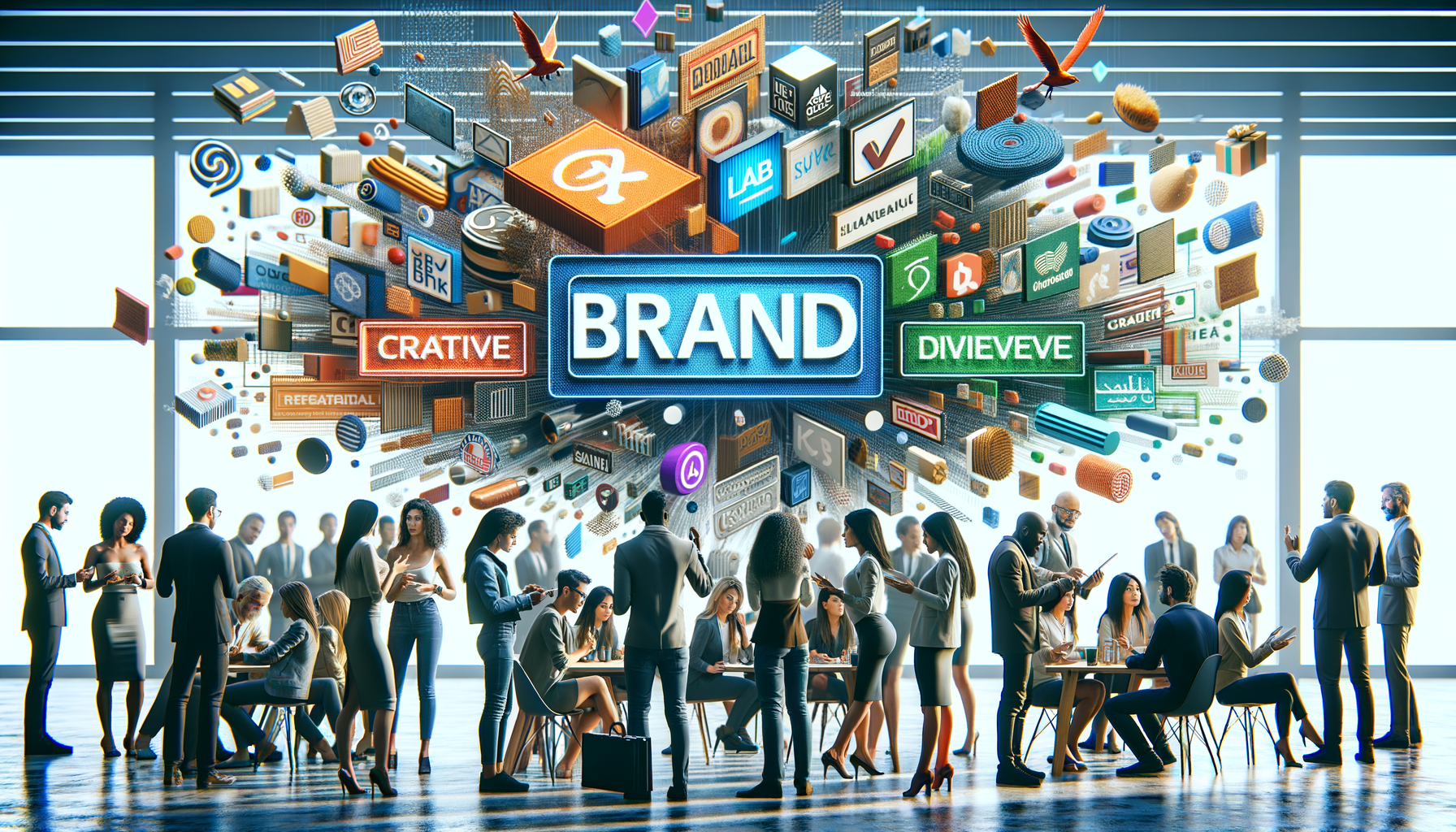
To effectively harness the power of Augmented Reality for brand engagement, companies must focus on creating meaningful experiences that resonate with consumers like you. This involves developing AR applications that are not only visually appealing but also provide value in terms of information or entertainment. For example, a beauty brand might offer an AR feature that allows you to virtually try on makeup products before purchasing them.
This interactive experience not only engages you but also helps build trust in the brand’s offerings. Additionally, brands should consider integrating social sharing features into their AR experiences. By allowing you to share your AR interactions on social media platforms, brands can amplify their reach and encourage organic promotion among your network.
When you share a fun or useful AR experience with friends, it creates a sense of community around the brand and fosters deeper connections among consumers.
Integrating AI into Brand Engagement Strategies
Integrating AI into brand engagement strategies requires a thoughtful approach that prioritizes consumer needs and preferences. As you interact with brands online, they should leverage AI tools to analyze your behavior and tailor their messaging accordingly. This means utilizing data-driven insights to create personalized marketing campaigns that resonate with you on an individual level.
By understanding what drives your purchasing decisions, brands can craft messages that speak directly to your interests. Moreover, brands should invest in AI-powered customer service solutions that enhance your experience when seeking support or information. Chatbots equipped with natural language processing capabilities can provide instant assistance while learning from each interaction to improve future responses.
This level of efficiency not only saves time for both you and the brand but also creates a more satisfying experience overall.
The Challenges and Opportunities of Augmented Reality and AI for Brands
While the integration of Augmented Reality and AI presents numerous opportunities for brands, it also comes with its share of challenges. One significant hurdle is ensuring that these technologies are accessible and user-friendly for all consumers like you. Brands must invest in research and development to create intuitive interfaces that enhance rather than complicate your experience.
If AR applications are difficult to navigate or require extensive technical knowledge, they risk alienating potential customers. On the other hand, the opportunities presented by AR and AI are vast. Brands that successfully leverage these technologies can differentiate themselves in a crowded marketplace by offering unique experiences that resonate with consumers like you.
By embracing innovation and staying attuned to emerging trends, brands can position themselves as leaders in their industries while fostering lasting relationships with their customers. In conclusion, as you navigate the evolving landscape of brand engagement shaped by Augmented Reality and Artificial Intelligence, it becomes clear that these technologies hold immense potential for enhancing consumer experiences. By understanding how AR enriches interactions and how AI personalizes communication, you can appreciate the transformative impact these innovations have on the way brands connect with consumers like yourself.
The future promises even more exciting developments as brands continue to harness these technologies to create meaningful engagements that resonate deeply with their audiences.