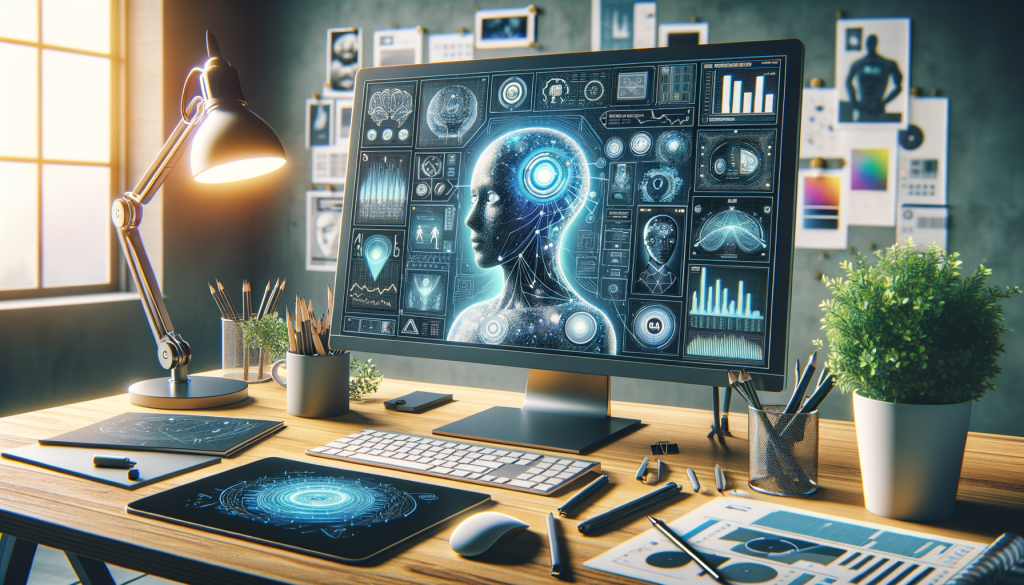

As you delve into the world of user experience (UX) design, it becomes increasingly clear that artificial intelligence (AI) is not just a passing trend but a transformative force reshaping the landscape. AI plays a pivotal role in enhancing the way designers understand user behavior, preferences, and needs. By analyzing vast amounts of data, AI can identify patterns and trends that might be invisible to the human eye.
This capability allows you to create more intuitive and user-centered designs, ultimately leading to a more satisfying experience for users. Moreover, AI can automate repetitive tasks, freeing up your time to focus on more creative aspects of design. For instance, AI tools can assist in A/B testing by quickly analyzing user interactions and providing insights on which design elements perform better.
This not only speeds up the design process but also enhances the overall quality of the final product. As you embrace AI in your UX design practice, you will find that it empowers you to make data-driven decisions, leading to more effective and engaging user experiences.
Key Takeaways
- AI plays a crucial role in transforming UX design by enabling more personalized and adaptive user experiences.
- Leveraging AI allows designers to create highly customized interactions that enhance customer engagement and satisfaction.
- AI-driven tools, including chatbots, improve customer interaction by providing real-time, intelligent support.
- Predictive analytics powered by AI help anticipate user needs, optimizing UX strategies and design decisions.
- Despite challenges, integrating AI into UX design opens up innovative opportunities for future advancements and improved user interfaces.
Leveraging AI for Personalized User Experiences
Personalization has become a cornerstone of effective UX design, and AI is at the forefront of this movement. By harnessing AI algorithms, you can analyze user data to tailor experiences that resonate with individual preferences. Imagine a scenario where a user visits your website; AI can track their behavior, such as pages visited and time spent on each section, to curate content that aligns with their interests.
This level of personalization not only enhances user satisfaction but also fosters loyalty, as users feel understood and valued. Furthermore, AI can facilitate dynamic content delivery based on real-time user interactions. For example, if a user frequently engages with specific types of products or services, AI can prioritize showcasing similar offerings during their next visit.
This proactive approach not only improves the user experience but also increases conversion rates. As you explore the potential of AI in creating personalized experiences, you will discover that it allows you to connect with users on a deeper level, ultimately driving engagement and satisfaction.
Enhancing Customer Engagement through AI-driven UX

In today’s digital landscape, customer engagement is paramount, and AI-driven UX design offers innovative solutions to enhance this engagement. By integrating AI tools into your design process, you can create interactive experiences that captivate users and encourage them to explore further. For instance, AI can analyze user interactions in real-time, allowing you to adjust elements such as layout or content dynamically based on user behavior.
This adaptability keeps users engaged and encourages them to spend more time on your platform. Additionally, AI can facilitate gamification elements within your designs, making interactions more enjoyable and rewarding. By incorporating features like points systems or challenges based on user actions, you can motivate users to engage more deeply with your content.
As you leverage AI to enhance customer engagement, you will find that it not only improves user satisfaction but also drives brand loyalty and advocacy.
The Impact of AI on User Interface Design
The influence of AI extends beyond UX into the realm of user interface (UI) design, where it plays a crucial role in creating visually appealing and functional interfaces. With AI-powered design tools, you can automate aspects of UI creation, such as layout adjustments or color scheme suggestions based on user preferences. This streamlining of the design process allows you to focus on crafting unique and engaging interfaces that resonate with your target audience.
Moreover, AI can assist in optimizing UI elements for accessibility. By analyzing user interactions and feedback, AI can identify areas where users may struggle and suggest improvements to enhance usability for all individuals, including those with disabilities. As you integrate AI into your UI design process, you will find that it not only enhances the aesthetic appeal of your designs but also ensures inclusivity and accessibility for a broader audience.
Implementing AI-powered Chatbots for Improved Customer Interaction
One of the most significant advancements in customer interaction is the implementation of AI-powered chatbots. These virtual assistants are designed to provide instant support and information to users, enhancing their overall experience. By integrating chatbots into your UX design, you can offer 24/7 assistance, addressing user queries promptly and efficiently.
This immediate access to information not only improves user satisfaction but also reduces frustration associated with waiting for human support. Furthermore, chatbots can be programmed to learn from interactions over time, becoming more adept at understanding user needs and preferences. As they gather data from conversations, they can provide personalized recommendations or solutions tailored to individual users.
This level of customization fosters a sense of connection between users and your brand, ultimately leading to increased loyalty and engagement. As you explore the potential of AI-powered chatbots in your UX strategy, you’ll discover that they are invaluable tools for enhancing customer interaction.
Utilizing AI for Predictive Analytics in UX

Predictive analytics is another area where AI shines in UX design. By analyzing historical data and user behavior patterns, AI can forecast future actions and preferences. This capability allows you to anticipate user needs and make informed design decisions that align with their expectations.
For instance, if data indicates that users tend to abandon their shopping carts at a specific point in the checkout process, you can proactively address this issue by simplifying that step or providing additional support. Moreover, predictive analytics can inform your marketing strategies by identifying trends and opportunities for engagement. By understanding what drives user behavior, you can tailor your campaigns to resonate with your audience effectively.
As you harness the power of predictive analytics in your UX design process, you’ll find that it empowers you to create experiences that not only meet but exceed user expectations.
Overcoming Challenges in Integrating AI into UX Design
While the benefits of integrating AI into UX design are substantial, there are challenges that you may encounter along the way. One significant hurdle is the potential for bias in AI algorithms. If the data used to train these algorithms is skewed or unrepresentative, it can lead to biased outcomes that negatively impact user experiences.
To mitigate this risk, it’s essential to ensure that your data sources are diverse and inclusive. Another challenge lies in the complexity of implementing AI technologies within existing design frameworks. You may need to invest time and resources into training team members or adapting workflows to accommodate new tools.
However, overcoming these challenges is crucial for reaping the rewards of AI-driven UX design. By fostering a culture of continuous learning and adaptation within your team, you can successfully integrate AI into your processes and unlock its full potential.
The Future of AI and UX: Innovations and Opportunities
As you look ahead to the future of AI and UX design, it’s clear that innovations will continue to emerge at a rapid pace. The integration of advanced technologies such as machine learning and natural language processing will further enhance the capabilities of AI in understanding user behavior and preferences. This evolution will enable you to create even more personalized and engaging experiences that resonate with users on a deeper level.
Additionally, as AI becomes more sophisticated, there will be opportunities for collaboration between human designers and intelligent systems. Rather than replacing human creativity, AI will serve as a powerful tool that complements your skills and insights. Embracing this collaborative approach will allow you to push the boundaries of UX design and explore new possibilities for innovation.
In conclusion, the role of AI in UX design is multifaceted and transformative. By leveraging its capabilities for personalization, engagement, predictive analytics, and more, you can create exceptional user experiences that drive satisfaction and loyalty. While challenges exist in integrating these technologies into your workflows, the potential rewards far outweigh the obstacles.
As you navigate this evolving landscape, remain open to new ideas and innovations that will shape the future of UX design in an increasingly digital world.