

In today’s fast-paced digital landscape, businesses are increasingly turning to predictive analytics and artificial intelligence (AI) to gain a competitive edge. These technologies enable organizations to analyze vast amounts of data, uncover patterns, and make informed decisions that drive growth and enhance customer experiences. As you navigate this evolving field, understanding the fundamentals of predictive analytics and AI will empower you to harness their potential effectively.
By leveraging these tools, you can anticipate customer needs, optimize marketing strategies, and ultimately improve your bottom line. Predictive analytics involves using statistical algorithms and machine learning techniques to identify the likelihood of future outcomes based on historical data. When combined with AI, which simulates human intelligence processes, the capabilities of predictive analytics are significantly enhanced.
This synergy allows for more accurate predictions and deeper insights into customer behavior. As you delve into this article, you will discover how these technologies can transform your approach to understanding and engaging with customers, paving the way for more effective marketing strategies.
Key Takeaways
- Predictive analytics and AI are essential tools for understanding and forecasting customer behavior.
- AI enhances predictive models, leading to more accurate customer insights and higher ROI.
- Integrating predictive analytics into marketing strategies improves targeting and personalization.
- Real-world case studies demonstrate the effectiveness of AI-driven customer behavior forecasting.
- Despite challenges, future trends indicate growing sophistication and adoption of AI in predictive analytics.
Understanding Customer Behavior
To effectively utilize predictive analytics and AI, it is crucial to first grasp the intricacies of customer behavior. Every interaction a customer has with your brand leaves a digital footprint, providing valuable insights into their preferences, motivations, and purchasing patterns. By analyzing this data, you can develop a comprehensive understanding of what drives your customers’ decisions.
This knowledge is essential for tailoring your marketing efforts to meet their needs and expectations. As you explore customer behavior, consider the various factors that influence it. Demographics, psychographics, and social influences all play a role in shaping how customers perceive your brand and make purchasing decisions.
By segmenting your audience based on these characteristics, you can create targeted marketing campaigns that resonate with specific groups. This level of personalization not only enhances customer satisfaction but also fosters loyalty, as customers feel understood and valued by your brand.
The Role of Predictive Analytics in Forecasting Customer Behavior

Predictive analytics serves as a powerful tool for forecasting customer behavior by analyzing historical data to identify trends and patterns. By examining past interactions, purchases, and engagement metrics, you can develop models that predict future actions. This foresight allows you to proactively address customer needs and preferences, ultimately leading to improved customer experiences and increased sales.
For instance, by utilizing predictive analytics, you can identify which products are likely to be popular in the coming months based on seasonal trends or previous sales data. This information enables you to optimize inventory levels, ensuring that you have the right products available when customers are ready to buy. Additionally, predictive models can help you anticipate customer churn by identifying at-risk customers based on their engagement levels.
Armed with this knowledge, you can implement targeted retention strategies to keep these customers engaged and satisfied.
Leveraging AI for Higher ROI
Integrating AI into your predictive analytics efforts can significantly enhance your return on investment (ROI). AI algorithms can process vast amounts of data at lightning speed, uncovering insights that would be impossible for humans to identify manually. By automating data analysis and decision-making processes, you can allocate resources more efficiently and focus on high-impact strategies that drive results.
Moreover, AI can enhance customer interactions through personalized recommendations and targeted marketing campaigns. For example, by analyzing a customer’s browsing history and purchase behavior, AI can suggest products that align with their interests. This level of personalization not only increases the likelihood of conversion but also fosters a sense of loyalty as customers feel that your brand understands their unique preferences.
As you leverage AI in your marketing efforts, you’ll likely see an increase in customer engagement and overall sales performance.
Implementing Predictive Analytics and AI in Marketing Strategies
To successfully implement predictive analytics and AI in your marketing strategies, it’s essential to start with a clear plan. Begin by identifying your goals and objectives—what specific outcomes do you hope to achieve through these technologies? Whether it’s increasing customer retention, boosting sales, or enhancing customer satisfaction, having a defined purpose will guide your efforts.
Next, invest in the right tools and technologies that align with your objectives. There are numerous platforms available that offer predictive analytics and AI capabilities tailored for marketing purposes. As you evaluate these options, consider factors such as ease of use, scalability, and integration with your existing systems.
Once you’ve selected the appropriate tools, focus on training your team to effectively utilize them. Empowering your staff with the knowledge and skills needed to leverage predictive analytics and AI will ensure that your marketing strategies are data-driven and impactful.
Case Studies: Successful Applications of Predictive Analytics and AI
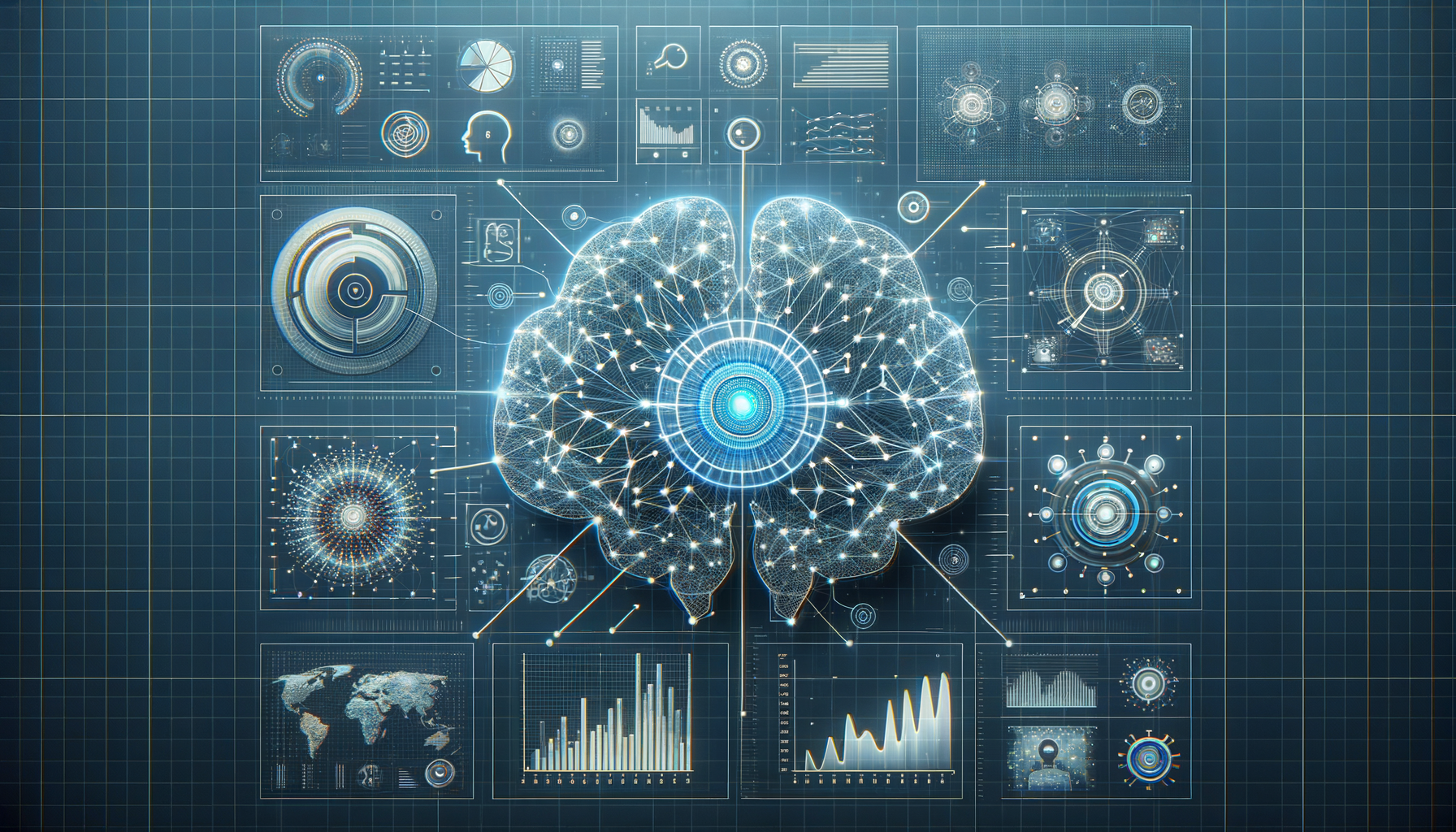
Examining real-world case studies can provide valuable insights into how businesses have successfully implemented predictive analytics and AI to enhance their marketing strategies. For instance, a leading e-commerce retailer utilized predictive analytics to analyze customer purchase history and browsing behavior. By identifying patterns in customer preferences, they were able to create personalized product recommendations that significantly increased conversion rates.
This targeted approach not only improved sales but also enhanced customer satisfaction as shoppers felt more connected to the brand. Another notable example comes from the travel industry, where a major airline employed predictive analytics to forecast demand for flights based on historical booking data and external factors such as holidays and events. By accurately predicting peak travel times, the airline was able to optimize pricing strategies and adjust flight schedules accordingly.
This proactive approach not only maximized revenue but also improved customer experiences by ensuring that flights were available when customers needed them most.
Challenges and Limitations of Predictive Analytics and AI in Forecasting Customer Behavior
While predictive analytics and AI offer significant advantages in forecasting customer behavior, they are not without challenges and limitations. One major hurdle is the quality of data used for analysis. Inaccurate or incomplete data can lead to flawed predictions, ultimately undermining the effectiveness of your marketing strategies.
As you implement these technologies, it’s crucial to prioritize data quality by regularly cleaning and updating your datasets. Additionally, there is the challenge of interpreting the results generated by predictive models. While AI can provide valuable insights, understanding the underlying reasons behind these predictions requires human expertise.
It’s essential to have skilled analysts who can interpret the data accurately and translate it into actionable strategies. Furthermore, ethical considerations surrounding data privacy must be taken into account when utilizing predictive analytics and AI. Ensuring compliance with regulations such as GDPR is vital for maintaining customer trust.
Future Trends in Predictive Analytics and AI for Customer Behavior Forecasting
As technology continues to evolve, so too will the landscape of predictive analytics and AI in forecasting customer behavior. One emerging trend is the increasing use of real-time data analysis. With advancements in technology allowing for faster data processing, businesses will be able to make immediate decisions based on current customer behavior rather than relying solely on historical data.
This shift will enable more agile marketing strategies that respond quickly to changing consumer preferences. Another trend is the integration of advanced machine learning techniques that enhance predictive accuracy. As algorithms become more sophisticated, they will be able to analyze complex datasets more effectively, leading to deeper insights into customer behavior.
Additionally, the rise of conversational AI will transform how businesses interact with customers, providing personalized experiences through chatbots and virtual assistants that understand individual preferences. In conclusion, embracing predictive analytics and AI is essential for businesses looking to stay ahead in today’s competitive market. By understanding customer behavior, leveraging these technologies effectively, and staying attuned to emerging trends, you can create marketing strategies that resonate with your audience while driving growth and profitability.
The future holds immense potential for those willing to invest in these innovative approaches—so take the leap and unlock new opportunities for success.