

In the rapidly evolving landscape of business, the ability to understand and anticipate market trends has become a crucial determinant of success. As I delve into the world of AI-powered market insights, I find myself captivated by the transformative potential of artificial intelligence in shaping how businesses operate. The integration of AI into market analysis not only enhances the accuracy of predictions but also provides a depth of understanding that was previously unattainable.
With vast amounts of data generated every second, traditional methods of market analysis often fall short, leading to missed opportunities and misguided strategies. This is where AI steps in, offering a sophisticated approach to deciphering complex market dynamics. As I explore this topic further, I realize that AI-powered insights are not merely a trend; they represent a fundamental shift in how we approach market research and strategy formulation.
By leveraging machine learning algorithms and advanced analytics, businesses can now gain real-time insights into consumer behavior, preferences, and emerging trends. This capability allows me to make informed decisions that are grounded in data rather than intuition alone. The implications of this shift are profound, as companies that harness the power of AI can position themselves ahead of their competitors, adapting swiftly to changes in the marketplace.
Key Takeaways
- AI-powered market insights provide valuable data and analysis for businesses to make informed decisions in a rapidly changing market.
- Understanding market shifts is crucial for businesses to stay competitive and adapt to changing consumer behavior and industry trends.
- AI plays a key role in predicting market shifts by analyzing large volumes of data and identifying patterns and trends that may not be apparent to human analysts.
- The benefits of using AI-powered insights include more accurate predictions, faster decision-making, and the ability to identify opportunities and risks in the market.
- Challenges and limitations of AI-powered market predictions include the need for high-quality data, potential biases in algorithms, and the inability to account for unpredictable events.
Understanding Market Shifts
To effectively navigate the complexities of market shifts, I must first grasp what these shifts entail. Market shifts refer to significant changes in consumer behavior, preferences, or economic conditions that can impact demand for products and services. These shifts can be driven by various factors, including technological advancements, cultural trends, economic fluctuations, and even global events.
As I reflect on recent history, I can identify numerous instances where sudden market shifts have caught businesses off guard, leading to declines in sales and market share. Understanding these shifts requires a keen awareness of the underlying forces at play. For instance, the rise of e-commerce has fundamentally altered how consumers shop, prompting traditional retailers to rethink their strategies.
Similarly, the growing emphasis on sustainability has led to a shift in consumer preferences towards eco-friendly products. By staying attuned to these changes, I can better anticipate how they will influence market dynamics and adjust my strategies accordingly. This proactive approach is essential for any business aiming to thrive in an ever-changing environment.
The Role of AI in Predicting Market Shifts
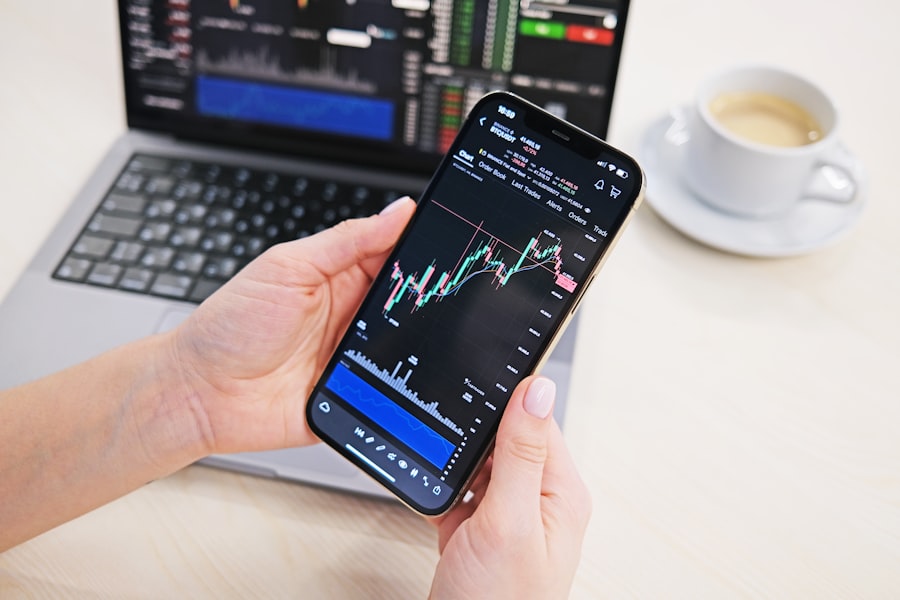
As I delve deeper into the role of AI in predicting market shifts, I am struck by its ability to analyze vast datasets with remarkable speed and accuracy. Traditional market research methods often rely on surveys and historical data, which can be time-consuming and may not capture real-time changes in consumer sentiment. In contrast, AI algorithms can process data from various sources—social media, online reviews, sales transactions—allowing me to gain insights into current trends almost instantaneously.
Moreover, AI’s predictive capabilities extend beyond mere trend identification; it can also forecast future shifts based on historical patterns and emerging signals. By employing machine learning techniques, I can train models to recognize patterns in consumer behavior and predict how these patterns may evolve over time. This predictive power is invaluable for strategic planning, enabling me to allocate resources more effectively and make informed decisions about product development and marketing strategies.
Benefits of Using AI-Powered Insights
The benefits of utilizing AI-powered insights in market analysis are manifold. First and foremost, the accuracy of predictions significantly improves when I incorporate AI into my decision-making processes. With access to real-time data and advanced analytical tools, I can identify trends that may have gone unnoticed using traditional methods.
This heightened accuracy translates into more effective marketing campaigns, optimized product offerings, and ultimately, increased profitability. Additionally, AI-powered insights allow me to personalize customer experiences on an unprecedented scale. By analyzing individual consumer behavior and preferences, I can tailor my marketing efforts to resonate with specific segments of my audience.
This level of personalization not only enhances customer satisfaction but also fosters brand loyalty—a critical factor in today’s competitive marketplace. As I embrace these benefits, I find myself better equipped to meet the evolving needs of my customers while driving business growth.
Challenges and Limitations of AI-Powered Market Predictions
Despite the numerous advantages that AI-powered market predictions offer, I must also acknowledge the challenges and limitations inherent in this approach. One significant concern is the quality of data used for analysis. If the data is biased or incomplete, the insights generated may lead to flawed conclusions.
As I navigate this landscape, I recognize the importance of ensuring that the data I rely on is accurate and representative of the target market. Another challenge lies in the interpretability of AI models. While machine learning algorithms can produce highly accurate predictions, they often operate as “black boxes,” making it difficult for me to understand how specific conclusions were reached.
This lack of transparency can hinder my ability to communicate findings effectively to stakeholders or make necessary adjustments based on insights. As I work with AI tools, I must remain vigilant about these limitations and strive for a balanced approach that combines AI-driven insights with human intuition and expertise.
Implementing AI-Powered Insights in Market Strategies

Implementing AI-powered insights into my market strategies requires a thoughtful approach that integrates technology with existing processes. First and foremost, I need to invest in the right tools and technologies that align with my business objectives. This may involve selecting appropriate software solutions that offer robust analytics capabilities or partnering with data science experts who can help me harness the full potential of AI.
Once I have established the necessary infrastructure, it is crucial to foster a culture of data-driven decision-making within my organization. This means encouraging team members to embrace AI insights as part of their daily operations and providing training on how to interpret and act upon these insights effectively. By creating an environment where data is valued and utilized strategically, I can ensure that AI-powered insights become an integral part of my market strategies.
Case Studies of Successful Market Predictions Using AI
As I reflect on successful case studies of businesses that have effectively utilized AI for market predictions, several examples come to mind that illustrate the transformative power of this technology. One notable case is that of a major retail chain that implemented AI-driven analytics to optimize its inventory management system. By analyzing historical sales data alongside real-time consumer behavior patterns, the company was able to predict demand fluctuations with remarkable accuracy.
This allowed them to reduce excess inventory costs while ensuring that popular products were always in stock—ultimately leading to increased sales and customer satisfaction. Another compelling example is found in the financial services sector, where a leading investment firm employed AI algorithms to analyze market trends and predict stock performance. By processing vast amounts of financial data and news articles, the firm was able to identify emerging investment opportunities ahead of its competitors.
Future Trends in AI-Powered Market Predictions
Looking ahead, I am excited about the future trends shaping AI-powered market predictions. One significant development is the increasing integration of natural language processing (NLP) capabilities into market analysis tools. As NLP technology continues to advance, I anticipate being able to extract valuable insights from unstructured data sources such as social media conversations and customer reviews more effectively than ever before.
Additionally, as businesses increasingly prioritize ethical considerations in their operations, I foresee a growing emphasis on responsible AI practices within market predictions. This includes ensuring transparency in algorithms and addressing biases in data collection processes. By prioritizing ethical considerations alongside technological advancements, I believe we can create a more equitable landscape for all stakeholders involved.
In conclusion, as I navigate the world of AI-powered market insights, I am continually inspired by its potential to revolutionize how we understand and respond to market shifts.
The journey ahead is undoubtedly filled with opportunities for growth and innovation as we harness the power of AI to drive informed decision-making and strategic planning.
In the rapidly evolving world of finance, leveraging technology to anticipate market trends is becoming increasingly crucial. The article “Predicting Market Shifts With AI-Powered Insights” delves into how artificial intelligence can be harnessed to forecast changes in the market landscape, providing businesses with a competitive edge. For those interested in further exploring how technology can enhance business strategies, the article How Webinars and Automation Can Build Your Mailing List and Scale Your Business offers valuable insights into using automation tools to grow and sustain a successful business. Both pieces underscore the importance of integrating advanced technologies into business operations to stay ahead in today’s dynamic market.