

In today’s digital landscape, hyper-personalization has emerged as a powerful strategy that goes beyond traditional personalization methods. You may have noticed that brands are increasingly tailoring their offerings to meet your specific needs and preferences. This approach leverages data and advanced technologies to create a unique experience for each individual customer.
Unlike basic personalization, which might involve addressing you by name or recommending products based on past purchases, hyper-personalization delves deeper. It considers your behavior, preferences, and even real-time interactions to deliver content and experiences that resonate with you on a personal level. Hyper-personalization is not just a trend; it is a necessity in an era where consumers are inundated with choices.
You are likely to engage more with brands that understand your preferences and anticipate your needs. This level of customization fosters a sense of connection and loyalty, making you feel valued as a customer. As businesses strive to stand out in a crowded marketplace, hyper-personalization offers a competitive edge by creating meaningful interactions that can lead to increased customer satisfaction and retention.
Key Takeaways
- Hyper-personalization uses AI to tailor marketing efforts to individual customer preferences and behaviors.
- AI enables advanced data collection, analysis, and customer segmentation for more precise targeting.
- Content personalization and predictive analytics powered by AI enhance customer engagement and conversion rates.
- Automated campaign management tools streamline marketing processes and improve efficiency.
- The future of hyper-personalization lies in increasingly sophisticated AI technologies driving real-time, dynamic customer experiences.
The Role of AI in Hyper-personalization
Artificial Intelligence (AI) plays a pivotal role in enabling hyper-personalization. You might wonder how AI can transform the way brands interact with you. At its core, AI processes vast amounts of data at lightning speed, allowing businesses to analyze your behavior and preferences in real time.
This capability enables brands to deliver personalized experiences that are not only relevant but also timely. For instance, when you visit a website, AI algorithms can assess your browsing history and suggest products or content that align with your interests, enhancing your overall experience. Moreover, AI’s ability to learn from interactions means that the more you engage with a brand, the better it becomes at understanding your preferences.
This continuous learning process allows for dynamic personalization, where recommendations evolve based on your changing tastes and behaviors. As a result, you receive a tailored experience that feels intuitive and seamless. The integration of AI into hyper-personalization strategies empowers brands to create deeper connections with you, ultimately leading to increased engagement and loyalty.
AI Tools for Data Collection and Analysis
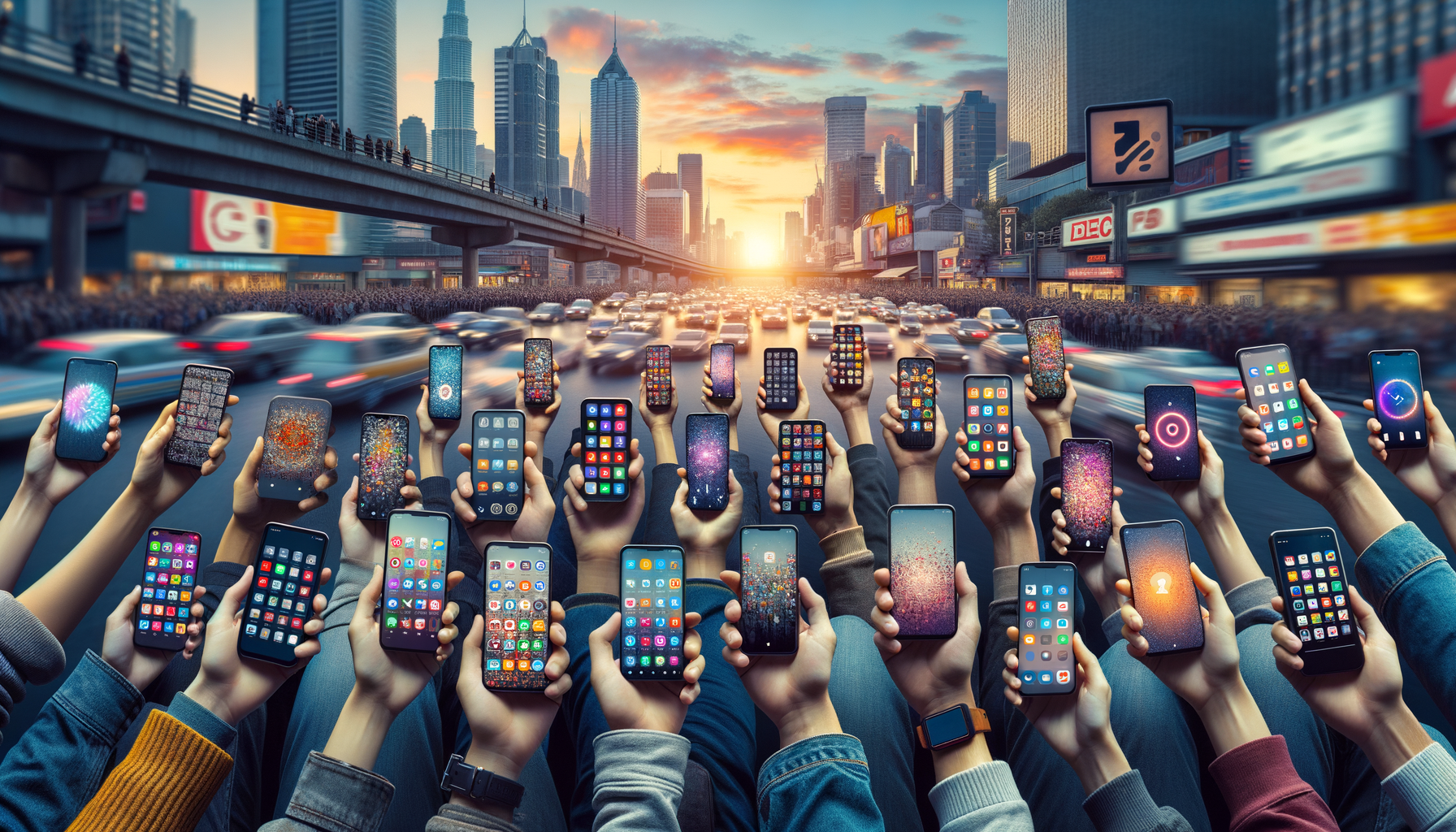
To effectively implement hyper-personalization, businesses must first gather and analyze data about you. AI tools designed for data collection and analysis play a crucial role in this process. These tools can aggregate data from various sources, including social media interactions, website visits, and purchase history.
By harnessing this information, brands can gain valuable insights into your preferences and behaviors. For example, an e-commerce platform might use AI to track your browsing patterns and identify which products you frequently view or add to your cart. Once the data is collected, AI algorithms analyze it to uncover trends and patterns that inform personalization strategies.
You may not realize it, but every click you make contributes to a larger picture that helps brands understand what resonates with you. This analysis allows businesses to segment their audience effectively and tailor their marketing efforts accordingly. By leveraging AI tools for data collection and analysis, brands can create a more personalized experience that speaks directly to your interests and needs.
AI Tools for Customer Segmentation
Customer segmentation is a critical component of hyper-personalization, and AI tools excel in this area. These tools categorize you into specific groups based on shared characteristics, behaviors, or preferences. For instance, if you frequently purchase fitness-related products, an AI tool might classify you as part of a health-conscious segment.
This segmentation enables brands to tailor their messaging and offerings to resonate with each group effectively. By utilizing AI for customer segmentation, businesses can create targeted marketing campaigns that speak directly to your interests. Instead of receiving generic advertisements, you are more likely to encounter promotions that align with your lifestyle and preferences.
This targeted approach not only enhances your experience but also increases the likelihood of conversion for the brand. As you engage with personalized content that reflects your unique identity, the connection between you and the brand deepens, fostering loyalty and trust.
AI Tools for Content Personalization
Content personalization is another vital aspect of hyper-personalization, and AI tools are at the forefront of this innovation. These tools analyze your interactions with various types of content—be it articles, videos, or social media posts—to determine what resonates with you the most. For example, if you consistently engage with travel-related content, an AI tool can curate articles or videos that align with your interests in travel destinations or tips.
The beauty of AI-driven content personalization lies in its ability to adapt in real time. As you consume content, the algorithms learn from your behavior and refine their recommendations accordingly. This means that the more you interact with personalized content, the more tailored it becomes over time.
You may find yourself discovering new topics or products that genuinely interest you, enhancing your overall experience with the brand. By leveraging AI tools for content personalization, businesses can create a dynamic relationship with you that evolves as your preferences change.
AI Tools for Predictive Analytics

Predictive analytics is a game-changer in the realm of hyper-personalization, allowing brands to anticipate your needs before you even express them. AI tools equipped with predictive analytics capabilities analyze historical data to forecast future behaviors and preferences. For instance, if you’ve consistently purchased winter clothing during the holiday season in previous years, an AI tool can predict that you’ll likely do so again this year.
This proactive approach enables brands to deliver timely offers or recommendations tailored specifically to you. Imagine receiving an email suggesting winter apparel just as the season approaches—this level of anticipation enhances your experience and makes you feel understood as a customer. By utilizing predictive analytics powered by AI, businesses can create personalized marketing strategies that resonate with you on a deeper level, ultimately driving engagement and conversions.
AI Tools for Automated Campaign Management
Managing marketing campaigns can be a complex task, but AI tools for automated campaign management simplify this process significantly. These tools streamline the execution of personalized marketing campaigns by automating various tasks such as email distribution, social media posting, and performance tracking. For instance, if you’ve shown interest in a particular product category, an AI tool can automatically send you targeted emails featuring promotions or new arrivals in that category.
Automation not only saves time for marketers but also ensures that you receive timely and relevant communications without delay. You benefit from receiving personalized messages at the right moment—when you’re most likely to engage with them. Additionally, these tools continuously monitor campaign performance and make real-time adjustments based on engagement metrics.
This adaptability ensures that the content you receive remains relevant and engaging throughout your customer journey.
The Future of Hyper-personalization with AI
As technology continues to evolve, the future of hyper-personalization powered by AI holds immense potential. You can expect even more sophisticated algorithms capable of analyzing complex data sets to deliver highly tailored experiences. With advancements in machine learning and natural language processing, brands will be able to understand not just what you want but also why you want it.
Moreover, as privacy concerns grow, businesses will need to navigate the delicate balance between personalization and data security. The future will likely see an emphasis on transparent data practices that empower you to control how your information is used while still benefiting from personalized experiences. As brands invest in ethical AI practices, they will foster trust and loyalty among consumers like yourself.
In conclusion, hyper-personalization represents a significant shift in how brands interact with customers like you. With the aid of AI tools for data collection, analysis, segmentation, content personalization, predictive analytics, and automated campaign management, businesses can create meaningful experiences tailored specifically to your needs and preferences. As technology continues to advance, the future of hyper-personalization promises even greater levels of customization while prioritizing ethical practices that respect your privacy.
Embracing this evolution will undoubtedly enhance your interactions with brands and redefine what it means to be a valued customer in the digital age.