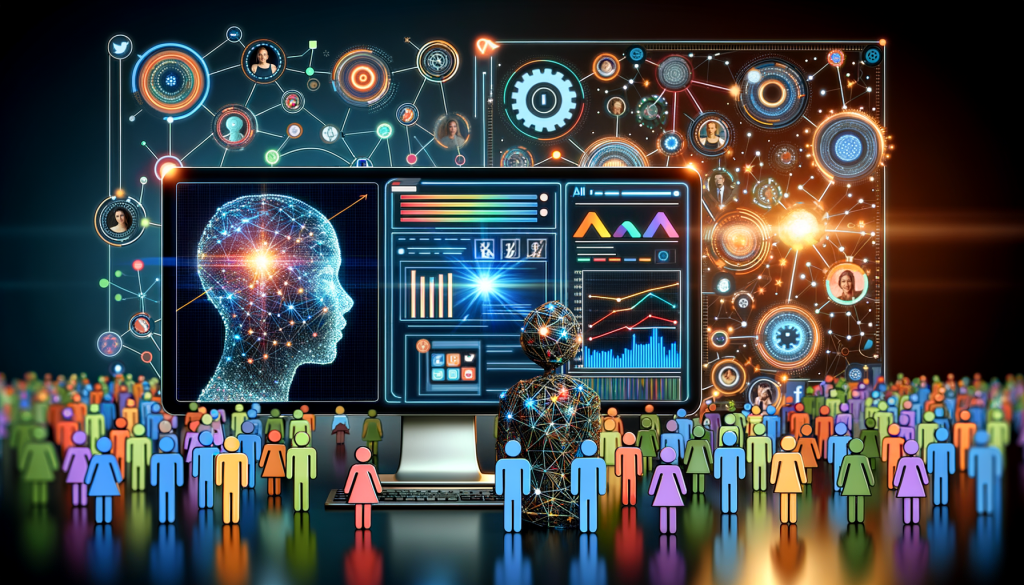

In the rapidly evolving landscape of digital marketing, the role of artificial intelligence (AI) in influencer discovery has become increasingly significant. As you navigate this complex terrain, it’s essential to grasp the foundational concepts of AI and how they apply to identifying the right influencers for your brand. AI encompasses a range of technologies, including machine learning, natural language processing, and data analytics, all of which can streamline the influencer discovery process.
By leveraging these technologies, you can sift through vast amounts of data to identify potential influencers who align with your brand values and target audience. The traditional methods of influencer discovery often involve manual research, which can be time-consuming and inefficient. However, with AI, you can automate this process, allowing you to focus on strategic decision-making rather than getting bogged down in data collection.
AI algorithms can analyze social media platforms, blogs, and other online content to identify influencers based on various criteria such as engagement rates, audience demographics, and content relevance. This not only saves you time but also enhances the accuracy of your influencer selection, ensuring that you partner with individuals who can genuinely resonate with your audience.
Key Takeaways
- AI enhances influencer discovery by analyzing vast data for better audience targeting.
- Audience analysis through AI helps identify relevant demographics and engagement patterns.
- AI tools streamline influencer identification by matching brand goals with influencer profiles.
- Campaign matching with AI optimizes partnerships for higher ROI and campaign effectiveness.
- Continuous measurement and adaptation using AI improve influencer marketing success and address challenges.
Leveraging AI for Audience Analysis
Once you have a grasp on how AI can aid in influencer discovery, the next step is to leverage it for audience analysis. Understanding your target audience is crucial for any marketing campaign, and AI can provide deep insights into their preferences, behaviors, and demographics. By utilizing AI-driven analytics tools, you can gather data from various sources, including social media interactions, website traffic, and customer feedback.
This comprehensive analysis allows you to create detailed audience profiles that inform your influencer selection process. Moreover, AI can help you identify trends within your audience that may not be immediately apparent through traditional analysis methods. For instance, machine learning algorithms can detect shifts in consumer behavior or emerging interests over time.
By staying ahead of these trends, you can tailor your influencer marketing strategies to align with your audience’s evolving preferences. This proactive approach not only enhances your campaign’s effectiveness but also fosters a deeper connection between your brand and its audience.
Utilizing AI for Influencer Identification

With a solid understanding of your audience in place, you can now utilize AI for influencer identification. The process begins by defining the specific criteria that matter most to your brand—this could include factors such as niche relevance, follower count, engagement rates, and authenticity. AI tools can then analyze vast datasets to identify influencers who meet these criteria, providing you with a curated list of potential partners.
One of the key advantages of using AI for influencer identification is its ability to assess an influencer’s authenticity and engagement quality. Traditional metrics like follower count can be misleading; an influencer with millions of followers may not necessarily have a highly engaged audience. AI algorithms can evaluate engagement patterns and detect signs of fake followers or bots, ensuring that you collaborate with influencers who have genuine connections with their audiences.
This level of scrutiny is invaluable in building effective partnerships that yield tangible results.
Implementing AI for Campaign Matching
Once you’ve identified suitable influencers, the next step is implementing AI for campaign matching. This involves aligning your marketing objectives with the right influencers to create impactful campaigns. AI can analyze historical campaign data to determine which types of collaborations have been most successful in the past.
By examining factors such as content style, messaging tone, and audience engagement levels, AI can recommend optimal influencer partnerships for your upcoming campaigns. Additionally, AI can facilitate real-time adjustments during a campaign. By continuously monitoring performance metrics such as reach, engagement rates, and conversion rates, AI tools can provide insights that allow you to pivot your strategy if necessary.
This adaptability is crucial in today’s fast-paced digital environment, where consumer preferences can shift rapidly. With AI-driven campaign matching, you can ensure that your marketing efforts remain relevant and effective throughout the duration of your campaign.
Best Practices for AI-Driven Influencer Discovery
To maximize the benefits of AI-driven influencer discovery, it’s essential to follow best practices that enhance the effectiveness of your strategies. First and foremost, ensure that you define clear objectives for your influencer marketing campaigns. Whether you’re aiming to increase brand awareness, drive sales, or enhance customer loyalty, having specific goals will guide your influencer selection process and help you measure success.
Another best practice is to maintain a balance between automation and human oversight. While AI can significantly streamline the discovery process, human intuition and creativity are irreplaceable when it comes to building authentic relationships with influencers. Use AI as a tool to inform your decisions but don’t rely solely on it; engage with potential influencers personally to gauge their fit with your brand values and messaging.
Measuring Success with AI-Enabled Campaign Matching

Measuring the success of your influencer marketing campaigns is critical for understanding their impact and refining future strategies. With AI-enabled campaign matching, you have access to a wealth of data that can help you evaluate performance comprehensively. Key performance indicators (KPIs) such as engagement rates, reach, conversion rates, and return on investment (ROI) should be tracked meticulously.
AI tools can automate the collection and analysis of these metrics, providing real-time insights into how well your campaigns are performing. For instance, if an influencer’s content is generating high engagement but low conversions, this could indicate a misalignment between the influencer’s audience and your target market. By analyzing these patterns through an AI lens, you can make informed decisions about future collaborations and optimize your overall marketing strategy.
Overcoming Challenges in AI-Powered Influencer Marketing
While the benefits of AI in influencer marketing are substantial, there are also challenges that you may encounter along the way. One significant challenge is data privacy concerns; as regulations around data usage become stricter, ensuring compliance while leveraging consumer data for insights is paramount. You must navigate these regulations carefully to avoid potential pitfalls that could harm your brand’s reputation.
Another challenge lies in the potential for algorithmic bias. If the data used to train AI models is not representative or contains biases, it could lead to skewed results in influencer identification or audience analysis. To mitigate this risk, it’s essential to continuously evaluate and refine your data sources and algorithms.
Regular audits can help ensure that your AI tools are functioning optimally and producing fair outcomes.
Future Trends in AI for Influencer Discovery and Campaign Matching
As technology continues to advance at a rapid pace, the future of AI in influencer discovery and campaign matching holds exciting possibilities. One emerging trend is the integration of augmented reality (AR) and virtual reality (VR) into influencer marketing campaigns. As these technologies become more mainstream, influencers may leverage AR/VR experiences to create immersive content that engages audiences on a deeper level.
Additionally, advancements in natural language processing will enhance AI’s ability to understand context and sentiment in social media conversations. This means that future AI tools will be even better equipped to identify influencers who not only align with your brand but also resonate with current cultural conversations. As you look ahead, staying informed about these trends will be crucial for maintaining a competitive edge in the ever-evolving landscape of influencer marketing.
In conclusion, embracing AI for influencer discovery offers a transformative approach to modern marketing strategies. By understanding its capabilities and implementing best practices, you can enhance your campaigns’ effectiveness while building authentic relationships with influencers who truly resonate with your audience. As you navigate this dynamic field, remember that the fusion of technology and human creativity will be key to unlocking the full potential of influencer marketing in the years to come.