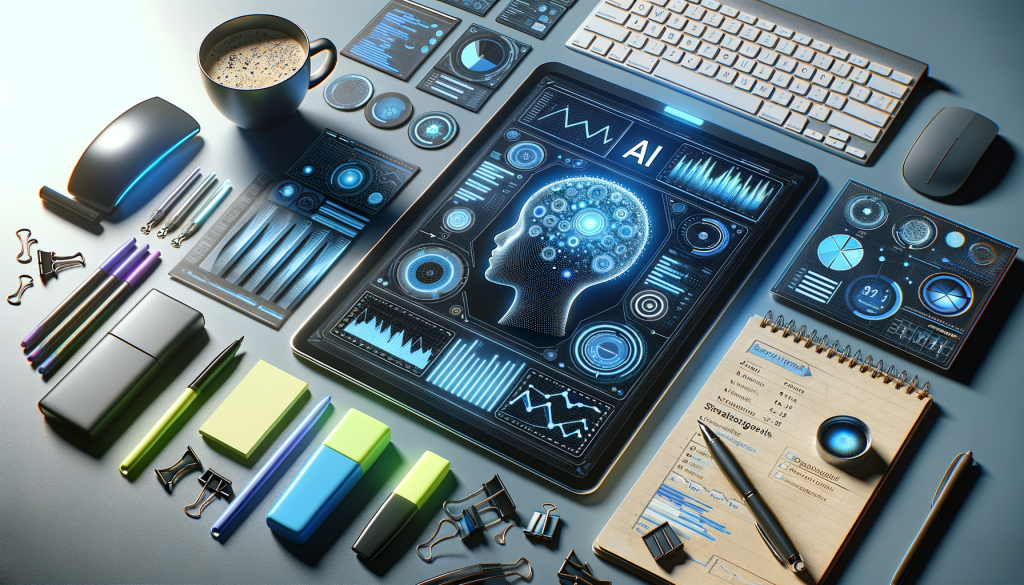

Artificial intelligence (AI) has become a critical tool in email marketing. AI refers to computer systems designed to simulate human intelligence processes. In email marketing applications, AI analyzes large datasets, identifies patterns, and generates predictions that improve campaign performance.
AI enables marketers to create more targeted and relevant content, resulting in increased engagement rates and conversion rates. The adoption of AI in email marketing represents a significant change in campaign strategy and execution. AI automates routine tasks, freeing marketers to concentrate on strategic planning and decision-making.
AI algorithms examine customer behavior and preferences, allowing marketers to customize messaging for specific audience segments. This personalization is essential in competitive markets where consumers receive numerous generic emails that lack relevance. Understanding AI capabilities allows marketers to develop more effective email marketing strategies.
Key Takeaways
- AI enhances email marketing by enabling deeper understanding and smarter strategies.
- Personalization and segmentation powered by AI improve engagement and relevance.
- AI optimizes send times and automates responses to increase efficiency.
- A/B testing and performance analysis with AI lead to data-driven improvements.
- Seamless integration of AI tools into platforms streamlines email marketing workflows.
Personalizing Email Content with AI
One of the most exciting applications of AI in email marketing is its ability to personalize content at an unprecedented scale. I have discovered that by utilizing AI-driven tools, I can analyze customer data to understand individual preferences and behaviors. This allows me to craft personalized messages that resonate with each recipient.
For example, I can segment my audience based on their past purchases, browsing history, or even their engagement with previous emails. This level of personalization not only enhances the customer experience but also increases the likelihood of conversion. Moreover, AI can help me generate dynamic content that changes based on the recipient’s profile.
This means that I can send emails that feature products or services tailored specifically to each individual. By using machine learning algorithms, I can predict what products a customer is likely to be interested in based on their previous interactions with my brand. This not only saves me time in content creation but also ensures that my emails are relevant and engaging.
As a result, I have seen a significant increase in open rates and click-through rates, demonstrating the power of personalized email content driven by AI.
Optimizing Email Send Times with AI
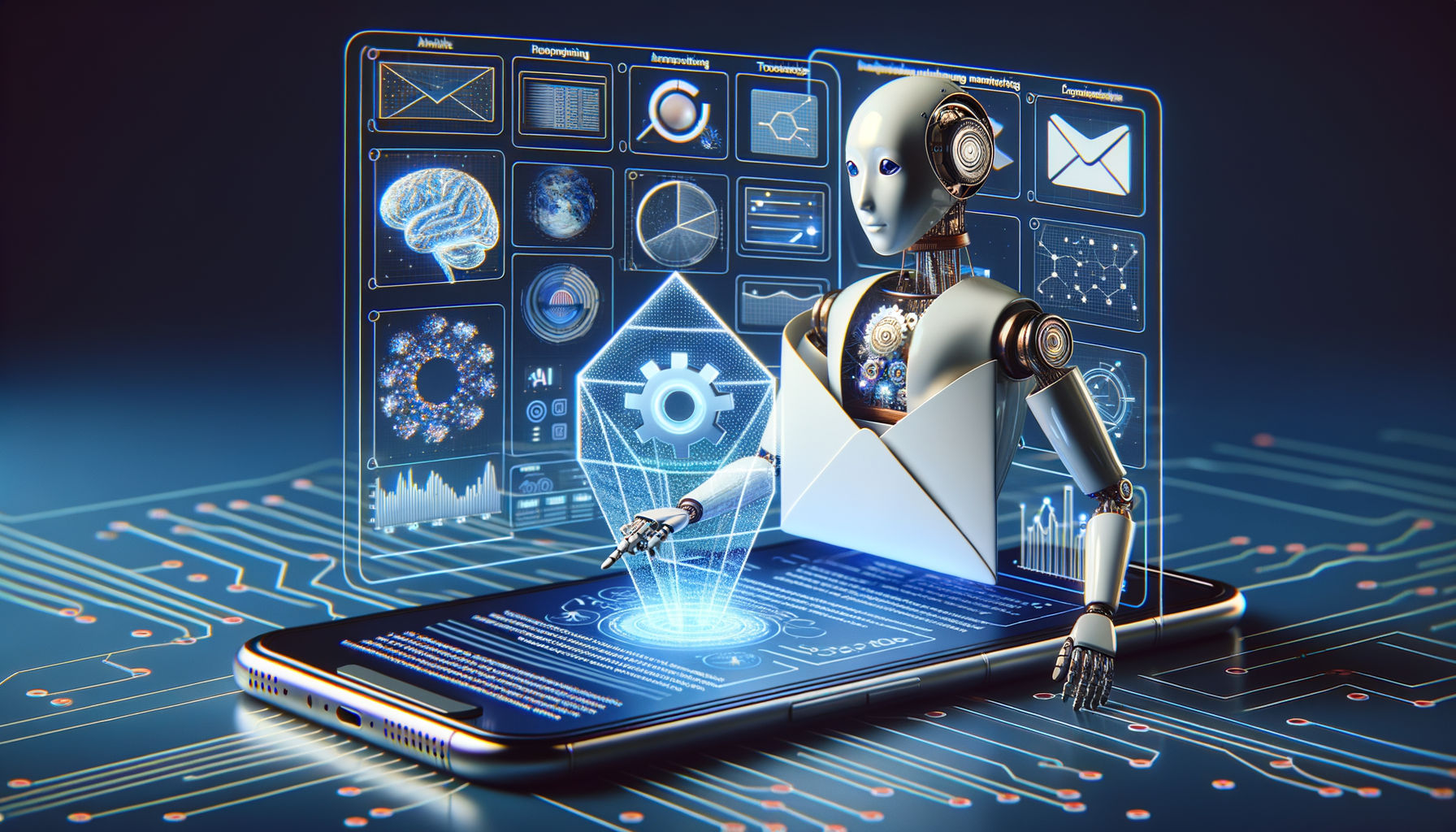
Timing is everything in email marketing, and I have learned that sending my emails at the right moment can make a substantial difference in their effectiveness. With the help of AI, I can analyze historical data to determine the optimal send times for my audience. By examining factors such as time zones, past engagement patterns, and even seasonal trends, AI algorithms can suggest the best times to reach my subscribers.
This data-driven approach allows me to maximize the chances of my emails being opened and read. In addition to optimizing send times based on historical data, AI can also adapt in real-time. For instance, if I notice a sudden spike in engagement from a particular segment of my audience during a specific time frame, AI can adjust my sending schedule accordingly.
This flexibility ensures that I am always reaching my audience when they are most likely to engage with my content. By leveraging AI for send time optimization, I have experienced improved open rates and overall campaign performance.
Segmenting Email Lists with AI
Effective segmentation is a cornerstone of successful email marketing, and AI has revolutionized how I approach this task. Traditionally, segmenting email lists required manual analysis and categorization based on broad criteria. However, with AI, I can dive deeper into customer data and create highly specific segments based on various attributes such as demographics, purchase history, and engagement levels.
This granular approach allows me to tailor my messaging even further and ensure that each segment receives content that resonates with them. AI also enables me to continuously refine my segments over time. As customer behaviors change and new data becomes available, AI algorithms can automatically adjust segments to reflect these shifts.
This dynamic segmentation ensures that my email campaigns remain relevant and effective. For example, if a customer who previously engaged with promotional emails suddenly starts showing interest in educational content, AI can flag this change and prompt me to adjust my messaging accordingly. By utilizing AI for segmentation, I have been able to create more targeted campaigns that drive higher engagement and conversion rates.
A/B Testing Email Subject Lines with AI
Crafting compelling subject lines is crucial for capturing the attention of my audience, and A/B testing has long been a standard practice in email marketing. However, with the integration of AI, I have discovered a more efficient way to conduct these tests. Instead of manually creating variations and analyzing results over time, AI can quickly generate multiple subject line options based on historical data and predictive analytics.
This not only saves me time but also increases the likelihood of finding a winning subject line. AI-driven A/B testing goes beyond simple variations; it can analyze which subject lines resonate best with different segments of my audience. By examining factors such as open rates and engagement levels across various demographics, AI can provide insights into what works best for each group.
This allows me to tailor my subject lines more effectively and optimize my campaigns for maximum impact. As a result, I have seen significant improvements in open rates and overall campaign performance by leveraging AI for A/B testing.
Automating Email Responses with AI

In today’s fast-paced digital landscape, timely communication is essential for maintaining customer relationships. I have found that automating email responses with AI not only saves me time but also enhances the customer experience. By implementing AI-driven chatbots and automated response systems, I can ensure that my subscribers receive prompt replies to their inquiries or feedback.
This level of responsiveness fosters trust and encourages ongoing engagement with my brand. Moreover, AI can analyze incoming emails to categorize them based on urgency or topic. This allows me to prioritize responses effectively and ensure that critical issues are addressed promptly.
For instance, if a customer reaches out with a question about an order status, AI can flag this inquiry for immediate attention while automatically responding to less urgent requests with relevant information. By automating email responses with AI, I have improved my efficiency while providing exceptional customer service.
Analyzing Email Performance with AI
Understanding the performance of my email campaigns is vital for continuous improvement, and AI has transformed how I approach this analysis. With advanced analytics tools powered by AI, I can gain deeper insights into key metrics such as open rates, click-through rates, conversion rates, and overall engagement levels. These insights allow me to identify trends and patterns that inform future campaigns.
AI also enables me to conduct predictive analytics, helping me forecast future performance based on historical data. For example, if I notice a consistent increase in engagement during specific times of the year or after particular types of content are sent out, I can use this information to plan future campaigns more effectively. By leveraging AI for performance analysis, I have been able to make data-driven decisions that enhance the effectiveness of my email marketing strategies.
Integrating AI into Email Marketing Platforms
As I explore the potential of AI in email marketing, integrating these advanced technologies into my existing platforms has become a priority. Many email marketing platforms now offer built-in AI features that streamline various processes, from segmentation to performance analysis. By choosing a platform that embraces AI capabilities, I can take full advantage of these tools without needing extensive technical knowledge.
The integration process is often seamless; many platforms provide user-friendly interfaces that allow me to implement AI-driven features easily. For instance, I can set up automated workflows that utilize machine learning algorithms to optimize send times or personalize content based on user behavior. This integration not only enhances my efficiency but also empowers me to create more effective campaigns that resonate with my audience.
As I continue to embrace AI in my email marketing efforts, I am excited about the possibilities it presents for driving engagement and achieving better results. In conclusion, the integration of artificial intelligence into email marketing has transformed how I approach my campaigns. From personalizing content and optimizing send times to automating responses and analyzing performance metrics, AI has become an invaluable asset in my marketing toolkit.
As technology continues to evolve, I look forward to exploring new ways to leverage AI for even greater success in my email marketing endeavors.
For those looking to enhance their email marketing strategies with AI, a great resource is the article on the importance of understanding your audience. This article provides insights into how AI can help segment your email lists more effectively, ensuring that your campaigns resonate with the right recipients. You can read more about it in the related article on Bill Sim Blog.