

As I embark on the journey of selecting a payment processor for my business, the first step is to gain a clear understanding of my specific needs. Each business is unique, and what works for one may not necessarily be suitable for another. I take the time to assess the nature of my business, the volume of transactions I anticipate, and the types of payments I wish to accept.
For instance, if I run an e-commerce store, I need a processor that can handle online transactions seamlessly. Conversely, if I operate a brick-and-mortar shop, I might prioritize a solution that offers point-of-sale (POS) capabilities. Moreover, I consider my target audience and their preferred payment methods.
In today’s digital age, customers expect flexibility; therefore, I must ensure that my chosen payment processor accommodates various options such as credit cards, debit cards, digital wallets, and even cryptocurrencies. By taking these factors into account, I can tailor my payment processing solution to align with my business model and customer expectations, ultimately enhancing the overall customer experience.
Key Takeaways
- Understanding your business needs is crucial before choosing a payment processor
- Research available payment processors to find the best fit for your business
- Compare fees and rates to ensure you are getting the best value for your money
- Review security and fraud protection measures offered by different payment processors
- Examine integration and compatibility with your existing systems before making a decision
- Evaluate customer support options to ensure you will receive assistance when needed
- Consider reporting and analytics capabilities to track and analyze your payment data
- Seek recommendations and reviews from other businesses to make an informed decision
Researching Available Payment Processors
Once I have a firm grasp of my business needs, the next step is to dive into the world of payment processors. The market is saturated with options, each boasting unique features and benefits. To navigate this landscape effectively, I start by compiling a list of potential processors that cater to my industry.
I explore both well-known names and emerging players in the field, as innovation often comes from unexpected sources. In my research, I pay close attention to the specific services offered by each processor. Some may specialize in e-commerce solutions, while others might excel in mobile payments or international transactions.
I also look for processors that provide additional features such as invoicing tools or subscription billing capabilities. By broadening my search and considering various options, I can identify processors that not only meet my current needs but also have the potential to grow alongside my business.
Comparing Fees and Rates
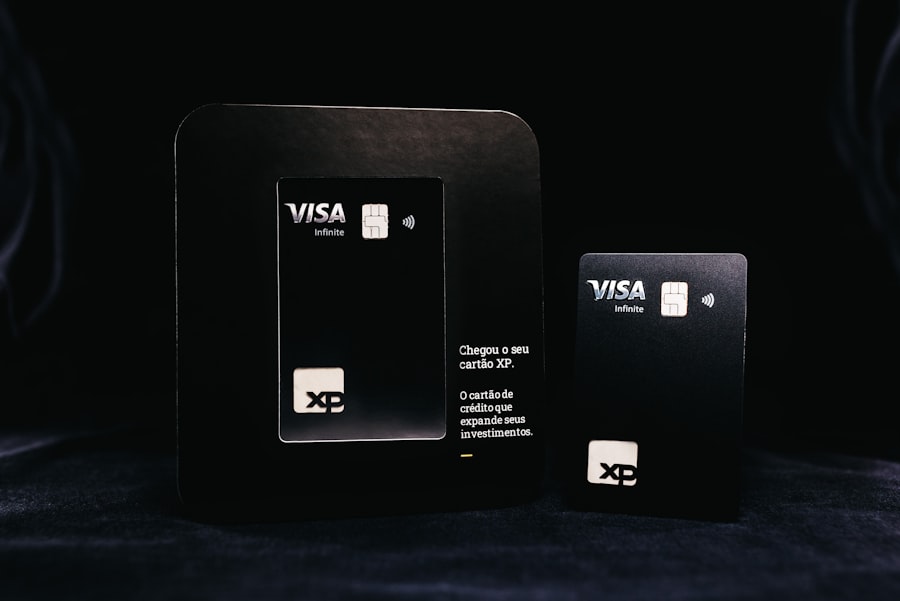
With a shortlist of potential payment processors in hand, I turn my attention to comparing their fees and rates. Understanding the cost structure is crucial, as it directly impacts my bottom line. I meticulously analyze transaction fees, monthly fees, chargeback fees, and any hidden costs that may arise.
Some processors may offer low transaction rates but impose high monthly fees, while others might have a more straightforward pricing model. I also consider the different pricing structures available, such as flat-rate pricing versus tiered pricing. Flat-rate pricing provides simplicity and predictability, which can be advantageous for budgeting purposes.
On the other hand, tiered pricing may offer lower rates for higher volumes but can be more complex to navigate. By carefully evaluating these factors, I can make an informed decision that aligns with my financial goals and operational needs.
Reviewing Security and Fraud Protection
In an era where data breaches and cyber threats are rampant, security is a paramount concern when selecting a payment processor. I take the time to review the security measures implemented by each processor on my shortlist. This includes looking for compliance with Payment Card Industry Data Security Standards (PCI DSS) and other relevant regulations.
A processor that prioritizes security not only protects my business but also instills confidence in my customers. Additionally, I delve into the fraud protection features offered by each processor. Some may provide advanced fraud detection tools or chargeback management services that can help mitigate risks associated with fraudulent transactions.
By prioritizing security and fraud protection in my selection process, I can safeguard my business against potential threats while ensuring a secure shopping experience for my customers.
Examining Integration and Compatibility
As I continue my evaluation of payment processors, integration and compatibility become critical factors to consider. I need a solution that seamlessly integrates with my existing systems, whether it’s my e-commerce platform, accounting software, or inventory management system. A smooth integration process not only saves time but also reduces the likelihood of errors that can arise from manual data entry.
I also assess whether the payment processor supports various programming languages and APIs that align with my technical capabilities. If I have an in-house development team or plan to work with third-party developers, compatibility becomes even more crucial. By ensuring that the payment processor can easily integrate with my current infrastructure, I can streamline operations and enhance overall efficiency.
Evaluating Customer Support
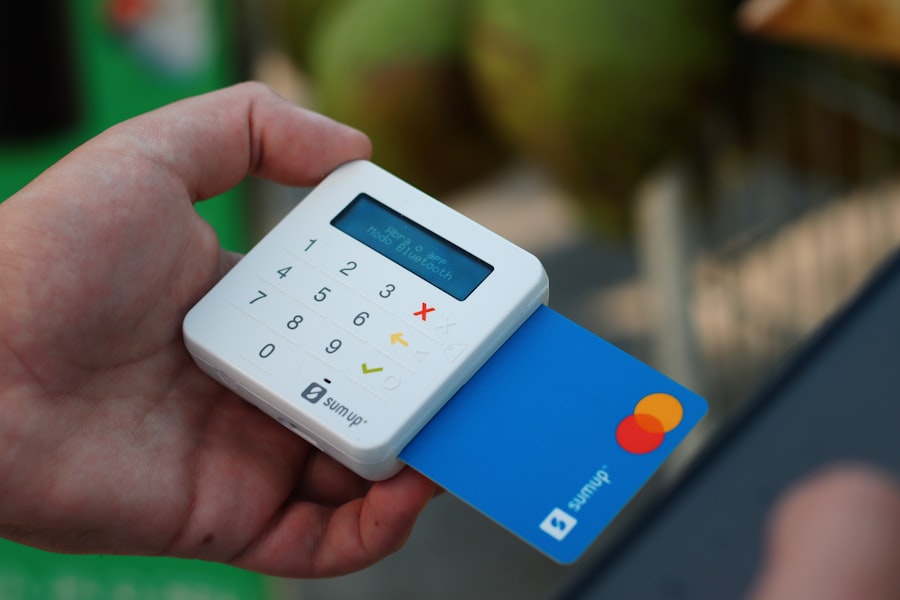
Customer support is another vital aspect of choosing a payment processor that I cannot overlook. In the fast-paced world of business, issues can arise at any moment, and having access to reliable support can make all the difference. I investigate the support channels offered by each processor—whether it’s phone support, live chat, email assistance, or a comprehensive knowledge base.
I also consider the availability of support services. A processor that offers 24/7 support is particularly appealing, as it ensures that help is always just a call or click away. Additionally, I look for reviews or testimonials from other users regarding their experiences with customer support.
A responsive and knowledgeable support team can significantly enhance my experience as a merchant and provide peace of mind knowing that assistance is readily available when needed.
Considering Reporting and Analytics
In order to make informed business decisions, having access to robust reporting and analytics tools is essential. As I evaluate potential payment processors, I pay close attention to the reporting features they offer. A good payment processor should provide detailed insights into transaction trends, customer behavior, and sales performance.
I find it particularly beneficial when processors offer customizable reports that allow me to focus on specific metrics relevant to my business goals. For instance, if I want to analyze sales by product category or track customer retention rates, having access to such data can guide my marketing strategies and inventory management decisions. By prioritizing reporting and analytics capabilities in my selection process, I can leverage data-driven insights to drive growth and improve overall performance.
Seeking Recommendations and Reviews
Finally, as I near the end of my evaluation process, seeking recommendations and reviews from other business owners becomes invaluable. Personal experiences shared by peers can provide insights that go beyond what is available on a processor’s website or marketing materials. I reach out to fellow entrepreneurs in my network or join online forums where discussions about payment processors take place.
Reading reviews on independent platforms also helps me gauge the overall satisfaction level of users with specific processors. While every business has unique needs, understanding common pain points or standout features can inform my decision-making process. By gathering recommendations and reviews from trusted sources, I can feel more confident in my choice of payment processor and ensure it aligns with both my business objectives and customer expectations.
In conclusion, selecting the right payment processor is a multifaceted process that requires careful consideration of various factors. By understanding my business needs, researching available options, comparing fees and rates, reviewing security measures, examining integration capabilities, evaluating customer support, considering reporting tools, and seeking recommendations from others in the industry, I can make an informed decision that will ultimately contribute to the success of my business.
When selecting the right payment processor for your online business, it’s essential to consider various factors that can impact your overall success. For a deeper understanding of how to effectively monetize your online presence, you might find it helpful to read our article on Level the Playing Field: The Step-by-Step Guide to Earning Online with Affiliate Marketing and Automation. This resource provides valuable insights into affiliate marketing strategies that can complement your payment processing choices.