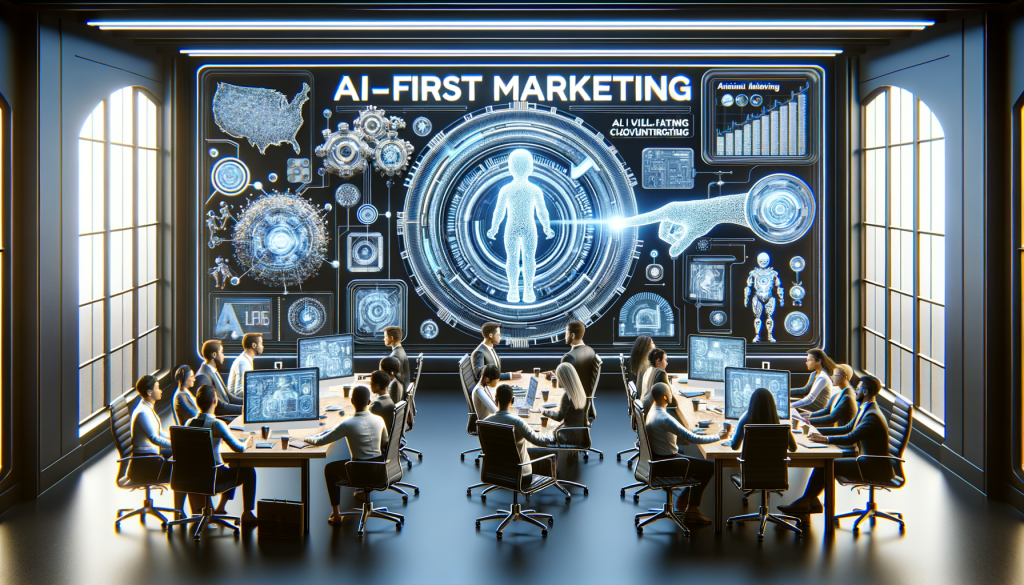

As you delve into the world of AI-first marketing culture, it’s essential to grasp the foundational concepts that underpin this transformative approach. At its core, AI-first marketing is about leveraging artificial intelligence to enhance marketing strategies, optimize customer experiences, and drive business growth. This paradigm shift requires a fundamental change in how you think about marketing, moving from traditional methods to a more data-driven, technology-centric approach.
You’ll find that embracing AI means not just adopting new tools but also rethinking your entire marketing philosophy. In an AI-first culture, data becomes the lifeblood of your marketing efforts. You’ll need to cultivate an environment where data is not only collected but also analyzed and utilized to inform decision-making.
This involves breaking down silos within your organization and fostering collaboration between teams. By integrating AI into your marketing processes, you can gain deeper insights into customer behavior, preferences, and trends, allowing you to tailor your strategies more effectively. Understanding these basics will set the stage for a successful transition into an AI-first marketing culture.
Key Takeaways
- AI-first marketing culture focuses on integrating AI technologies at the core of marketing strategies.
- Implementing AI enhances data analysis, customer insights, and marketing automation efficiency.
- Strategic planning and employee training are essential for successful AI adoption in marketing.
- Continuous measurement of AI’s impact helps optimize marketing performance and outcomes.
- Fostering innovation and adaptability is key to sustaining an AI-driven marketing environment.
Identifying the Benefits of Implementing AI in Marketing
The benefits of implementing AI in your marketing strategies are vast and varied. One of the most significant advantages is the ability to process and analyze large volumes of data at unprecedented speeds. With AI, you can uncover patterns and insights that would be nearly impossible to detect manually.
This capability allows you to make informed decisions based on real-time data, ultimately leading to more effective marketing campaigns. You’ll find that AI can help you identify target audiences more accurately, enabling you to tailor your messaging and offers to meet their specific needs. Moreover, AI enhances personalization in marketing efforts.
By utilizing machine learning algorithms, you can create highly personalized experiences for your customers. Imagine being able to deliver tailored content, product recommendations, and promotions based on individual preferences and behaviors. This level of personalization not only improves customer satisfaction but also increases conversion rates and customer loyalty.
As you explore the benefits of AI in marketing, you’ll discover that it empowers you to create more meaningful connections with your audience, driving long-term success for your brand.
Creating a Strategic Plan for Integrating AI into Marketing Efforts

To successfully integrate AI into your marketing efforts, developing a strategic plan is crucial. Start by assessing your current marketing processes and identifying areas where AI can add value. This may involve evaluating your data collection methods, customer segmentation strategies, and content creation processes.
By pinpointing specific pain points or inefficiencies, you can create a roadmap for implementing AI solutions that address these challenges. Once you’ve identified key areas for improvement, outline clear objectives for your AI integration. These objectives should align with your overall business goals and provide measurable outcomes.
For instance, you might aim to increase lead generation by a certain percentage or improve customer engagement metrics within a specified timeframe. By setting concrete goals, you’ll be able to track progress and adjust your strategies as needed. Additionally, consider involving cross-functional teams in the planning process to ensure that all perspectives are considered and that there is buy-in from various stakeholders.
Training and Educating Employees on AI Technology
As you embark on your journey toward an AI-first marketing culture, investing in training and education for your employees is paramount. Many team members may feel apprehensive about adopting new technologies, so it’s essential to provide them with the knowledge and skills they need to thrive in this evolving landscape. Start by offering workshops or training sessions that cover the fundamentals of AI and its applications in marketing.
This foundational knowledge will empower your employees to embrace AI as a valuable tool rather than a threat. In addition to initial training, consider establishing ongoing education programs that keep your team updated on the latest advancements in AI technology. Encourage a culture of continuous learning by providing access to online courses, webinars, and industry conferences.
By fostering an environment where employees feel supported in their professional development, you’ll not only enhance their skills but also cultivate a sense of ownership and enthusiasm for integrating AI into your marketing efforts.
Leveraging AI Tools for Data Analysis and Customer Insights
One of the most powerful aspects of AI in marketing is its ability to analyze data and generate actionable insights. As you explore various AI tools available in the market, consider how they can enhance your data analysis capabilities. For instance, predictive analytics tools can help you forecast customer behavior based on historical data, allowing you to make proactive decisions about your marketing strategies.
By leveraging these tools, you can gain a competitive edge by anticipating trends and responding swiftly to changes in consumer preferences. Furthermore, AI can assist in segmenting your audience more effectively. Traditional methods of segmentation often rely on broad demographics or basic behavioral data.
However, with AI-driven tools, you can create highly granular segments based on complex patterns in customer behavior. This level of insight enables you to craft targeted campaigns that resonate with specific groups within your audience. As you harness the power of AI for data analysis and customer insights, you’ll find that your marketing efforts become more precise and impactful.
Implementing AI-Powered Automation in Marketing Processes
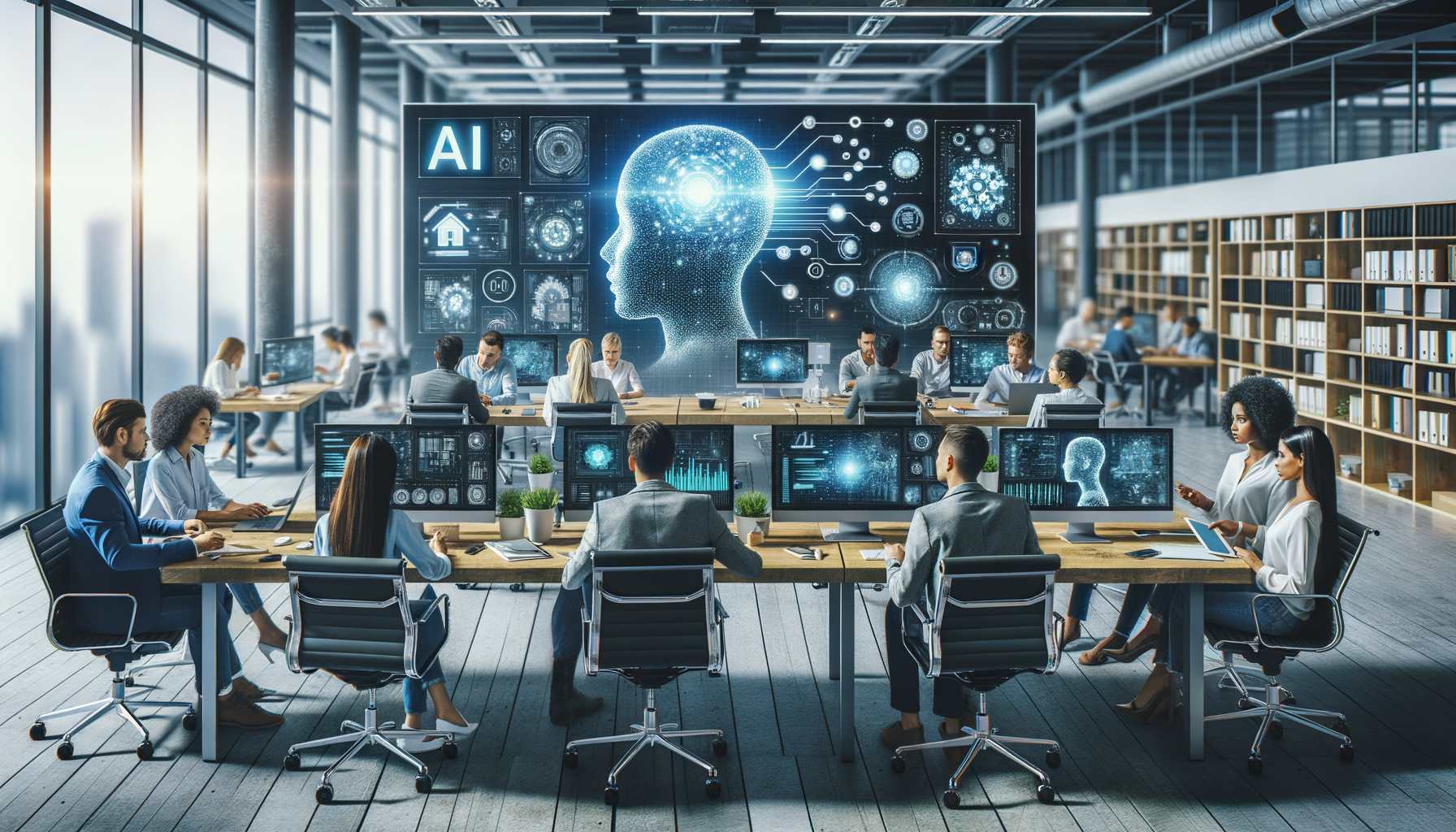
Automation is another critical component of an AI-first marketing strategy. By implementing AI-powered automation tools, you can streamline various marketing processes, freeing up valuable time for your team to focus on strategic initiatives. For example, chatbots powered by natural language processing can handle customer inquiries around the clock, providing instant responses and improving customer satisfaction.
This not only enhances the customer experience but also reduces the workload on your support team. Additionally, consider automating repetitive tasks such as email marketing campaigns or social media posting. With AI-driven automation platforms, you can schedule content distribution based on optimal engagement times or personalize email content based on user behavior.
This level of efficiency allows you to maintain consistent communication with your audience while ensuring that your messaging remains relevant and timely. As you implement AI-powered automation in your marketing processes, you’ll discover newfound agility and responsiveness in your campaigns.
Measuring and Evaluating the Impact of AI on Marketing Performance
To truly understand the effectiveness of your AI-first marketing initiatives, it’s essential to establish metrics for measuring performance. Begin by defining key performance indicators (KPIs) that align with your strategic objectives. These could include metrics such as conversion rates, customer acquisition costs, or return on investment (ROI) for specific campaigns.
By tracking these KPIs over time, you’ll gain valuable insights into how well your AI integration is performing. Moreover, consider utilizing A/B testing to evaluate the impact of different AI-driven strategies on your marketing performance. By comparing the results of campaigns that incorporate AI with those that do not, you can identify which approaches yield the best results.
This iterative process allows you to refine your strategies continuously and make data-driven decisions that enhance overall performance. As you measure and evaluate the impact of AI on your marketing efforts, you’ll be better equipped to optimize your strategies for maximum effectiveness.
Cultivating a Culture of Innovation and Adaptability in AI-First Marketing
Finally, fostering a culture of innovation and adaptability is crucial for sustaining an AI-first marketing approach over the long term. Encourage your team to experiment with new ideas and technologies without fear of failure. Create an environment where creativity is celebrated, and employees feel empowered to propose innovative solutions that leverage AI capabilities.
This mindset will not only drive continuous improvement but also position your organization as a leader in the ever-evolving landscape of digital marketing. Additionally, remain open to feedback from both employees and customers as you navigate this journey. Regularly solicit input on how AI tools are impacting workflows and customer experiences.
By actively listening to stakeholders’ perspectives, you can identify areas for improvement and adapt your strategies accordingly. Cultivating a culture of innovation and adaptability will ensure that your organization remains agile in the face of change while maximizing the benefits of an AI-first marketing approach. In conclusion, embracing an AI-first marketing culture requires a comprehensive understanding of its fundamentals, strategic planning for integration, employee training, effective use of tools for data analysis, automation implementation, performance measurement, and fostering innovation.
By taking these steps, you’ll position yourself at the forefront of modern marketing practices while driving meaningful results for your organization.