
# Personalized Recommendations in Digital Commerce
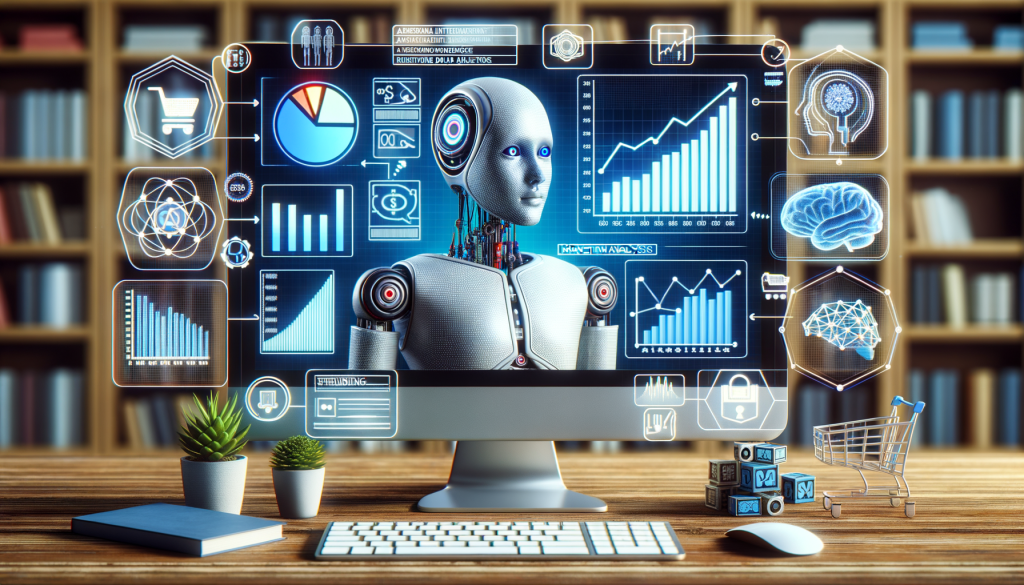
Personalized recommendations have become a critical component of modern e-commerce platforms. These recommendations are generated through advanced algorithms that analyze customer behavior, purchase history, and browsing patterns. By processing large datasets, these systems identify similarities between users and predict which products are most likely to appeal to individual shoppers.
This data-driven approach enables retailers to present curated product selections that align with customer preferences. The benefits of personalized recommendations extend beyond operational efficiency. Research indicates that tailored suggestions encourage customers to discover products outside their typical purchasing patterns, thereby expanding their product awareness.
When customers receive recommendations that accurately reflect their preferences, they develop increased brand loyalty and trust. Personalized shopping experiences create a sense of recognition and value, which strengthens customer relationships and encourages repeat visits to e-commerce platforms. The implementation of recommendation systems has demonstrated measurable impacts on consumer behavior and business outcomes.
Customers who receive relevant suggestions are more likely to complete purchases and spend more time on retail platforms. This mutually beneficial relationship—where customers enjoy improved shopping experiences and retailers increase conversion rates—has made personalized recommendations a standard feature across the digital commerce industry.
Key Takeaways
- AI enables personalized product recommendations, improving customer experience and sales.
- Chatbots provide efficient, 24/7 customer service and support.
- Predictive analytics optimize inventory management, reducing stockouts and overstock.
- Dynamic pricing and promotions adjust in real-time to maximize revenue.
- AI enhances search functionality and enables hyper-targeted advertising for better customer engagement.
Chatbots for Customer Service and Support
Chatbots have revolutionized the way I interact with customer service. Gone are the days of waiting on hold for what feels like an eternity; now, I can engage with a chatbot that provides instant responses to my queries. These AI-driven assistants are available 24/7, ensuring that I can get the help I need at any time of day or night.
Whether I have a simple question about product availability or require assistance with a complex issue, chatbots have become my go-to resource for immediate support. What I find particularly impressive about chatbots is their ability to learn and adapt over time. Each interaction helps them improve their responses, making them increasingly effective at addressing my concerns.
I appreciate how they can handle multiple inquiries simultaneously, which not only streamlines the customer service process but also allows human agents to focus on more complex issues. This blend of efficiency and effectiveness has transformed my experience as a consumer, making it easier than ever to resolve problems and get the information I need without unnecessary delays.
Predictive Analytics for Inventory Management

Predictive analytics has emerged as a game-changer in inventory management, and I have witnessed its profound impact on the retail landscape. By analyzing historical sales data and market trends, businesses can forecast demand with remarkable accuracy. This means that when I shop, I am less likely to encounter out-of-stock items or excessive inventory that leads to markdowns.
The ability to predict what products will be in demand allows retailers to optimize their stock levels, ensuring that I find what I want when I want it. Moreover, predictive analytics helps retailers make informed decisions about their supply chain operations. I have noticed that when companies utilize these insights effectively, they can respond swiftly to changes in consumer behavior or market conditions.
For instance, if a particular product suddenly gains popularity due to a viral trend, businesses can quickly adjust their inventory strategies to meet that demand. This agility not only enhances my shopping experience but also contributes to a more sustainable approach to inventory management, reducing waste and improving overall efficiency.
Dynamic Pricing and Promotions
Dynamic pricing has become an integral part of my shopping experience, allowing retailers to adjust prices in real-time based on various factors such as demand, competition, and even my browsing behavior. I often find myself benefiting from this strategy, as it enables me to snag deals that might not be available at a fixed price point. For instance, if I show interest in a particular item but hesitate to purchase it, I might receive a notification about a temporary price drop or an exclusive promotion tailored just for me.
This approach not only incentivizes me to make a purchase but also creates a sense of urgency that can lead to quicker decision-making. I appreciate how dynamic pricing allows retailers to remain competitive in an ever-changing market while also providing me with opportunities for savings. However, it also raises questions about fairness and transparency in pricing strategies.
As a consumer, I am increasingly aware of how these algorithms work and how they can influence my purchasing decisions, prompting me to be more discerning about where and when I shop.
Enhanced Search and Product Discovery
The search functionality on e-commerce platforms has evolved significantly over the years, and I have experienced firsthand how enhanced search capabilities can transform my shopping journey. When I enter a query into a search bar, I expect relevant results that align with my interests and needs. Advanced algorithms now take into account not only the keywords I use but also my previous interactions and preferences.
This means that the search results are often tailored specifically for me, making it easier to find exactly what I’m looking for. Moreover, enhanced product discovery features have introduced me to items I might not have encountered otherwise. Through personalized filters and recommendations based on my browsing history, I am often surprised by new products that align with my tastes.
This level of customization enriches my shopping experience and encourages me to explore beyond my usual choices. As a result, I find myself discovering unique items that resonate with me, ultimately leading to more fulfilling purchases.
Hyper-targeted Advertising and Retargeting
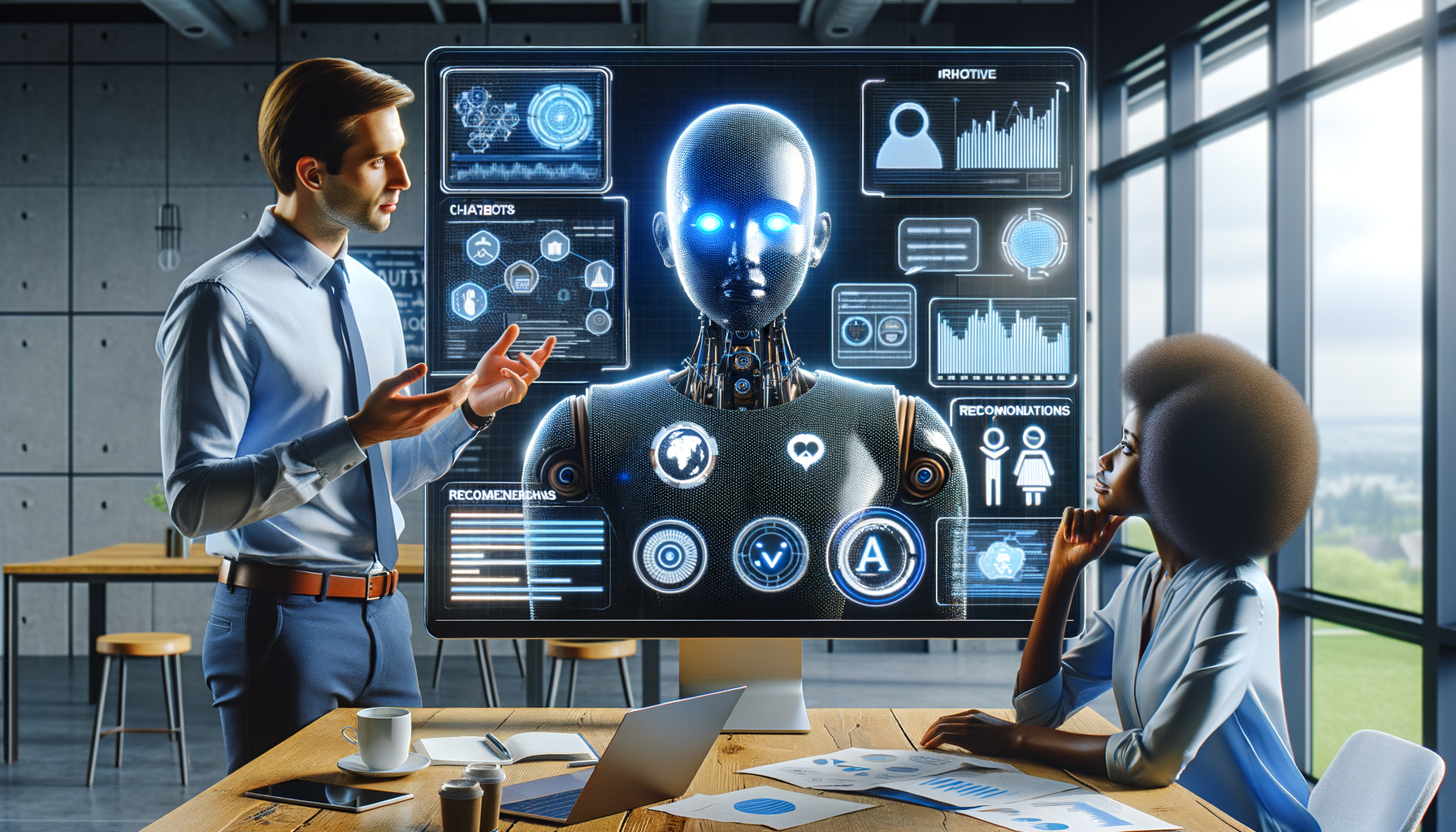
Hyper-targeted advertising has become an omnipresent aspect of my online experience. As I navigate various websites and social media platforms, I often encounter ads that seem eerily aligned with my interests and recent searches. This precision in targeting is made possible by sophisticated algorithms that analyze my online behavior and preferences.
While some may find this intrusive, I appreciate how it streamlines my exposure to products and services that genuinely interest me. Retargeting is another facet of this advertising strategy that has caught my attention. After visiting a website or viewing a product without making a purchase, I frequently see ads for those very items across different platforms.
This persistent reminder serves as both an incentive and a nudge to reconsider my initial decision. While it can sometimes feel overwhelming, the effectiveness of retargeting in rekindling my interest in products I’ve previously considered is undeniable. It keeps brands top-of-mind and encourages me to revisit items that may have slipped through the cracks during my initial browsing session.
AI-Powered Email Marketing Campaigns
Email marketing has undergone a transformation thanks to AI technology, and as a consumer, I’ve noticed the difference in the relevance and personalization of the emails I receive. Gone are the days of generic mass emails; now, brands leverage AI algorithms to tailor their messages based on my preferences and behaviors. When I open an email from a brand I love, I’m often greeted with product recommendations that align perfectly with my past purchases or browsing history.
What truly stands out is the timing of these campaigns. AI can analyze when I’m most likely to engage with emails based on my previous interactions, ensuring that promotions land in my inbox at just the right moment. This level of personalization not only increases the likelihood of me clicking through but also fosters a sense of connection between me and the brand.
As someone who appreciates thoughtful communication from companies, these AI-powered email campaigns enhance my overall shopping experience by making me feel valued as an individual rather than just another customer.
Streamlined Supply Chain and Logistics Management
The efficiency of supply chain and logistics management has become increasingly apparent in my shopping experiences. With advancements in technology and data analytics, retailers are now able to optimize their operations in ways that directly benefit me as a consumer. For instance, when I place an order online, I often receive real-time updates on its status—from processing to shipping—allowing me to track its journey right up until it arrives at my doorstep.
Moreover, streamlined logistics mean faster delivery times and improved inventory management. I’ve noticed that many retailers now offer same-day or next-day delivery options due to their enhanced supply chain capabilities. This level of service not only meets my expectations for convenience but also reflects the growing importance of efficiency in today’s fast-paced retail environment.
As a consumer who values promptness and reliability, these advancements in supply chain management significantly enhance my overall satisfaction with online shopping. In conclusion, the integration of advanced technologies into various aspects of retail has transformed my shopping experience in profound ways. From personalized recommendations that cater to my unique tastes to efficient supply chain management that ensures timely deliveries, each innovation contributes to a more seamless and enjoyable journey as a consumer.
As these technologies continue to evolve, I look forward to witnessing further enhancements that will shape the future of retail in ways we can only begin to imagine.
As AI continues to revolutionize e-commerce marketing, businesses are increasingly looking for innovative strategies to enhance their online presence. A related article that delves into effective marketing techniques is Using and Benefiting from Facebook as an Affiliate Marketer, which explores how social media platforms can be leveraged to maximize affiliate marketing efforts. This resource provides valuable insights into integrating AI tools with social media strategies to drive sales and engagement.