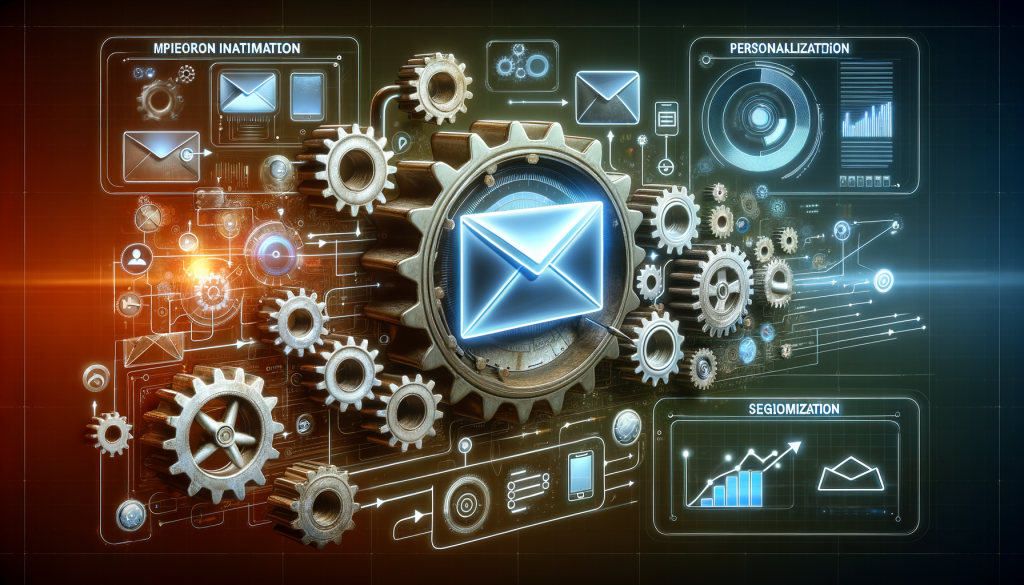

In the rapidly evolving landscape of digital marketing, artificial intelligence (AI) and machine learning (ML) have emerged as transformative forces, particularly in the realm of email marketing automation. As you navigate this dynamic environment, it becomes increasingly clear that leveraging these technologies can significantly enhance your marketing strategies. AI and ML enable you to analyze vast amounts of data, identify patterns, and make informed decisions that can lead to more effective email campaigns.
By automating repetitive tasks and optimizing processes, these technologies allow you to focus on crafting compelling content and building meaningful relationships with your audience. The integration of AI and ML into email marketing automation is not merely a trend; it represents a fundamental shift in how businesses engage with their customers. With the ability to personalize content at scale, predict customer behavior, and optimize send times, these technologies empower you to create more relevant and timely communications.
As you delve deeper into the capabilities of AI and ML, you’ll discover how they can help you achieve higher open rates, improved click-through rates, and ultimately, increased conversions. Embracing these innovations will not only enhance your email marketing efforts but also position your brand as a forward-thinking leader in your industry.
Key Takeaways
- AI and machine learning enhance email marketing by automating personalization and segmentation.
- These technologies optimize send times and frequency to improve engagement rates.
- Predictive analytics powered by AI help forecast customer behavior and campaign outcomes.
- AI-driven A/B testing enables more effective optimization of email content and strategies.
- Implementing best practices ensures successful integration of AI and machine learning in email marketing automation.
The Role of AI and Machine Learning in Personalizing Email Content
Personalization is at the heart of effective email marketing, and AI and machine learning play a pivotal role in making it more sophisticated than ever before. When you harness the power of these technologies, you can analyze customer data to understand preferences, behaviors, and purchasing patterns. This insight allows you to tailor your email content to meet the specific needs and interests of each recipient.
For instance, by utilizing algorithms that assess past interactions, you can create dynamic content that resonates with individual subscribers, increasing the likelihood of engagement. Moreover, AI-driven personalization extends beyond simply addressing recipients by their first names. It enables you to curate product recommendations based on previous purchases or browsing history, ensuring that your emails are not only relevant but also timely.
Imagine sending an email featuring items that align perfectly with a customer’s recent interests or needs; this level of personalization can significantly enhance the customer experience. As you implement AI and ML in your email campaigns, you’ll find that personalized content fosters stronger connections with your audience, leading to higher retention rates and increased loyalty.
Leveraging AI and Machine Learning for Email Segmentation and Targeting

Effective segmentation is crucial for maximizing the impact of your email marketing efforts, and AI and machine learning provide powerful tools for achieving this goal. By analyzing customer data, these technologies enable you to identify distinct segments within your audience based on various criteria such as demographics, purchase history, and engagement levels. This granular understanding allows you to craft targeted messages that resonate with each group, ultimately driving higher engagement rates.
For example, you might discover that a segment of your audience responds better to promotional offers while another group prefers informative content. With AI-driven insights, you can tailor your messaging accordingly, ensuring that each segment receives emails that align with their preferences. Additionally, machine learning algorithms can continuously refine these segments over time as new data becomes available, allowing you to adapt your strategies in real-time.
By leveraging AI and ML for segmentation and targeting, you can create more relevant campaigns that not only capture attention but also drive conversions.
Optimizing Email Send Times and Frequency with AI and Machine Learning
Timing is everything in email marketing, and AI and machine learning can help you determine the optimal moments to reach your audience. By analyzing historical data on when recipients are most likely to open and engage with emails, these technologies enable you to schedule your campaigns for maximum impact. Imagine being able to send emails at precisely the right time when your audience is most receptive; this level of optimization can significantly enhance your open rates.
Furthermore, machine learning algorithms can analyze individual recipient behavior to determine the ideal frequency for sending emails. Some subscribers may prefer daily updates, while others may find weekly or monthly communications more suitable. By tailoring your send frequency based on recipient preferences, you can avoid overwhelming your audience while ensuring they remain engaged with your brand.
As you implement AI-driven optimization strategies for send times and frequency, you’ll likely see improved engagement metrics and a more satisfied subscriber base.
Using AI and Machine Learning for Predictive Analytics in Email Marketing
Predictive analytics is a game-changer in email marketing, allowing you to anticipate customer behavior and tailor your strategies accordingly. By leveraging AI and machine learning algorithms, you can analyze historical data to identify trends and make informed predictions about future actions. For instance, you might use predictive analytics to determine which customers are most likely to make a purchase based on their past interactions with your brand.
This insight enables you to create targeted campaigns aimed at nurturing leads or re-engaging inactive subscribers. Imagine being able to send personalized offers to customers who are predicted to be on the verge of making a purchase; this proactive approach can significantly boost conversion rates. Additionally, predictive analytics can help you identify potential churn risks among your subscribers, allowing you to implement retention strategies before it’s too late.
By incorporating AI-driven predictive analytics into your email marketing efforts, you’ll be better equipped to meet customer needs and drive long-term loyalty.
Incorporating AI and Machine Learning in A/B Testing and Optimization of Email Campaigns

A/B testing is a fundamental practice in email marketing that allows you to compare different versions of your campaigns to determine which performs better. However, traditional A/B testing methods can be time-consuming and may not always yield clear results. This is where AI and machine learning come into play, streamlining the testing process and providing deeper insights into campaign performance.
With AI-driven A/B testing tools, you can automate the process of testing various elements such as subject lines, content layouts, or call-to-action buttons. These tools analyze recipient behavior in real-time, allowing for quicker decision-making based on data-driven insights. For example, if one subject line consistently outperforms another across multiple campaigns, the algorithm can automatically adjust future emails to prioritize the more effective option.
This level of optimization not only saves time but also ensures that your campaigns are continuously improving based on real-world performance data.
The Future of AI and Machine Learning in Email Marketing Automation
As technology continues to advance at an unprecedented pace, the future of AI and machine learning in email marketing automation looks incredibly promising. You can expect even more sophisticated algorithms that will enable deeper insights into customer behavior and preferences. The integration of natural language processing (NLP) will allow for more nuanced understanding of customer sentiment, enabling you to craft messages that resonate on a deeper emotional level.
Moreover, as privacy regulations evolve and consumer expectations shift, AI will play a crucial role in ensuring compliance while still delivering personalized experiences. You may find that machine learning algorithms become adept at balancing personalization with privacy concerns, allowing you to maintain trust with your audience while still providing relevant content. The future holds exciting possibilities for those who embrace these technologies; by staying ahead of the curve, you’ll be well-positioned to leverage AI and ML for innovative email marketing strategies.
Best Practices for Implementing AI and Machine Learning in Email Marketing Automation
To successfully implement AI and machine learning in your email marketing automation efforts, it’s essential to follow best practices that ensure optimal results. First and foremost, invest in quality data collection methods. The effectiveness of AI-driven insights relies heavily on the accuracy and completeness of the data you gather from your audience.
Ensure that you’re capturing relevant information through sign-up forms, surveys, and customer interactions. Additionally, prioritize continuous learning and adaptation. The digital landscape is ever-changing; therefore, regularly review your email campaigns’ performance metrics to identify areas for improvement.
Utilize A/B testing not just for initial campaigns but as an ongoing practice to refine your strategies continually. Finally, foster a culture of collaboration between your marketing team and data analysts or IT professionals who understand the intricacies of AI technology. By working together, you can unlock the full potential of AI and machine learning in your email marketing automation efforts.
In conclusion, embracing AI and machine learning in email marketing automation is no longer optional; it’s essential for staying competitive in today’s digital landscape. By personalizing content, optimizing send times, leveraging predictive analytics, and continuously refining your strategies through A/B testing, you can create impactful campaigns that resonate with your audience. As you look toward the future, remain open to innovation while adhering to best practices that will guide your journey toward successful email marketing automation powered by AI and machine learning.