

Headlines serve as the gateway to content, acting as the first impression that readers encounter. I often find that a compelling headline can make the difference between a piece of content being read or ignored. In a world inundated with information, where attention spans are fleeting, the headline must capture interest immediately.
It is not merely a title; it is a promise of what lies ahead. A well-crafted headline can evoke curiosity, provoke thought, or even inspire action, making it an essential element in any content strategy. Moreover, headlines play a crucial role in setting the tone for the entire piece.
They can convey urgency, importance, or even humor, depending on the message I wish to communicate. I have learned that understanding my audience is key to crafting headlines that resonate with them. By tapping into their interests and pain points, I can create headlines that not only attract clicks but also encourage deeper engagement with the content.
In essence, headlines are not just about drawing readers in; they are about establishing a connection that compels them to explore further.
Key Takeaways
- Headlines are crucial for grabbing attention and enticing readers to engage with content.
- AI tools can help in generating catchy and effective headlines by analyzing data and trends.
- Data analysis is essential for understanding what types of headlines resonate with the target audience.
- Emotional triggers in headlines can evoke a response and create a connection with the audience.
- A/B testing headlines can help in identifying the most effective ones for improving conversion rates.
- Optimizing headlines for SEO can improve visibility and drive organic traffic to the content.
- Personalizing headlines for specific target audiences can increase engagement and relevance.
- Implementing AI-generated headlines can maximize impact by leveraging data and trends for effective content promotion.
Utilizing AI Tools for Crafting Headlines
In recent years, I have discovered the transformative power of AI tools in crafting headlines. These advanced technologies analyze vast amounts of data to generate suggestions that align with current trends and audience preferences. By leveraging AI, I can save time and enhance creativity in my headline creation process.
Tools like headline analyzers and generators provide insights into what works and what doesn’t, allowing me to refine my approach based on real-time feedback. Using AI tools has also opened up new avenues for experimentation. I can input different keywords or phrases and receive multiple headline options in seconds.
This not only sparks my creativity but also helps me identify patterns in language that resonate with my target audience. The ability to test various headlines quickly means I can adapt my strategy on the fly, ensuring that I am always aligned with what my readers are looking for. Ultimately, AI tools have become invaluable allies in my quest to create compelling headlines that drive engagement.
Analyzing Data to Create Effective Headlines
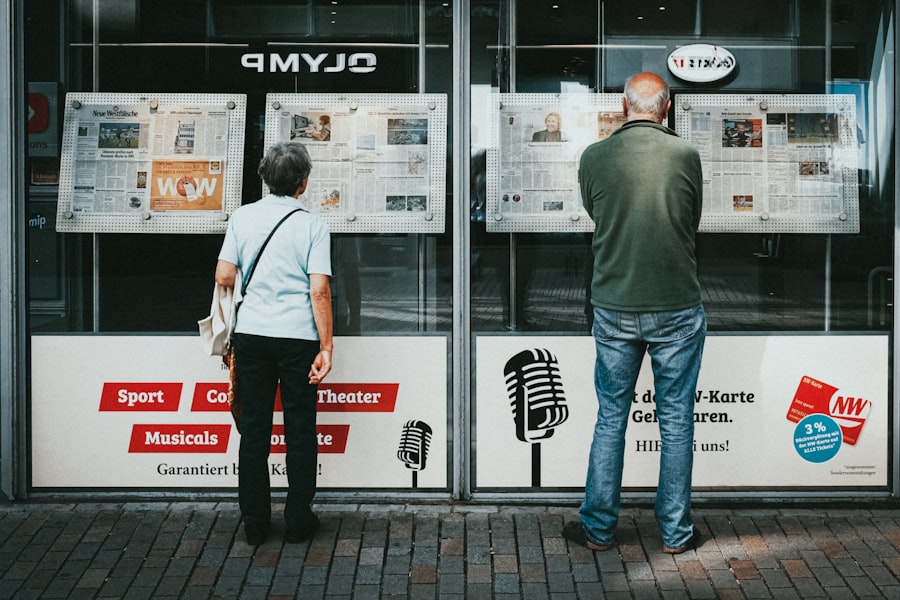
Data analysis is another critical component of crafting effective headlines. I have come to appreciate the wealth of information available through analytics tools that track reader behavior and engagement metrics. By examining which headlines perform best, I can identify trends and preferences that inform my future headline strategies.
This data-driven approach allows me to move beyond intuition and base my decisions on concrete evidence. For instance, I often analyze click-through rates (CTR) and social media shares to gauge the effectiveness of different headlines. By comparing these metrics across various pieces of content, I can discern which elements resonate most with my audience.
Additionally, I pay attention to demographic data to understand how different segments respond to specific types of headlines. This comprehensive analysis empowers me to create headlines that not only attract attention but also drive meaningful interactions with my content.
Incorporating Emotional Triggers in Headlines
Emotional triggers are powerful tools in headline creation, and I have found that incorporating them can significantly enhance reader engagement. By tapping into emotions such as curiosity, fear, joy, or surprise, I can create headlines that resonate on a deeper level. For example, a headline that evokes curiosity might prompt readers to click through to satisfy their desire for knowledge, while one that instills a sense of urgency can compel immediate action.
I often experiment with different emotional triggers to see how they impact reader response. For instance, using words like “discover,” “uncover,” or “reveal” can create a sense of intrigue, while phrases like “don’t miss out” or “limited time offer” can instill urgency. By understanding the emotional landscape of my audience, I can craft headlines that not only attract clicks but also foster a connection that encourages readers to engage with the content more deeply.
A/B Testing Headlines for Conversion Rates
A/B testing has become an essential practice in my headline optimization process. By creating two variations of a headline and measuring their performance against each other, I can gain valuable insights into what resonates best with my audience. This method allows me to make data-driven decisions rather than relying solely on intuition or guesswork.
In my experience, even small changes in wording or structure can lead to significant differences in conversion rates. For example, I might test a straightforward headline against one that incorporates a question or an emotional trigger. By analyzing the results, I can determine which approach yields better engagement and adjust my strategy accordingly.
A/B testing not only helps me refine my headlines but also fosters a culture of continuous improvement in my content creation process.
Optimizing Headlines for SEO

Search engine optimization (SEO) is another critical aspect of headline creation that I have learned to prioritize. A well-optimized headline can improve visibility in search engine results pages (SERPs), driving organic traffic to my content. To achieve this, I focus on incorporating relevant keywords naturally into my headlines while ensuring they remain engaging and compelling.
While it’s important to include keywords that align with search intent, I also want to avoid sounding robotic or forced.
By staying informed about SEO best practices and trends, I can create headlines that not only attract clicks but also rank well in search results.
Personalizing Headlines for Target Audiences
Personalization is a powerful strategy that I have embraced in my headline creation process. By tailoring headlines to specific segments of my audience, I can create a more relevant and engaging experience for readers. This approach involves understanding the unique interests, preferences, and pain points of different audience groups and crafting headlines that speak directly to them.
For instance, if I know that a segment of my audience is particularly interested in sustainability, I might create a headline that highlights eco-friendly practices or products. By addressing their specific concerns and interests, I can foster a sense of connection and relevance that encourages them to engage with my content. Personalization not only enhances reader experience but also increases the likelihood of conversions as readers feel understood and valued.
Implementing AI-Generated Headlines for Maximum Impact
As I continue to explore the potential of AI-generated headlines, I have found that they can be incredibly effective when used strategically. While AI tools provide valuable suggestions and insights, it’s essential for me to maintain a human touch in the final output. By combining AI-generated ideas with my understanding of audience preferences and emotional triggers, I can create headlines that are both innovative and impactful.
I often use AI-generated headlines as a starting point for inspiration rather than relying on them entirely. This collaborative approach allows me to harness the efficiency of AI while infusing my unique voice and perspective into the final product. The result is a set of headlines that not only capture attention but also reflect the authenticity of my brand and resonate with my audience on a personal level.
In conclusion, crafting effective headlines is an art form that requires a blend of creativity, data analysis, emotional intelligence, and strategic thinking. By understanding the importance of headlines and utilizing tools like AI while incorporating personalization and SEO strategies, I can create compelling headlines that drive engagement and conversions. As I continue to refine my approach through A/B testing and data analysis, I am excited about the potential for even greater impact in my content creation efforts moving forward.
In the realm of digital marketing, crafting compelling headlines is crucial for capturing audience attention and driving conversions. The article “Crafting High-Converting Headlines With AI Assistance” delves into how artificial intelligence can be leveraged to enhance headline effectiveness. For those looking to further refine their marketing strategies, it’s essential to be aware of common pitfalls. A related article, “Top Marketing Mistakes to Avoid for Business Success,” provides valuable insights into errors that can hinder your marketing efforts. By understanding these mistakes, marketers can better utilize AI tools to create headlines that not only attract but also convert potential customers.