
As you delve into the world of marketing, it becomes increasingly clear that artificial intelligence (AI) is not just a passing trend; it is a transformative force reshaping how businesses engage with their audiences. AI plays a pivotal role in enhancing the efficiency and effectiveness of marketing campaigns. By analyzing vast amounts of data, AI can identify patterns and trends that would be nearly impossible for a human to discern.
This capability allows you to tailor your marketing strategies to meet the specific needs and preferences of your target audience, ultimately leading to higher conversion rates and improved customer satisfaction. Moreover, AI can automate various aspects of your marketing efforts, freeing up valuable time and resources. For instance, AI-driven tools can manage social media posts, optimize email marketing campaigns, and even generate content.
This automation not only streamlines your processes but also ensures that your marketing efforts are consistent and timely. As you embrace AI in your campaigns, you will find that it empowers you to make data-driven decisions, enhancing your ability to connect with customers on a deeper level.
Key Takeaways
- AI enhances marketing campaigns by automating processes and personalizing customer experiences.
- A well-defined marketing stack includes various tools that must be carefully selected and integrated.
- Choosing the right AI tools depends on your specific marketing goals and existing technologies.
- Data and analytics are crucial for optimizing AI-driven campaigns and measuring their success.
- Continuous measurement and adjustment ensure AI marketing efforts deliver effective results.
Identifying the Key Components of a Marketing Stack
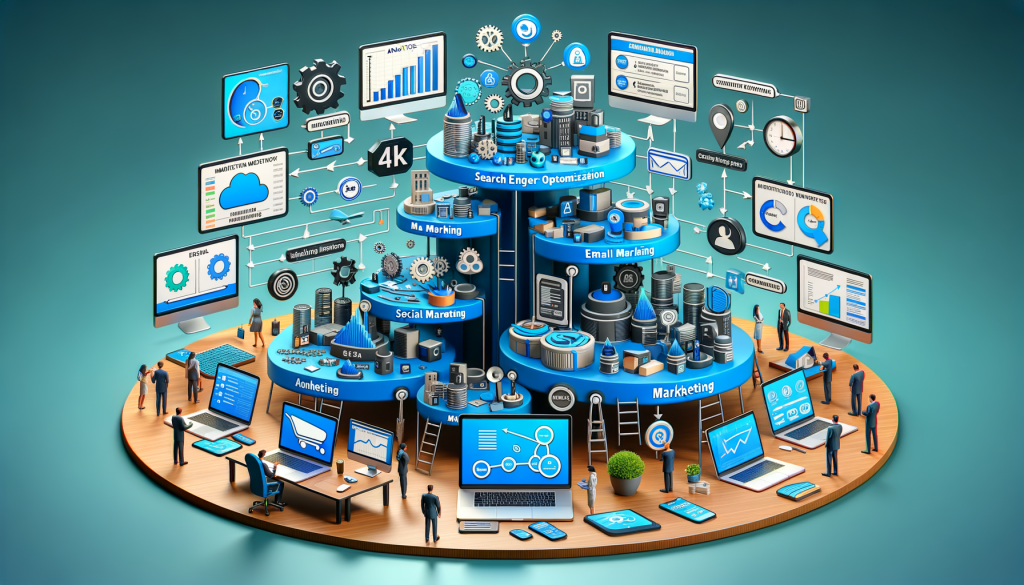
To effectively leverage AI in your marketing efforts, it is essential to understand the key components of a marketing stack. A marketing stack refers to the collection of tools and technologies that work together to execute your marketing strategy. As you build your stack, consider integrating various elements such as customer relationship management (CRM) systems, content management systems (CMS), analytics platforms, and social media management tools.
Each component plays a crucial role in creating a cohesive marketing strategy that can adapt to the ever-changing landscape of consumer behavior. In addition to these foundational tools, incorporating AI technologies into your marketing stack can significantly enhance its capabilities. For example, AI-powered analytics tools can provide insights into customer behavior, allowing you to refine your targeting and messaging.
Similarly, AI-driven content creation tools can help you generate engaging content that resonates with your audience. By carefully selecting the right components for your marketing stack, you can create a powerful ecosystem that drives results and fosters growth.
Selecting the Right AI Tools for Your Marketing Stack

Choosing the right AI tools for your marketing stack is a critical step in maximizing the potential of your campaigns. With a plethora of options available, it is essential to evaluate each tool based on its features, ease of use, and compatibility with your existing systems. Start by identifying your specific marketing goals and challenges.
Are you looking to improve customer segmentation, enhance content creation, or optimize ad targeting? By clarifying your objectives, you can narrow down the tools that align with your needs. Once you have identified potential AI tools, take the time to explore their functionalities through demos or free trials.
This hands-on experience will give you a better understanding of how each tool operates and whether it fits seamlessly into your marketing stack. Additionally, consider seeking feedback from peers or industry experts who have experience with these tools. Their insights can provide valuable guidance as you make your selection, ensuring that you invest in solutions that will truly enhance your marketing efforts.
Integrating AI Tools with Existing Marketing Technologies
After selecting the right AI tools for your marketing stack, the next step is to integrate them with your existing technologies. This process can be complex, as it often involves aligning different systems and ensuring they communicate effectively with one another. To facilitate a smooth integration, start by mapping out your current technology landscape and identifying any potential gaps or redundancies.
This will help you understand how the new AI tools will fit into your overall strategy. As you integrate these tools, prioritize collaboration between teams to ensure everyone is on the same page. Encourage open communication between marketing, sales, and IT departments to address any technical challenges that may arise during the integration process.
By fostering a culture of collaboration, you can create a more cohesive marketing ecosystem that leverages the strengths of both traditional and AI-driven technologies.
Leveraging Data and Analytics in AI-Driven Campaigns
Data is at the heart of any successful marketing campaign, and when combined with AI, it becomes an even more powerful asset. As you embark on AI-driven campaigns, focus on leveraging data and analytics to inform your strategies. Start by collecting relevant data from various sources, including customer interactions, website traffic, and social media engagement.
This wealth of information will provide valuable insights into customer behavior and preferences. Once you have gathered this data, utilize AI-powered analytics tools to uncover trends and patterns that can guide your decision-making process. These tools can help you identify which marketing channels are most effective, what types of content resonate with your audience, and how to optimize your campaigns for better results.
By harnessing the power of data and analytics, you can create targeted campaigns that speak directly to your customers’ needs and desires.
Automating Marketing Processes with AI

One of the most significant advantages of incorporating AI into your marketing strategy is the ability to automate various processes. Automation not only saves time but also enhances accuracy and consistency across your campaigns. As you explore automation options, consider areas such as email marketing, social media posting, and lead scoring.
By automating these tasks, you can focus on higher-level strategic initiatives while ensuring that routine activities are handled efficiently. Additionally, AI-driven automation tools can help you personalize customer interactions at scale. For instance, automated email campaigns can be tailored based on user behavior and preferences, delivering relevant content to each recipient.
This level of personalization fosters stronger connections with customers and increases the likelihood of conversion. As you embrace automation in your marketing processes, you’ll find that it allows for greater agility and responsiveness in an ever-evolving marketplace.
Personalizing Customer Experiences with AI-Driven Campaigns
In today’s competitive landscape, personalization is key to capturing and retaining customer attention. With AI-driven campaigns, you have the opportunity to create highly personalized experiences that resonate with individual customers. By analyzing data on customer behavior and preferences, AI can help you segment your audience more effectively and deliver tailored messaging that speaks directly to their needs.
For example, consider using AI algorithms to recommend products based on past purchases or browsing history. This level of personalization not only enhances the customer experience but also increases the likelihood of repeat purchases. Additionally, personalized content—such as targeted ads or customized email newsletters—can significantly improve engagement rates.
As you implement AI-driven personalization strategies, remember that the goal is to create meaningful connections with customers that foster loyalty and drive long-term success.
Measuring the Success of AI-Driven Marketing Campaigns
Finally, measuring the success of your AI-driven marketing campaigns is crucial for understanding their impact and optimizing future efforts. Establish clear key performance indicators (KPIs) that align with your campaign objectives—whether it’s increased website traffic, higher conversion rates, or improved customer retention. By tracking these metrics over time, you can gain valuable insights into what works and what doesn’t.
Utilize AI-powered analytics tools to streamline this measurement process. These tools can provide real-time data on campaign performance, allowing you to make informed adjustments as needed. Additionally, consider conducting A/B testing to compare different strategies and identify which approaches yield the best results.
By continuously measuring and refining your campaigns based on data-driven insights, you’ll be well-equipped to navigate the dynamic landscape of digital marketing and achieve sustained success in your efforts. In conclusion, embracing AI in your marketing campaigns offers numerous advantages—from enhanced efficiency and automation to personalized customer experiences and data-driven decision-making. By understanding the role of AI in marketing, identifying key components of a marketing stack, selecting appropriate tools, integrating technologies effectively, leveraging data analytics, automating processes, personalizing experiences, and measuring success diligently, you position yourself for success in an increasingly competitive marketplace.
As you embark on this journey, remember that the ultimate goal is not just to adopt new technologies but to create meaningful connections with your audience that drive lasting results.