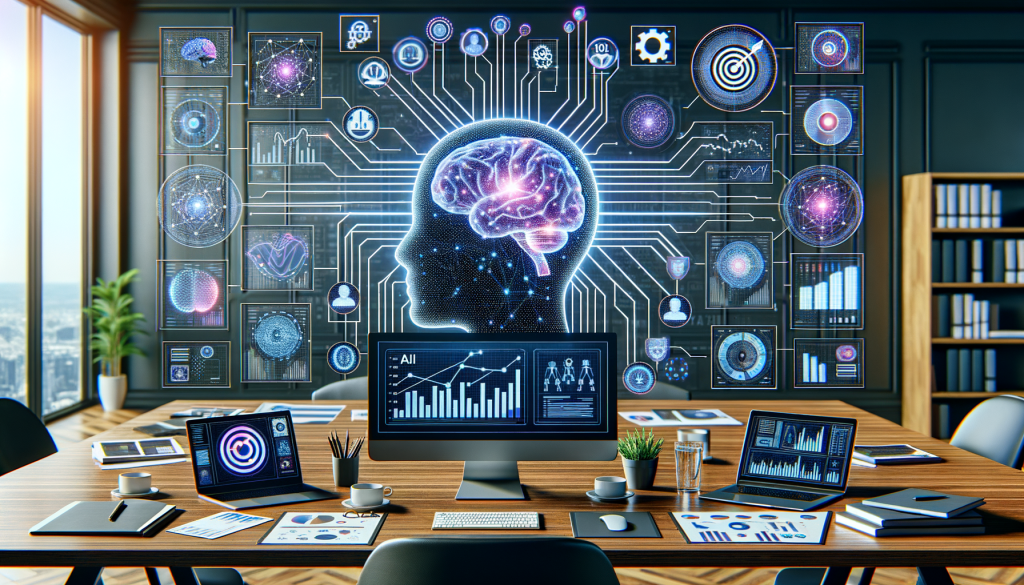

Artificial intelligence (AI) has become a significant tool in modern marketing operations. AI integration into marketing workflows enables businesses to automate routine tasks, improve operational efficiency, and deliver more personalized customer experiences. By automating repetitive processes such as data entry, email scheduling, and basic customer inquiries, marketing teams can allocate more time to strategic planning and creative development.
AI marketing workflows typically encompass several key components, including data collection, customer segmentation, campaign automation, and performance analysis. Each element contributes to the overall effectiveness of marketing strategies by enabling data-driven decision-making and targeted outreach. Data collection systems gather customer information from multiple sources, while segmentation tools organize this data into meaningful groups.
Automated campaign management then delivers tailored messages to these segments at optimal times. The marketing landscape continues to evolve as AI technology advances. Marketers who effectively implement AI tools gain competitive advantages through improved targeting accuracy, faster campaign deployment, and better resource allocation.
Staying current with AI developments and maintaining flexibility in strategy implementation have become essential requirements for marketing professionals seeking to maximize their effectiveness in an increasingly technology-driven environment.
Key Takeaways
- AI marketing workflows streamline data collection, analysis, and campaign management for efficiency.
- Personalized content creation is enhanced through AI-driven insights and customer data.
- Predictive analytics enable precise customer segmentation and targeted marketing strategies.
- Automated performance monitoring and reporting provide real-time campaign optimization.
- Integration of AI tools with existing marketing platforms improves overall customer engagement and retention.
Data Collection and Analysis
One of the cornerstones of AI marketing workflows is data collection and analysis. In my experience, the sheer volume of data available today can be overwhelming, but it also presents a wealth of opportunities. By leveraging AI technologies, I can gather insights from various sources, including social media, website interactions, and customer feedback.
This comprehensive data collection allows me to build a more complete picture of my target audience, their preferences, and behaviors. Once I have collected the data, the next step is analysis. AI algorithms can process vast amounts of information at lightning speed, identifying patterns and trends that would be nearly impossible for a human to discern.
This capability enables me to make data-driven decisions that enhance my marketing strategies. For instance, by analyzing customer behavior, I can identify which products are most popular or which marketing channels yield the highest engagement rates. This level of insight empowers me to tailor my campaigns more effectively, ensuring that I reach my audience with the right message at the right time.
Personalized Content Creation
In an age where consumers are bombarded with information, personalization has become a key differentiator in marketing. I have found that AI plays a pivotal role in creating personalized content that resonates with individual customers. By utilizing data insights gathered during the analysis phase, I can craft messages that speak directly to the needs and interests of my audience.
This tailored approach not only enhances engagement but also fosters a sense of loyalty among customers. AI tools enable me to automate aspects of content creation, such as generating product recommendations or personalized email campaigns. For example, when a customer browses my website and shows interest in specific products, AI can suggest similar items based on their browsing history and preferences.
This level of personalization not only improves the customer experience but also increases conversion rates. As I continue to refine my content creation processes with AI, I am excited about the potential for even greater customization in the future.
Automated Campaign Management
Managing marketing campaigns can be a daunting task, especially when juggling multiple channels and strategies simultaneously. However, with the advent of AI-driven automated campaign management, I have found a way to streamline this process significantly. Automation allows me to set up campaigns that run seamlessly across various platforms without constant oversight.
This efficiency frees up my time to focus on higher-level strategy and creative development. One of the most significant advantages of automated campaign management is the ability to optimize campaigns in real-time. AI algorithms can analyze performance metrics and make adjustments on the fly, ensuring that my campaigns remain effective and relevant.
For instance, if a particular ad is underperforming, AI can automatically reallocate budget resources to better-performing ads or adjust targeting parameters to reach a more suitable audience. This level of agility is invaluable in today’s fast-paced marketing environment, where consumer preferences can shift rapidly.
Predictive Analytics and Customer Segmentation
As I continue to explore AI marketing workflows, predictive analytics has emerged as a game-changer in understanding customer behavior. By analyzing historical data and identifying trends, I can make informed predictions about future customer actions. This foresight allows me to tailor my marketing strategies proactively rather than reactively, positioning my brand as a leader in anticipating customer needs.
Customer segmentation is another critical aspect of predictive analytics that I have found particularly useful. By categorizing customers based on their behaviors and preferences, I can create targeted campaigns that resonate with specific segments. For example, if I identify a group of customers who frequently purchase eco-friendly products, I can develop campaigns that highlight sustainability initiatives or promote new eco-friendly offerings.
This targeted approach not only enhances engagement but also drives higher conversion rates as customers feel understood and valued.
Performance Monitoring and Reporting
In any marketing endeavor, performance monitoring is essential for understanding what works and what doesn’t. With AI-driven tools at my disposal, I can track key performance indicators (KPIs) in real-time, gaining insights into campaign effectiveness and overall marketing performance. This level of visibility allows me to make data-driven adjustments quickly, ensuring that my strategies remain aligned with business goals.
Reporting has also become more streamlined thanks to AI technologies. Instead of spending hours compiling data into reports, I can leverage automated reporting tools that generate comprehensive insights with minimal effort. These reports provide valuable information on campaign performance, audience engagement, and ROI, enabling me to present findings to stakeholders confidently.
As I embrace these advancements in performance monitoring and reporting, I am better equipped to demonstrate the impact of my marketing efforts and make informed decisions moving forward.
Customer Engagement and Retention
Engaging customers effectively is crucial for building lasting relationships and driving brand loyalty. Through AI marketing workflows, I have discovered innovative ways to enhance customer engagement at every touchpoint. For instance, chatbots powered by AI can provide instant support on websites or social media platforms, answering customer inquiries and guiding them through their purchasing journey.
This immediate assistance not only improves customer satisfaction but also increases the likelihood of conversion. Retention strategies have also benefited from AI insights. By analyzing customer behavior patterns, I can identify at-risk customers who may be disengaging from my brand.
Armed with this knowledge, I can implement targeted retention campaigns designed to re-engage these individuals. Whether through personalized offers or tailored content that speaks to their interests, AI enables me to take proactive measures that keep customers coming back for more.
Integration with Other Marketing Tools
As I navigate the complexities of AI marketing workflows, I have come to realize the importance of integration with other marketing tools. A seamless connection between various platforms enhances efficiency and ensures that data flows smoothly across systems. For example, integrating my email marketing platform with AI analytics tools allows me to leverage insights directly within my email campaigns, creating a more cohesive strategy.
Moreover, integration facilitates collaboration among different teams within an organization. By connecting sales, customer service, and marketing tools through AI-driven platforms, I can ensure that everyone is aligned on customer insights and strategies. This holistic approach not only improves internal communication but also enhances the overall customer experience as all teams work together towards common goals.
In conclusion, as I reflect on my journey through AI marketing workflows, it becomes clear that these technologies are reshaping the landscape of marketing as we know it. From data collection and analysis to personalized content creation and automated campaign management, AI empowers me to work smarter and more effectively than ever before. By embracing these innovations and continuously adapting to new developments in the field, I am excited about the future possibilities for enhancing customer experiences and driving business success through AI-driven marketing strategies.
In the realm of AI marketing workflows, understanding how to effectively build and scale your mailing list is crucial for any agency. A related article that delves into this topic is titled “How Webinars and Automation Can Build Your Mailing List and Scale Your Business.” This piece offers valuable insights on leveraging webinars and automation tools to enhance your marketing efforts. You can read the article [here](https://billsimblog.com/how-webinars-and-automation-can-build-your-mailing-list-and-scale-your-business/).