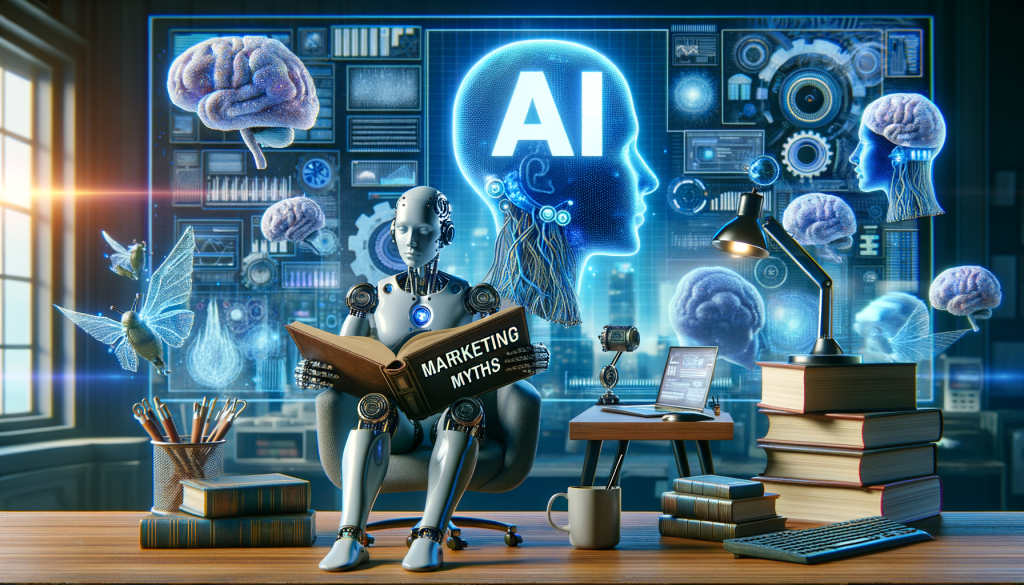

# AI and Human Creativity in Marketing
When I began studying artificial intelligence in marketing, I encountered the common assumption that AI could replace human creativity. This assumption is inaccurate. Creativity is fundamentally a human capability, shaped by personal experiences, emotions, and cultural knowledge.
While AI can process data and produce content, it cannot grasp the emotional depth or cultural significance that drives truly original thinking. AI functions most effectively as a tool that amplifies human creativity rather than replaces it. The most effective marketing campaigns combine AI’s analytical capabilities with human creative thinking.
AI can identify market trends and recommend strategies based on data analysis, but human marketers translate these insights into compelling campaigns. Teams that use AI to support their creative process—rather than lead it—produce work that connects meaningfully with audiences. The combination of human creativity and AI’s data analysis capacity produces results that neither approach could achieve independently.
Key Takeaways
- AI marketing complements rather than replaces human creativity.
- AI marketing requires customization; it’s not a universal fix.
- AI marketing can respect privacy when used responsibly.
- AI marketing can be cost-effective, not necessarily expensive.
- AI marketing works best as part of a broader strategy, not alone.
The Myth of AI Marketing as a One-Size-Fits-All Solution
Another misconception I encountered in my journey through AI marketing is the belief that it offers a one-size-fits-all solution. This myth suggests that a single AI tool or strategy can be universally applied across various industries and demographics. However, I have learned that effective marketing requires a nuanced understanding of target audiences, market dynamics, and brand identity.
Each business is unique, and what works for one may not work for another. In my own practice, I have found that successful AI marketing involves customization and adaptability. While AI can provide valuable insights and recommendations, it is essential to tailor these suggestions to fit the specific context of a brand or campaign.
For example, an AI-driven approach that works well for a tech startup may not yield the same results for a traditional retail business. By recognizing the limitations of a one-size-fits-all mentality, I have been able to create more effective marketing strategies that resonate with diverse audiences.
The Myth of AI Marketing as a Privacy Invasion

As I explored the implications of AI in marketing, I encountered concerns about privacy invasion. Many people fear that AI-driven marketing relies on invasive data collection practices that compromise individual privacy. While it is true that data is a cornerstone of effective marketing, I believe it is crucial to differentiate between ethical data usage and unethical practices.
In my experience, responsible marketers prioritize transparency and consent when collecting data from consumers. I have found that when brands communicate openly about their data collection practices and provide value in exchange for consumer information, they can build trust with their audiences. For instance, offering personalized experiences based on user preferences can enhance customer satisfaction without infringing on privacy.
By focusing on ethical data practices, I have been able to leverage AI marketing tools while respecting consumer rights and fostering positive relationships with my audience.
The Myth of AI Marketing as a Cost-Prohibitive Investment
One of the most common myths I encountered was the belief that AI marketing is a cost-prohibitive investment reserved for large corporations with deep pockets. Initially, this notion deterred me from exploring AI solutions for my own marketing efforts. However, as I researched further, I discovered that there are numerous affordable AI tools available for businesses of all sizes.
Many platforms offer scalable solutions that can be tailored to fit different budgets and needs. In my experience, investing in AI marketing has proven to be a wise decision that yields significant returns. By automating repetitive tasks and streamlining processes, I have been able to allocate resources more effectively and focus on strategic initiatives.
Moreover, the insights generated by AI tools have allowed me to make data-driven decisions that enhance campaign performance. As I embraced AI marketing, I realized that the initial investment often pays off in increased efficiency and improved results.
The Myth of AI Marketing as a Standalone Solution
Another misconception I encountered was the belief that AI marketing could function as a standalone solution without the need for human oversight or intervention. This myth suggests that once an AI system is implemented, it can operate independently without any input from marketers. However, I have learned that successful AI marketing requires ongoing collaboration between humans and machines.
In my experience, while AI can automate certain tasks and provide valuable insights, it still relies on human expertise to interpret data and make strategic decisions. For example, an AI tool may analyze customer behavior patterns and suggest targeted campaigns, but it is up to marketers to craft compelling messages and determine the best channels for delivery. By recognizing the importance of human involvement in the process, I have been able to harness the full potential of AI marketing while ensuring that my campaigns remain aligned with brand values and objectives.
The Myth of AI Marketing as a Guarantee of Success

As I navigated the landscape of AI marketing, I encountered the belief that implementing AI tools guarantees success in marketing efforts. This myth can lead to unrealistic expectations and disappointment when results do not meet anticipated outcomes. In my experience, while AI can significantly enhance marketing strategies, it is not a magic bullet that ensures success.
I have learned that successful marketing requires a combination of factors beyond just technology. A well-defined strategy, clear objectives, and an understanding of target audiences are all critical components of effective marketing campaigns. While AI can provide valuable insights and streamline processes, it is essential to approach its implementation with realistic expectations.
By combining AI capabilities with sound marketing principles, I have been able to achieve meaningful results without falling prey to the myth of guaranteed success.
The Myth of AI Marketing as a Threat to Jobs
One of the most pervasive myths surrounding AI marketing is the belief that it poses a threat to jobs within the industry. As I engaged with colleagues and industry experts, I found that many shared concerns about job displacement due to automation. However, my perspective has evolved as I witnessed how AI can complement human roles rather than replace them.
In my experience, AI marketing has created new opportunities for professionals by automating repetitive tasks and freeing up time for more strategic work. Rather than eliminating jobs, AI has allowed marketers to focus on higher-level responsibilities such as creative strategy development and relationship building with clients. By embracing AI as an ally rather than an adversary, I have been able to enhance my skill set and contribute more meaningfully to my organization.
The Myth of AI Marketing as a Complex and Unmanageable Tool
Finally, I encountered the myth that AI marketing tools are overly complex and unmanageable for everyday marketers. Initially intimidated by the technical jargon associated with AI technologies, I hesitated to explore their potential applications in my work. However, as I began to engage with various platforms and resources, I discovered that many AI tools are designed with user-friendliness in mind.
Through hands-on experience and training resources provided by software vendors, I learned how to navigate these tools effectively without needing extensive technical expertise. In fact, many platforms offer intuitive interfaces and guided workflows that make it easy for marketers like me to harness their capabilities. By overcoming my initial apprehensions about complexity, I have been able to leverage AI marketing tools to streamline processes and enhance campaign performance.
In conclusion, my journey through the world of AI marketing has revealed numerous myths that often cloud perceptions about its capabilities and limitations. By understanding these misconceptions—ranging from the belief that AI can replace human creativity to concerns about job displacement—I have been able to embrace AI as a powerful ally in my marketing efforts. As I continue to explore this evolving landscape, I remain committed to leveraging technology responsibly while prioritizing the human touch that makes marketing truly impactful.
In the realm of AI marketing, it’s essential to separate fact from fiction to harness its full potential. One article that delves deeper into practical applications of AI in marketing is the comprehensive guide on affiliate marketing and automation. You can read more about it in the article titled Level the Playing Field: The Step-by-Step Guide to Earning Online with Affiliate Marketing and Automation. This resource provides valuable insights that can help you overcome common misconceptions and effectively implement AI strategies in your marketing efforts.