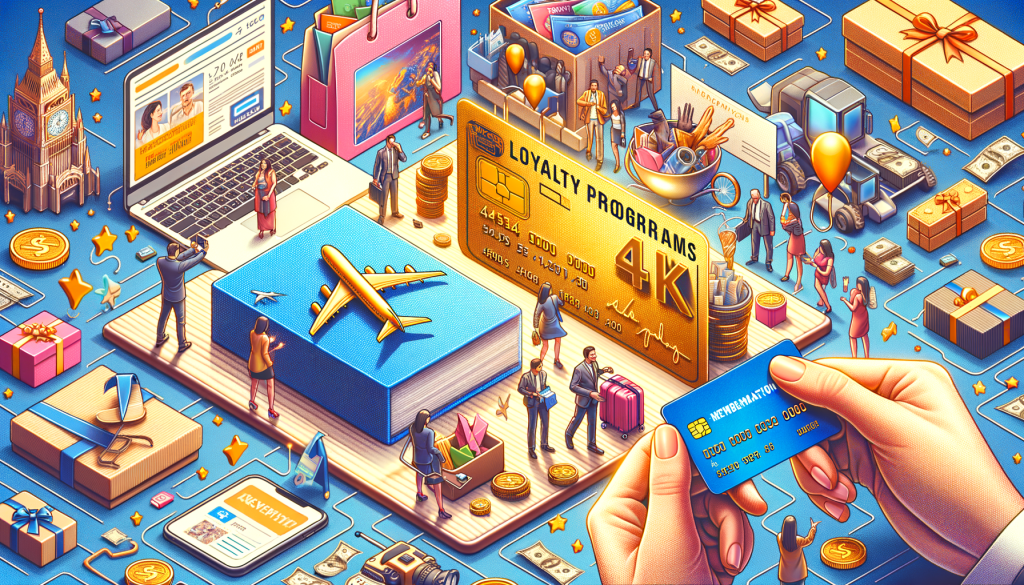

In recent years, the landscape of customer loyalty programs has undergone a significant transformation, largely driven by advancements in artificial intelligence (AI). As businesses strive to cultivate deeper relationships with their customers, they are increasingly turning to AI technologies to enhance their loyalty initiatives. You may have noticed that many brands are now leveraging AI to analyze customer behavior, preferences, and purchasing patterns.
This shift is not merely a trend; it represents a fundamental change in how companies engage with their customers and reward their loyalty. The rise of AI in loyalty programs is characterized by its ability to process vast amounts of data quickly and efficiently. With the help of machine learning algorithms, businesses can identify trends and insights that were previously hidden in the noise of customer interactions.
This capability allows you, as a consumer, to experience more relevant and timely rewards tailored to your preferences. As AI continues to evolve, it is likely that loyalty programs will become even more sophisticated, offering personalized experiences that resonate with individual customers on a deeper level.
Key Takeaways
- AI is transforming loyalty programs by enhancing predictive analytics and personalization.
- Predictive analytics enables more effective and tailored loyalty rewards.
- Machine learning drives targeted marketing, improving customer retention.
- Ethical considerations and challenges must be addressed in AI-driven loyalty initiatives.
- Future trends point to increased innovation and integration of AI in loyalty strategies.
How Predictive Analytics is Revolutionizing Loyalty Rewards
Predictive analytics is at the forefront of the AI revolution in loyalty programs, enabling businesses to anticipate customer needs and behaviors with remarkable accuracy. By analyzing historical data, predictive models can forecast future purchasing patterns, allowing companies to tailor their rewards and incentives accordingly. You might find that your favorite brand now offers promotions that align perfectly with your shopping habits, thanks to the insights gleaned from predictive analytics.
This technology not only enhances the customer experience but also drives business growth. When companies can predict what you are likely to buy next, they can create targeted marketing campaigns that resonate with you personally. This means that you are more likely to engage with the brand and take advantage of the rewards offered.
As a result, businesses can increase customer retention rates and boost overall sales, creating a win-win situation for both parties involved.
Personalization and Customization: AI’s Impact on Loyalty Programs

One of the most significant impacts of AI on loyalty programs is the ability to deliver personalized and customized experiences. You may have noticed that many brands are now using AI algorithms to analyze your past purchases and interactions, allowing them to offer rewards that are specifically tailored to your preferences. This level of personalization not only enhances your experience but also fosters a sense of connection between you and the brand.
Moreover, customization goes beyond just personalized offers; it extends to the entire customer journey. AI can help brands create unique experiences based on your preferences, such as personalized emails, targeted advertisements, and even customized product recommendations. As you engage with these tailored experiences, you are more likely to feel valued as a customer, which can lead to increased loyalty and long-term engagement with the brand.
The Role of AI in Customer Retention Strategies
Customer retention is a critical focus for businesses looking to thrive in today’s competitive landscape, and AI plays a pivotal role in shaping effective retention strategies. By analyzing customer data, AI can identify at-risk customers who may be on the verge of disengagement. You might find that brands are now proactively reaching out to you with special offers or incentives designed to keep you engaged and loyal.
Additionally, AI-driven insights can help businesses understand the factors that contribute to customer churn. By identifying common pain points or dissatisfaction triggers, companies can make informed decisions about how to improve their offerings and enhance the overall customer experience. This proactive approach not only helps retain existing customers but also attracts new ones who are drawn to brands that prioritize customer satisfaction.
Leveraging Machine Learning for Targeted Marketing in Loyalty Programs
Machine learning is a powerful tool that enables businesses to refine their marketing strategies within loyalty programs. By analyzing vast datasets, machine learning algorithms can identify patterns and trends that inform targeted marketing efforts. You may have experienced this firsthand when receiving promotions or recommendations that align closely with your interests and purchasing history.
This targeted approach not only increases the likelihood of engagement but also enhances the overall effectiveness of marketing campaigns. When you receive offers that resonate with your preferences, you are more inclined to take action, whether it’s making a purchase or participating in a promotional event. As businesses continue to leverage machine learning for targeted marketing, you can expect an increasingly personalized experience that caters specifically to your needs.
The Future of AI in Loyalty Programs: Trends and Innovations
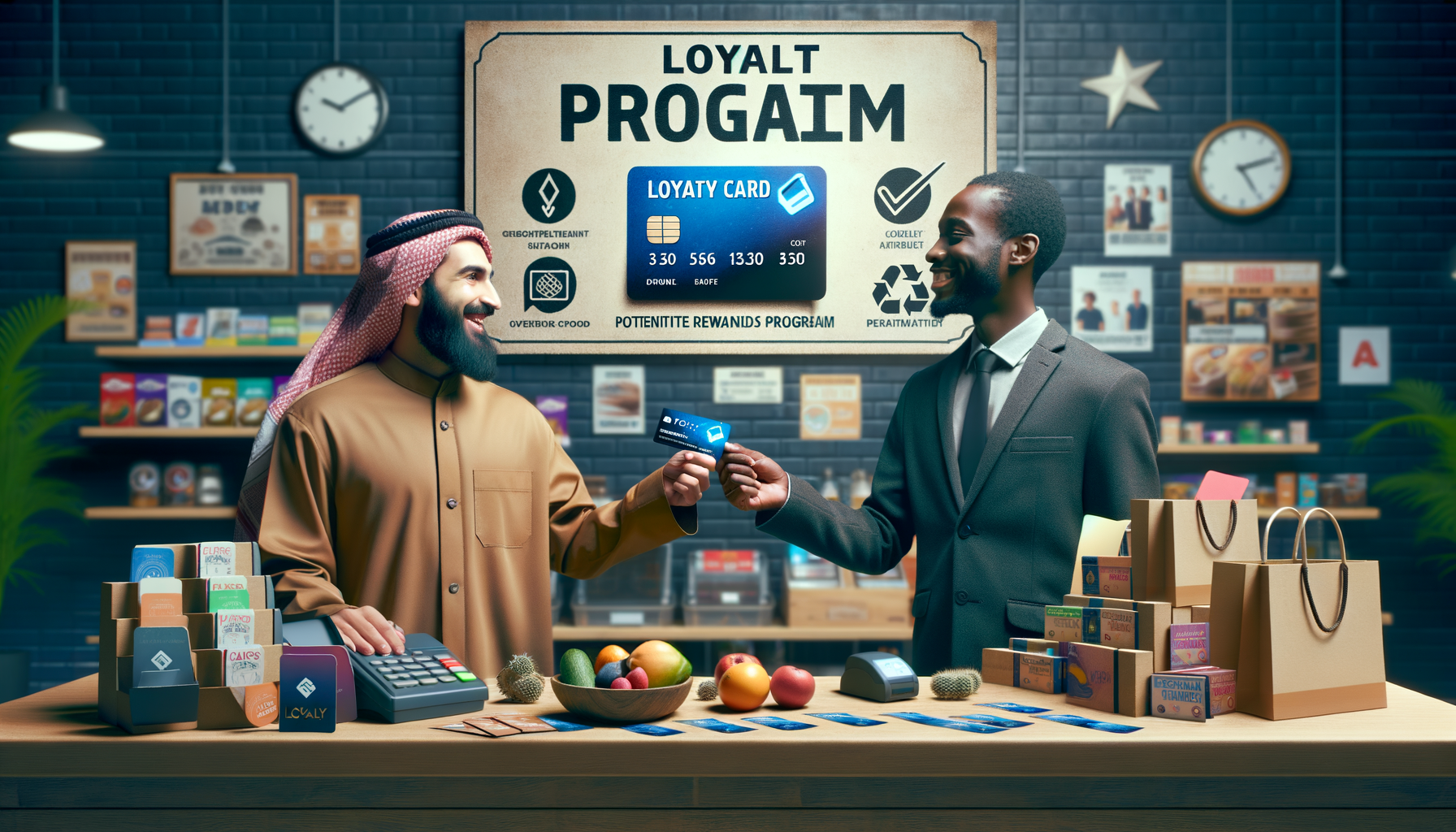
As we look ahead, the future of AI in loyalty programs is filled with exciting trends and innovations that promise to reshape the way brands interact with their customers. One emerging trend is the integration of AI with other technologies, such as augmented reality (AR) and virtual reality (VR). Imagine walking into a store where your loyalty app uses AR to provide personalized offers based on your location within the store.
This level of interactivity could revolutionize the shopping experience and deepen your connection with brands. Another trend is the growing emphasis on ethical AI practices within loyalty programs. As consumers become more aware of data privacy concerns, brands will need to prioritize transparency and ethical data usage.
You may find yourself more inclined to engage with brands that demonstrate a commitment to responsible AI practices, ensuring that your data is handled securely and ethically.
Overcoming Challenges and Ethical Considerations in AI-Driven Loyalty Programs
While the benefits of AI in loyalty programs are substantial, there are also challenges and ethical considerations that must be addressed. One significant concern is data privacy; as businesses collect and analyze vast amounts of customer data, it is crucial for them to implement robust security measures to protect your information. You may feel hesitant to engage with brands if you perceive that your data is not being handled responsibly.
Additionally, there is the risk of algorithmic bias in AI systems. If not carefully monitored, these systems can inadvertently reinforce existing biases or exclude certain customer segments from receiving personalized offers. Brands must remain vigilant in ensuring that their AI-driven loyalty programs are inclusive and equitable for all customers.
By addressing these challenges head-on, businesses can build trust with you as a consumer and create loyalty programs that genuinely enhance your experience.
Case Studies: Successful Implementation of AI in Loyalty Programs
To illustrate the transformative power of AI in loyalty programs, consider examining successful case studies from various industries. For instance, a leading retail chain implemented an AI-driven loyalty program that utilized predictive analytics to tailor promotions based on individual shopping habits. As a result, they saw a significant increase in customer engagement and retention rates, demonstrating how effective personalization can drive loyalty.
Another example comes from the hospitality industry, where a hotel chain leveraged machine learning algorithms to analyze guest preferences and behaviors. By offering personalized room upgrades and tailored experiences based on past stays, they were able to enhance guest satisfaction significantly. This case highlights how AI can create memorable experiences that foster long-term loyalty among customers.
In conclusion, the rise of AI in loyalty programs represents a paradigm shift in how businesses engage with their customers. Through predictive analytics, personalization, targeted marketing, and ethical considerations, brands can create meaningful connections with you as a consumer. As technology continues to evolve, you can expect even more innovative approaches that enhance your loyalty experience while fostering trust and engagement with the brands you love.