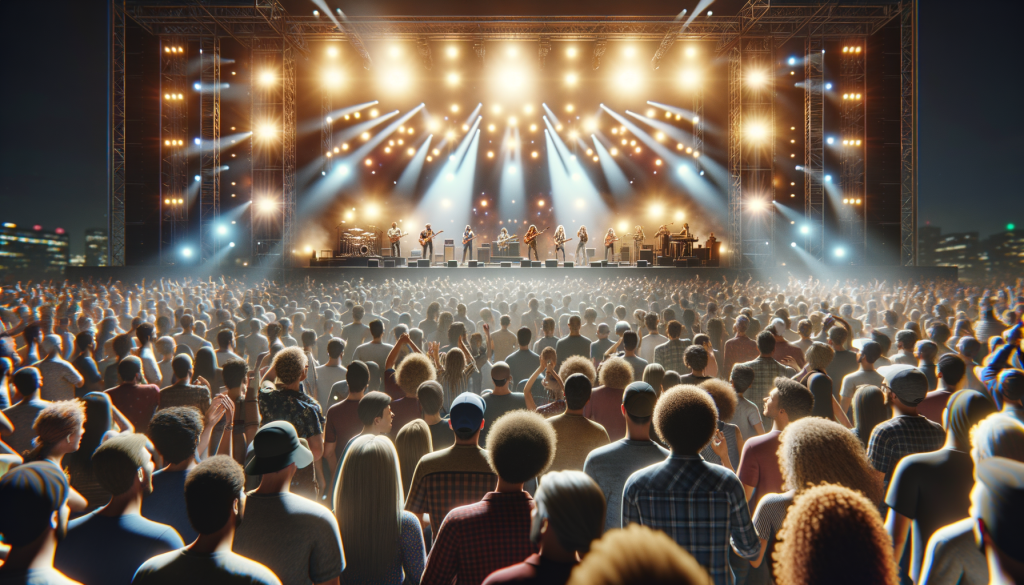

As you step into the world of live events, you may notice a transformative force at play—artificial intelligence (AI). This technology is not just a buzzword; it is reshaping how events are conceived, executed, and experienced. From the planning stages to post-event analysis, AI is becoming an integral part of the event landscape.
It offers innovative solutions that enhance attendee engagement, streamline operations, and provide valuable insights. As you navigate this evolving terrain, understanding the role of AI in live events can empower you to create more impactful experiences. The integration of AI into live events is not merely about automation; it’s about enhancing human connection.
Imagine attending a conference where the content is tailored to your interests, or a festival that uses AI to optimize crowd management. These scenarios are becoming increasingly common as event organizers leverage AI to create personalized and efficient experiences. By embracing this technology, you can elevate your events to new heights, ensuring that they resonate with attendees on a deeper level.
Key Takeaways
- AI enhances accessibility and engagement in both virtual and hybrid live events.
- Personalized attendee experiences are driven by AI-powered engagement tools.
- AI enables deeper data analysis, providing valuable insights for event optimization.
- Event marketing and promotion benefit from AI-driven targeting and automation.
- Integrating AI requires addressing challenges like privacy, technical complexity, and user adoption.
Virtual Experiences: Enhancing Event Accessibility with AI
In an era where virtual experiences have gained unprecedented popularity, AI plays a crucial role in making events more accessible. You might find yourself attending a conference from the comfort of your home, thanks to AI-driven platforms that facilitate seamless virtual interactions. These platforms utilize machine learning algorithms to analyze user behavior and preferences, allowing for a more tailored experience.
For instance, AI can recommend sessions based on your interests or connect you with like-minded attendees, fostering networking opportunities that might have otherwise been missed. Moreover, AI enhances accessibility for individuals with disabilities. Features such as real-time captioning and translation services powered by AI ensure that everyone can participate fully in an event.
This inclusivity not only broadens your audience but also enriches the overall experience for all attendees. By prioritizing accessibility through AI, you can create an environment where everyone feels welcome and valued, ultimately leading to a more successful event.
Hybrid Campaigns: Integrating AI into In-Person and Virtual Events

As you explore the concept of hybrid events—where in-person and virtual elements coexist—you’ll discover that AI is essential for their success. The challenge lies in creating a cohesive experience that engages both physical and digital attendees. AI can help bridge this gap by providing real-time data analytics that inform decision-making during the event.
For example, if you notice that virtual attendees are particularly interested in a specific session, you can adjust the agenda or enhance the content to cater to their preferences. Additionally, AI can facilitate interactive elements that engage both audiences simultaneously. Imagine using AI-driven chatbots to answer questions from both in-person and virtual attendees in real time.
This not only enhances engagement but also ensures that no one feels left out of the conversation. By integrating AI into your hybrid campaigns, you can create a dynamic environment that fosters interaction and connection across all platforms.
AI-Powered Engagement: Personalizing Experiences for Attendees
Personalization is key to creating memorable experiences at live events, and AI is your ally in achieving this goal. By analyzing attendee data, AI can help you understand individual preferences and behaviors, allowing you to tailor content and interactions accordingly. For instance, if you know that a particular attendee has shown interest in specific topics or speakers, you can send them personalized recommendations or exclusive invitations to related sessions.
This level of customization not only enhances their experience but also increases the likelihood of their continued engagement. Furthermore, AI can facilitate interactive experiences that resonate with attendees on a personal level. Consider using AI-driven gamification elements that adapt to individual preferences, creating a unique journey for each participant.
Whether it’s through personalized challenges or curated networking opportunities, these tailored experiences foster deeper connections among attendees. By harnessing the power of AI for engagement, you can create an event atmosphere that feels intimate and relevant to each individual.
The Role of AI in Event Data Analysis and Insights
Data is the backbone of successful event planning and execution, and AI is revolutionizing how you analyze this information. With vast amounts of data generated before, during, and after an event, it can be overwhelming to sift through it all manually. However, AI algorithms can process this data quickly and efficiently, providing you with actionable insights that inform future strategies.
For example, by analyzing attendee feedback and engagement metrics, you can identify trends and areas for improvement. Moreover, predictive analytics powered by AI can help you forecast attendance patterns and preferences for future events. By understanding what worked well in past events, you can make informed decisions about content, marketing strategies, and logistics.
This data-driven approach not only enhances your planning process but also increases the likelihood of delivering successful events that meet attendee expectations.
Leveraging AI for Event Marketing and Promotion

In the competitive landscape of event marketing, standing out is essential, and AI offers innovative solutions to help you do just that. By utilizing AI-driven tools for audience segmentation and targeting, you can create highly personalized marketing campaigns that resonate with potential attendees. For instance, machine learning algorithms can analyze past attendee behavior to identify patterns and preferences, allowing you to tailor your messaging accordingly.
Additionally, AI can optimize your promotional efforts by predicting which channels will yield the best results for your target audience. Whether it’s social media advertising or email marketing, AI can help you allocate resources effectively to maximize reach and engagement. By leveraging these advanced marketing techniques powered by AI, you can enhance your event’s visibility and attract a larger audience.
Challenges and Considerations for Integrating AI into Live Events
While the benefits of integrating AI into live events are substantial, there are also challenges to consider. One significant concern is data privacy and security. As you collect and analyze attendee data to enhance experiences, it’s crucial to ensure that this information is handled responsibly and ethically.
Implementing robust security measures and being transparent about data usage will help build trust with your audience. Another challenge lies in the potential for over-reliance on technology. While AI can enhance many aspects of event planning and execution, it’s essential to maintain a human touch in your interactions with attendees.
Striking the right balance between automation and personal engagement will ensure that your events remain authentic and meaningful. By addressing these challenges thoughtfully, you can harness the power of AI while preserving the core values of human connection.
The Future of AI and Live Events: Trends and Opportunities
As you look ahead to the future of live events, the role of AI will only continue to expand. Emerging trends such as augmented reality (AR) and virtual reality (VR) are set to revolutionize how attendees experience events. Imagine walking through a virtual exhibition hall where AI curates personalized content based on your interests or participating in immersive experiences that blend physical and digital elements seamlessly.
Moreover, as technology evolves, so too will the capabilities of AI in event management. From advanced predictive analytics to enhanced personalization features, the opportunities for innovation are vast. By staying informed about these trends and embracing new technologies as they emerge, you can position yourself at the forefront of the event industry.
In conclusion, the integration of AI into live events presents a wealth of opportunities for enhancing experiences, improving accessibility, and driving engagement. As you navigate this dynamic landscape, embracing AI will empower you to create memorable events that resonate with attendees long after they conclude. The future is bright for those willing to innovate and adapt in this ever-evolving field.