
# Artificial Intelligence in Paid Advertising
Artificial intelligence has fundamentally transformed digital advertising strategies. AI enables businesses to reach target audiences with greater precision and efficiency by leveraging machine learning algorithms and data analytics to optimize ad campaigns. This technology automates routine processes and improves decision-making, allowing marketers to concentrate on creative development while systems handle complex optimization tasks.
AI’s primary advantage in paid advertising lies in its capacity to process large datasets in real-time. The technology identifies trends and patterns by analyzing user behavior, demographic information, and engagement metrics. This analysis determines which advertisements perform best with specific audience segments.
Data-driven insights enable more effective budget allocation and improved return on investment (ROI) across campaigns. Understanding AI’s applications in paid advertising has become essential for maintaining competitiveness in digital markets. As advertising platforms increasingly incorporate AI capabilities, marketers who effectively utilize these tools gain significant advantages in campaign performance and resource efficiency.
Key Takeaways
- AI enhances audience targeting by analyzing data to reach the most relevant users.
- AI tools improve ad creatives and copywriting for more engaging content.
- Automated bidding strategies powered by AI optimize ad spend efficiency.
- AI enables personalized ad campaigns tailored to individual user preferences.
- Integrating AI with marketing tools streamlines performance analysis and reporting.
Leveraging AI for Audience Targeting
One of the most significant advantages of AI in paid advertising is its ability to enhance audience targeting. In my experience, traditional methods of audience segmentation often fall short, relying on broad demographics or general interests. However, AI allows me to create highly specific audience profiles based on a multitude of factors, including online behavior, purchase history, and even social media interactions.
By leveraging these insights, I can tailor my ad campaigns to reach individuals who are most likely to engage with my brand. Moreover, AI-driven tools enable me to implement predictive analytics, which helps me anticipate future consumer behavior. For example, by analyzing past interactions and engagement patterns, I can identify potential customers who may be interested in my products or services before they even realize it themselves.
This proactive approach not only increases the likelihood of conversion but also fosters a more personalized experience for users. As I refine my audience targeting strategies with AI, I find that my campaigns become more effective, leading to higher engagement rates and improved overall performance.
Utilizing AI for Ad Creatives and Copywriting
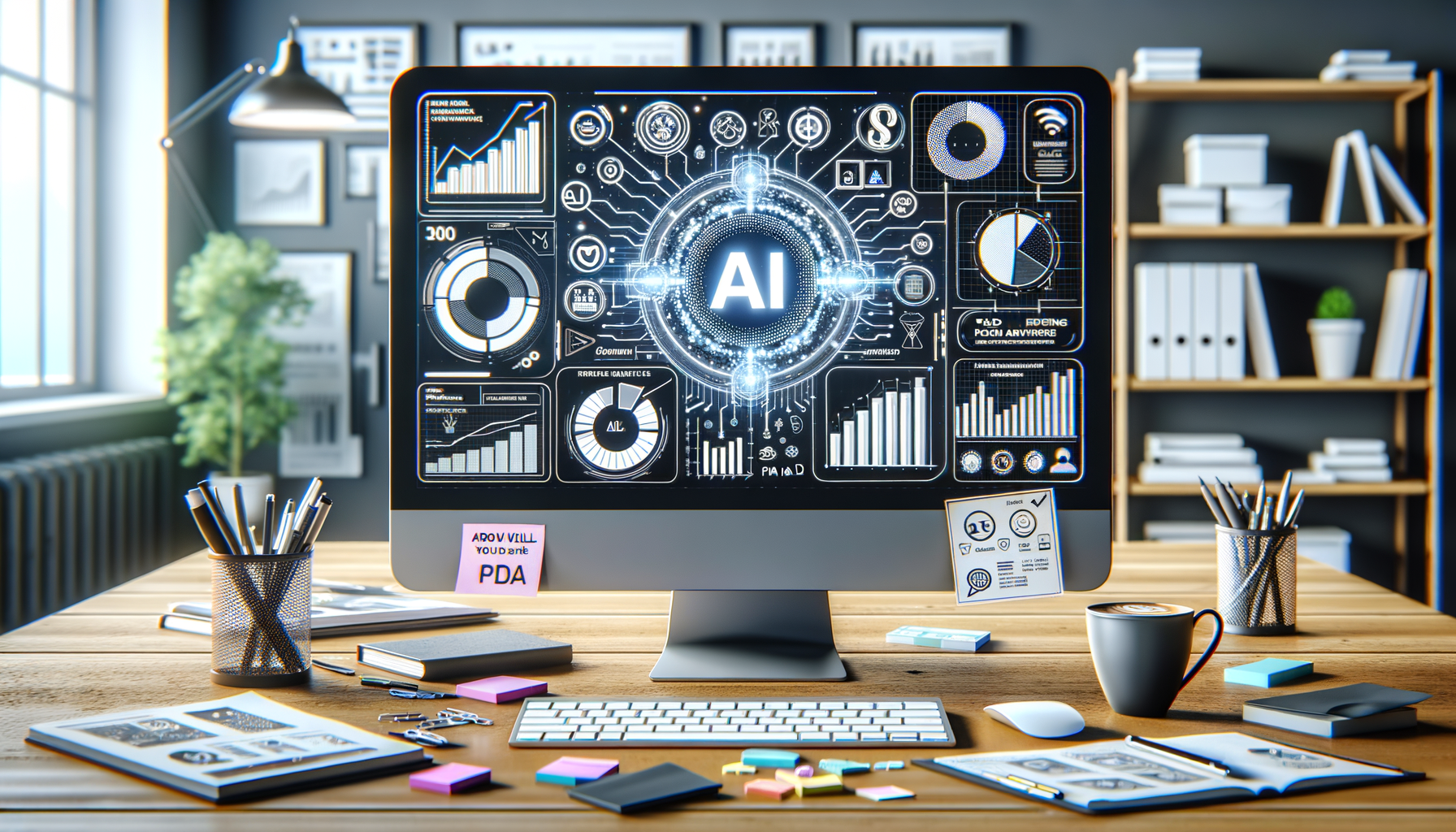
Creating compelling ad creatives and copy is an essential aspect of any successful advertising campaign. In my journey through digital marketing, I’ve discovered that AI can significantly enhance this process. With the help of AI-powered tools, I can generate creative ideas and even draft ad copy that resonates with my target audience.
These tools analyze successful ads across various platforms and industries, providing me with insights into what works and what doesn’t. Additionally, AI can assist me in A/B testing different ad variations more efficiently. By automatically generating multiple versions of an ad and analyzing their performance in real-time, I can quickly identify which elements resonate best with my audience.
This iterative process not only saves me time but also ensures that my ads are continuously optimized for maximum impact. As I embrace AI in my creative processes, I find that I can focus more on strategy and innovation while relying on technology to handle the more mundane aspects of ad creation.
Optimizing Ad Bidding with AI
Ad bidding is a critical component of any paid advertising strategy, and AI has revolutionized how I approach this task. In the past, I often relied on manual bidding strategies that required constant monitoring and adjustments based on performance metrics. However, with AI-driven bidding solutions, I can automate this process and let algorithms determine the optimal bid amounts based on real-time data analysis.
These AI systems take into account various factors such as competition, user behavior, and historical performance to make informed bidding decisions. This not only saves me time but also maximizes my ad spend efficiency. For instance, if a particular keyword or audience segment is performing exceptionally well, the AI can automatically increase bids to capitalize on that opportunity.
Conversely, if certain ads are underperforming, the system can adjust bids downward to minimize wasted spend. As I integrate AI into my bidding strategies, I find that my campaigns become more agile and responsive to market changes.
Personalizing Ad Campaigns with AI
Personalization has become a buzzword in marketing, and for good reason. In my experience, consumers are more likely to engage with ads that feel tailored to their individual preferences and needs. AI plays a pivotal role in enabling me to create personalized ad campaigns at scale.
By analyzing user data and behavior patterns, I can deliver highly relevant content that speaks directly to each individual’s interests. For example, if I know that a segment of my audience has shown interest in a specific product category, I can create targeted ads that highlight those products while incorporating personalized messaging. This level of customization not only enhances user experience but also drives higher conversion rates.
As I continue to leverage AI for personalization, I am constantly reminded of the importance of understanding my audience on a deeper level and delivering value through relevant advertising.
Analyzing and Reporting on Ad Performance with AI
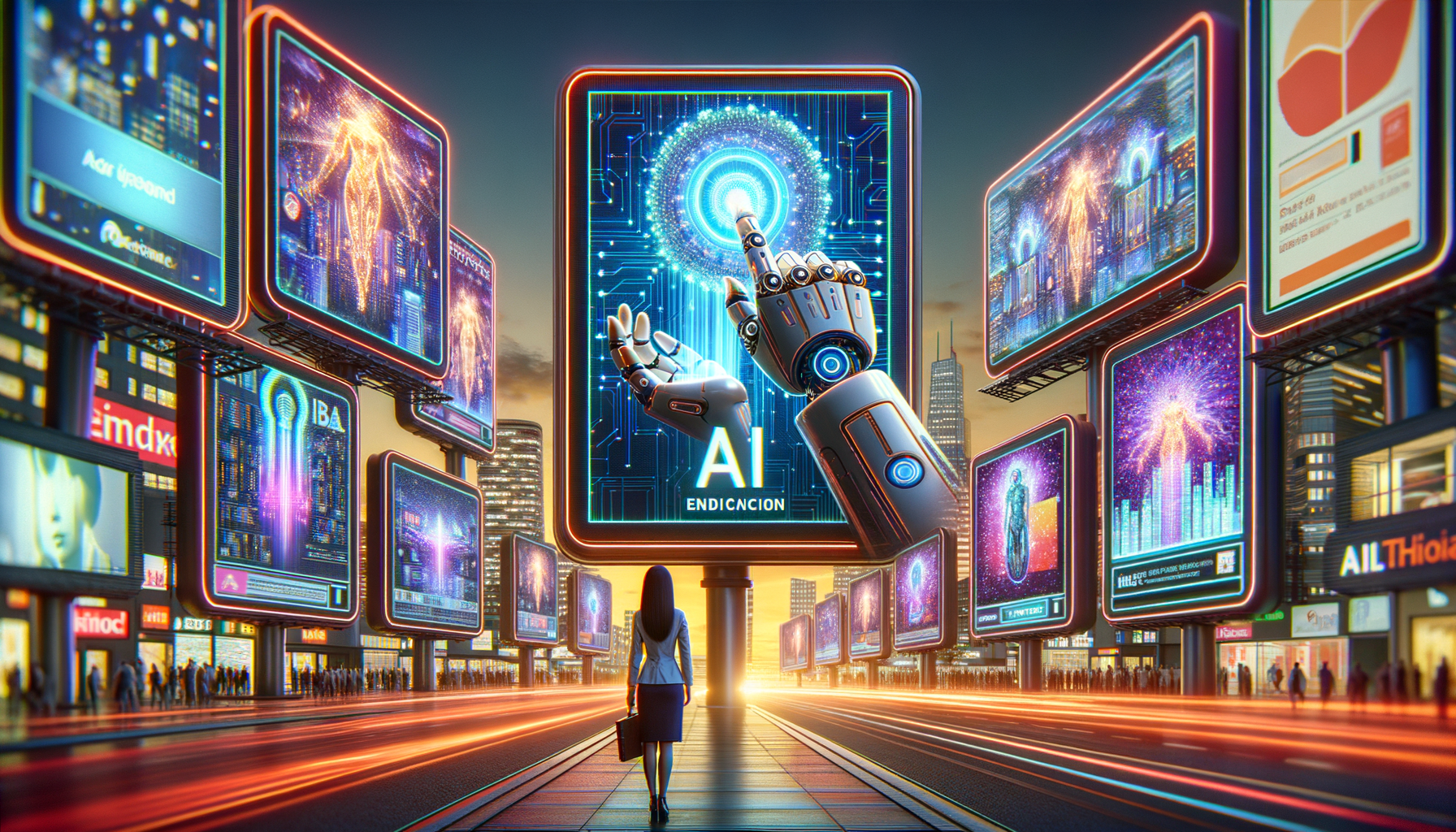
The ability to analyze and report on ad performance is crucial for refining my advertising strategies over time. In the past, compiling performance reports was a labor-intensive process that often involved sifting through spreadsheets and manually calculating key metrics. However, with the advent of AI-powered analytics tools, I can now access real-time insights that provide a comprehensive view of my campaign performance.
These tools utilize machine learning algorithms to identify trends and anomalies in my data, allowing me to make informed decisions quickly. For instance, if an ad is underperforming, AI can help me pinpoint the specific factors contributing to its lackluster results—be it targeting issues or creative shortcomings. This level of analysis enables me to pivot my strategies effectively and allocate resources where they will have the most significant impact.
As I embrace AI in my reporting processes, I find that I am better equipped to optimize my campaigns continuously.
Integrating AI with Other Marketing Tools
As I navigate the complexities of digital marketing, I’ve come to realize the importance of integrating AI with other marketing tools in my tech stack. By combining AI capabilities with customer relationship management (CRM) systems, email marketing platforms, and social media management tools, I can create a cohesive marketing ecosystem that enhances overall performance. For example, integrating AI-driven insights from my ad campaigns with my CRM allows me to segment customers more effectively based on their interactions with my brand across various touchpoints.
This holistic view enables me to craft targeted email campaigns that align with users’ interests and behaviors. Additionally, by connecting AI analytics with social media management tools, I can monitor engagement metrics in real-time and adjust my content strategy accordingly. As I continue to explore these integrations, I find that they empower me to create more cohesive and effective marketing strategies.
Best Practices for Using AI in Paid Ads
As I reflect on my journey with AI in paid advertising, I’ve identified several best practices that have proven invaluable in maximizing its potential. First and foremost, it’s essential to maintain a human touch in all aspects of advertising—even when leveraging advanced technology like AI. While algorithms can provide valuable insights and automate processes, understanding the emotional nuances of consumer behavior remains crucial for crafting compelling messages.
Additionally, continuous learning is vital in this rapidly evolving landscape. Staying updated on the latest advancements in AI technology and digital marketing trends allows me to adapt my strategies accordingly. Regularly testing new tools and techniques ensures that I’m not only keeping pace with industry changes but also discovering innovative ways to enhance my campaigns.
Finally, collaboration is key when integrating AI into paid advertising efforts. Working closely with data analysts and tech teams helps me leverage their expertise while ensuring that I’m making informed decisions based on accurate data interpretations. By fostering a culture of collaboration within my organization, I can harness the full potential of AI while driving meaningful results in my advertising campaigns.
In conclusion, as I continue to explore the dynamic relationship between AI and paid advertising, I’m excited about the possibilities that lie ahead. By leveraging AI for audience targeting, ad creatives, bidding optimization, personalization, performance analysis, integration with other tools, and adhering to best practices, I’m confident that I can elevate my advertising strategies to new heights. The future of digital marketing is undoubtedly intertwined with artificial intelligence, and I’m eager to embrace this transformative journey.
If you’re looking to enhance your paid advertising strategies with AI, you might also find it beneficial to read about common pitfalls in marketing. The article on top marketing mistakes to avoid for business success provides valuable insights that can help you refine your approach and maximize the effectiveness of your campaigns. Understanding these mistakes can complement your use of AI in creating smarter ads.