

As you delve into the world of AI-first marketing operations, it’s essential to grasp the foundational concepts that underpin this innovative approach. At its core, AI-first marketing leverages artificial intelligence to enhance decision-making, streamline processes, and ultimately drive better results. This paradigm shift is not merely about adopting new technologies; it’s about rethinking how you approach marketing as a whole.
By integrating AI into your operations, you can analyze vast amounts of data, predict customer behavior, and optimize campaigns in real-time, allowing you to stay ahead of the competition. Moreover, understanding the basics of AI-first marketing operations involves recognizing the various components that contribute to its success. From data collection and analysis to automation and personalization, each element plays a crucial role in creating a cohesive strategy.
You must familiarize yourself with machine learning algorithms, natural language processing, and predictive analytics, as these technologies will empower you to make informed decisions. By embracing an AI-first mindset, you position yourself to harness the full potential of these tools, transforming your marketing efforts into a more efficient and effective operation.
Key Takeaways
- Grasp foundational concepts of AI-first marketing operations to enhance campaign effectiveness.
- Select appropriate AI tools tailored to your team’s specific marketing needs.
- Integrate AI-driven strategies into marketing campaigns for improved targeting and personalization.
- Train your team on AI analytics to better interpret data and optimize marketing efforts.
- Foster a culture of adaptability to stay ahead in the evolving AI marketing landscape.
Identifying the Right AI Tools for Your Team
Once you have a solid understanding of AI-first marketing operations, the next step is identifying the right AI tools that align with your team’s goals and capabilities. The market is flooded with various AI solutions, each offering unique features and benefits. To make an informed choice, you should start by assessing your specific needs.
Consider what challenges your team faces and what objectives you aim to achieve. Whether it’s improving customer segmentation, automating content creation, or enhancing data analysis, pinpointing your requirements will guide you in selecting the most suitable tools. In addition to evaluating your needs, it’s crucial to consider the usability and integration capabilities of the AI tools you’re exploring.
You want solutions that not only fit seamlessly into your existing workflows but also empower your team to leverage their full potential without extensive training. Look for platforms that offer user-friendly interfaces and robust support resources. Furthermore, consider scalability; as your marketing operations grow, your chosen tools should be able to adapt and evolve alongside your team’s expanding needs.
Implementing AI-First Strategies in Marketing Campaigns
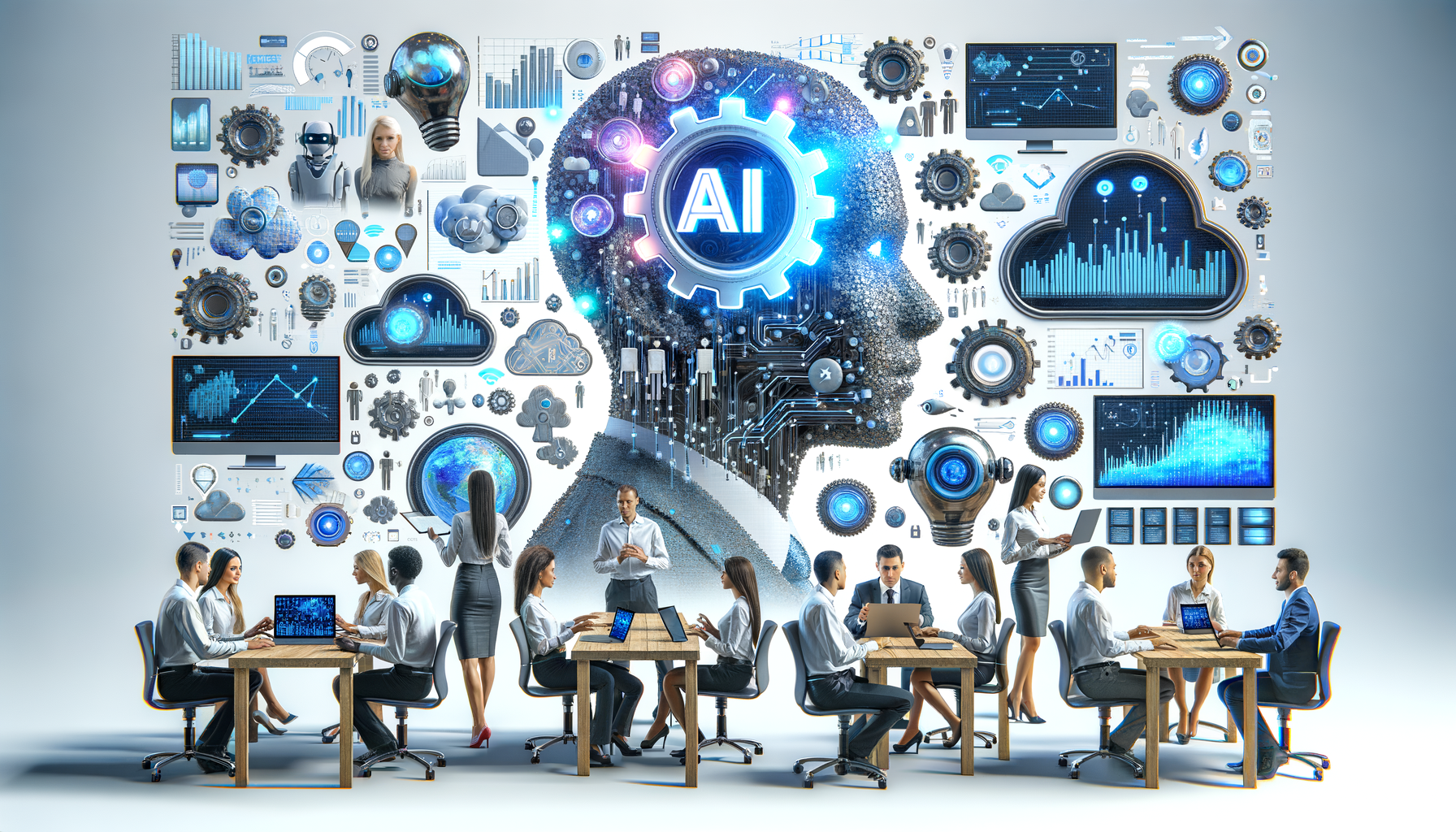
With the right tools in hand, you can begin implementing AI-first strategies in your marketing campaigns. This process involves integrating AI technologies into various aspects of your campaigns, from planning and execution to analysis and optimization. Start by utilizing AI for data-driven insights that inform your campaign strategies.
By analyzing customer behavior patterns and preferences, you can create targeted messaging that resonates with your audience on a deeper level. Additionally, automation plays a significant role in executing AI-first strategies. By automating repetitive tasks such as email marketing or social media posting, you free up valuable time for your team to focus on more strategic initiatives.
This not only enhances efficiency but also allows for real-time adjustments based on performance metrics. As you implement these strategies, remember to continuously monitor their effectiveness and be prepared to pivot as needed. The beauty of an AI-first approach lies in its adaptability; by leveraging data insights, you can refine your campaigns for optimal results.
Training Your Team on AI-First Marketing Analytics
As you embrace an AI-first approach, investing in training for your team becomes paramount. Understanding how to interpret and utilize AI-driven analytics is essential for maximizing the benefits of this technology. Begin by providing comprehensive training sessions that cover the fundamentals of AI analytics, including how to read data reports and derive actionable insights from them.
Encourage your team members to ask questions and engage in discussions about how these insights can inform their marketing strategies. Moreover, consider fostering a culture of continuous learning within your organization. The landscape of AI is constantly evolving, and staying updated on the latest trends and technologies is crucial for maintaining a competitive edge.
Encourage your team to participate in workshops, webinars, or online courses focused on AI in marketing. By equipping them with the knowledge and skills necessary to navigate this new terrain, you empower them to make data-driven decisions that enhance overall campaign performance.
Creating a Culture of Adaptability and Learning
In an era where technology is advancing at an unprecedented pace, creating a culture of adaptability and learning within your organization is vital. An AI-first marketing approach requires flexibility; as new tools and methodologies emerge, your team must be willing to embrace change and experiment with innovative strategies. Encourage open communication and collaboration among team members to foster an environment where ideas can be shared freely.
This collaborative spirit will not only enhance creativity but also promote a sense of ownership over the marketing initiatives. Additionally, celebrate successes and learn from failures as part of this culture. When your team achieves positive results through AI-driven strategies, recognize their efforts and share those wins across the organization.
Conversely, when campaigns don’t perform as expected, use those experiences as learning opportunities rather than setbacks. By cultivating a mindset that values growth and experimentation, you position your team to thrive in an ever-changing marketing landscape.
Leveraging AI for Personalization and Customer Experience

One of the most significant advantages of adopting an AI-first approach is the ability to enhance personalization and improve customer experience. In today’s market, consumers expect tailored interactions that resonate with their individual preferences and needs. By leveraging AI technologies such as machine learning algorithms and predictive analytics, you can analyze customer data to create highly personalized marketing messages and experiences.
For instance, consider using AI-driven recommendation engines that suggest products or content based on past behaviors and preferences. This level of personalization not only increases engagement but also fosters customer loyalty by making individuals feel valued and understood. Additionally, chatbots powered by natural language processing can provide instant support and assistance to customers, further enhancing their experience with your brand.
By prioritizing personalization through AI, you can create meaningful connections with your audience that drive long-term success.
Monitoring and Measuring the Impact of AI-First Marketing
As you implement AI-first strategies in your marketing operations, it’s crucial to establish a robust framework for monitoring and measuring their impact. Data-driven insights are at the heart of an AI-first approach; therefore, tracking key performance indicators (KPIs) will help you assess the effectiveness of your campaigns. Identify relevant metrics that align with your objectives—whether it’s conversion rates, customer engagement levels, or return on investment (ROI)—and set up systems for regular reporting.
Moreover, utilize advanced analytics tools to gain deeper insights into campaign performance over time. By analyzing trends and patterns in the data, you can identify areas for improvement and make informed decisions about future strategies. Regularly review these insights with your team to foster a culture of accountability and continuous improvement.
The ability to adapt based on real-time data will not only enhance your marketing efforts but also position your organization as a leader in leveraging AI for success.
Adapting and Evolving with the Changing Landscape of AI in Marketing Operations
The landscape of AI in marketing operations is continually evolving; therefore, staying ahead requires a commitment to adaptation and evolution. As new technologies emerge and consumer behaviors shift, it’s essential to remain agile in your approach. Regularly assess the effectiveness of your current strategies and be open to experimenting with new tools or methodologies that may enhance your operations.
Additionally, keep an eye on industry trends and advancements in AI technology. Engaging with thought leaders through conferences or online forums can provide valuable insights into emerging best practices. By fostering a mindset of curiosity and exploration within your team, you can ensure that your organization remains at the forefront of innovation in marketing operations.
Embracing change as an opportunity rather than a challenge will empower you to navigate the complexities of an ever-evolving landscape successfully. In conclusion, adopting an AI-first approach in marketing operations is not just about technology; it’s about transforming how you think about marketing as a whole. By understanding the basics of AI-first strategies, identifying the right tools for your team, implementing effective campaigns, training staff on analytics, fostering adaptability, leveraging personalization, monitoring impact, and evolving with industry changes, you position yourself for success in this dynamic field.
Embrace this journey with an open mind and a willingness to learn; the rewards will be well worth the effort.