
Artificial intelligence has significantly transformed communication across multiple sectors. AI technologies facilitate connections between individuals and organizations through various applications, including chatbots that deliver immediate responses and algorithms that analyze sentiment in social media content. These tools have improved communication efficiency and effectiveness by automating routine tasks and processing large datasets to identify patterns and trends.
AI also enables personalized communication through machine learning algorithms that customize messages based on audience preferences and behavioral data. This customization increases engagement rates and strengthens relationships between organizations and their audiences. Businesses use AI-driven communication strategies to deliver targeted messages that align with specific demographic characteristics, resulting in improved customer loyalty and competitive advantage in crowded markets.
Key Takeaways
- AI enhances communication by automating and optimizing interactions.
- Customer service benefits from AI through faster, personalized responses.
- AI enables tailored content that resonates with individual audiences.
- Data analysis with AI supports informed and strategic decision-making.
- Successful AI use balances automation efficiency with genuine human engagement.
Incorporating AI in Customer Service
In my experience, the integration of AI into customer service has revolutionized the way businesses interact with their clients. Gone are the days when customers had to wait on hold for extended periods or navigate through complex phone menus. Today, AI-powered chatbots and virtual assistants provide immediate assistance, addressing inquiries and resolving issues in real time.
This shift not only enhances customer satisfaction but also allows companies to allocate human resources to more complex tasks that require empathy and critical thinking. I have observed that the implementation of AI in customer service also leads to significant cost savings for businesses. By automating routine inquiries, companies can reduce the need for large customer service teams while still maintaining a high level of service quality.
Additionally, AI systems can operate around the clock, ensuring that customers receive support whenever they need it. This 24/7 availability is particularly beneficial in a globalized market where customers may be located in different time zones. As I reflect on these advancements, I recognize that while AI can handle many aspects of customer service, the human element remains essential for building trust and rapport.
Personalizing AI-Driven Content
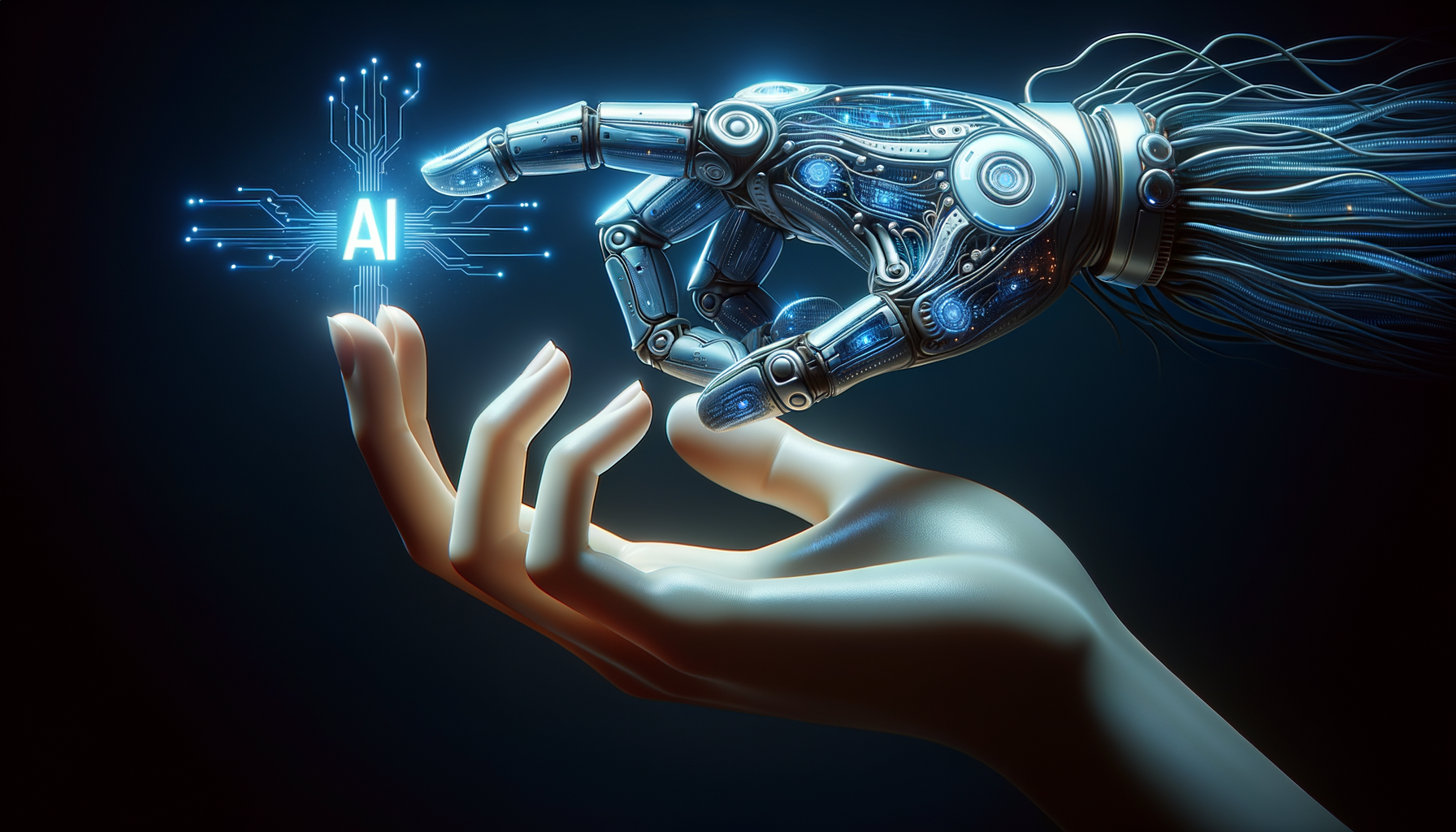
The personalization of content through AI is another area where I see immense potential. In an age where consumers are bombarded with information, delivering tailored content can significantly enhance user experience. AI algorithms analyze user behavior, preferences, and demographics to curate content that resonates with individual users.
I find it remarkable how platforms like Netflix and Spotify utilize these technologies to recommend shows or music based on my previous choices, creating a more engaging experience. Furthermore, personalized content extends beyond entertainment; it plays a crucial role in marketing strategies as well. By understanding customer preferences, businesses can create targeted campaigns that speak directly to their audience’s needs and desires.
I have seen how companies leverage AI to segment their audience effectively, allowing them to deliver relevant messages at the right time. This level of personalization not only increases conversion rates but also fosters brand loyalty as customers feel understood and valued.
Utilizing AI for Data Analysis and Decision Making
In my professional journey, I have come to appreciate the power of AI in data analysis and decision-making processes. The sheer volume of data generated today can be overwhelming, making it challenging for organizations to extract meaningful insights. However, AI excels at processing large datasets quickly and accurately, identifying trends and anomalies that might go unnoticed by human analysts.
This capability allows me to make informed decisions based on data-driven insights rather than relying solely on intuition. Moreover, AI’s predictive analytics capabilities are particularly valuable in strategic planning. By analyzing historical data and current market trends, AI can forecast future outcomes with remarkable accuracy.
I have witnessed organizations use these insights to optimize their operations, improve product offerings, and enhance customer experiences. The ability to anticipate market shifts and consumer behavior gives businesses a competitive edge in an ever-evolving landscape. As I reflect on these advancements, I recognize that while AI provides powerful tools for analysis, human judgment remains crucial in interpreting results and making final decisions.
Balancing Automation and Human Touch
As I explore the integration of AI into various aspects of business, I am constantly reminded of the importance of balancing automation with the human touch. While AI can streamline processes and enhance efficiency, it cannot replicate the empathy and understanding that human interactions provide. In my experience, customers often seek genuine connections with brands, especially when dealing with sensitive issues or complex inquiries.
Therefore, it is essential for businesses to find a harmonious blend between automated solutions and human engagement. I have seen organizations succeed by implementing a hybrid approach to customer interactions. For instance, while chatbots can handle routine inquiries, human agents are available for more nuanced conversations that require emotional intelligence.
This strategy not only improves customer satisfaction but also empowers employees by allowing them to focus on higher-value tasks. As I navigate this landscape, I recognize that the future of communication lies in leveraging AI’s strengths while preserving the authenticity and warmth that only humans can provide.
Integrating AI into Marketing Strategies
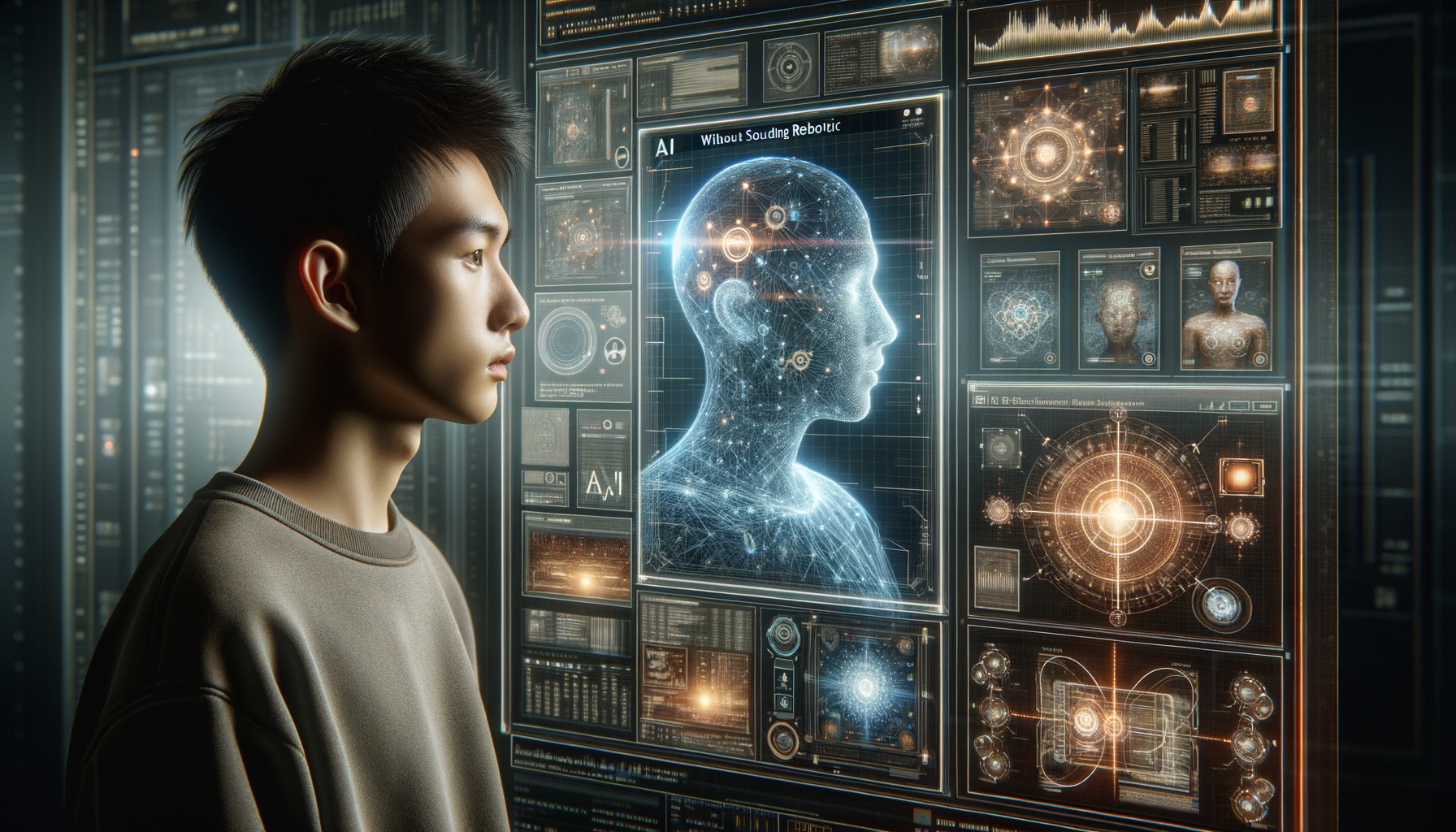
The integration of AI into marketing strategies has become a game-changer for businesses looking to enhance their outreach efforts. In my observations, AI-driven tools enable marketers to analyze consumer behavior more effectively than ever before. By leveraging data analytics, businesses can identify trends and preferences that inform their marketing campaigns.
This level of insight allows me to create targeted strategies that resonate with specific audiences, ultimately driving higher engagement rates. Additionally, AI facilitates real-time optimization of marketing efforts. I have witnessed how machine learning algorithms can analyze campaign performance on-the-fly, adjusting parameters to maximize effectiveness.
This agility is particularly valuable in today’s fast-paced digital landscape where consumer preferences can shift rapidly. By harnessing the power of AI, marketers can stay ahead of the curve, ensuring their messages remain relevant and impactful. As I reflect on these advancements, I recognize that integrating AI into marketing strategies not only enhances efficiency but also fosters deeper connections with consumers.
Leveraging AI for Product Development and Innovation
In my journey through various industries, I have seen how AI plays a pivotal role in product development and innovation. The ability to analyze consumer feedback and market trends allows organizations to identify gaps in the market and develop products that meet evolving needs. I find it fascinating how companies can leverage AI-driven insights to streamline their research and development processes, reducing time-to-market for new products.
Moreover, AI facilitates iterative design processes by simulating user interactions and predicting outcomes based on various design choices. This capability enables teams to refine their products before launch, minimizing the risk of failure in the marketplace. I have witnessed organizations embrace this approach, resulting in innovative solutions that resonate with consumers on a deeper level.
As I reflect on these advancements, I recognize that leveraging AI for product development not only enhances efficiency but also fosters a culture of innovation within organizations.
Maintaining Authenticity in AI-Driven Communication
As I navigate the complexities of AI-driven communication, I am acutely aware of the importance of maintaining authenticity. In an era where consumers are increasingly skeptical of automated interactions, it is crucial for brands to ensure that their messaging remains genuine and relatable. I have seen firsthand how organizations that prioritize authenticity in their communication build stronger relationships with their audiences.
To achieve this balance, businesses must be transparent about their use of AI technologies while emphasizing the human elements behind their brand. I believe that sharing stories about the people who drive a company’s mission can create a sense of connection that transcends automated interactions. Additionally, incorporating feedback loops where customers can share their experiences helps organizations refine their approaches while demonstrating a commitment to listening and adapting.
In conclusion, as I reflect on the multifaceted role of AI in communication, I recognize its potential to enhance efficiency, personalization, and innovation across various sectors. However, it is essential to strike a balance between automation and the human touch to maintain authenticity in our interactions. By embracing these principles, I believe we can harness the power of AI while fostering meaningful connections with our audiences.
For those looking to enhance their understanding of AI applications in a more human-centric way, you might find the article on affiliate marketing particularly insightful. It offers a comprehensive guide on how to leverage automation in your online business without losing the personal touch. Check it out here: Level the Playing Field: The Step-by-Step Guide to Earning Online with Affiliate Marketing and Automation.