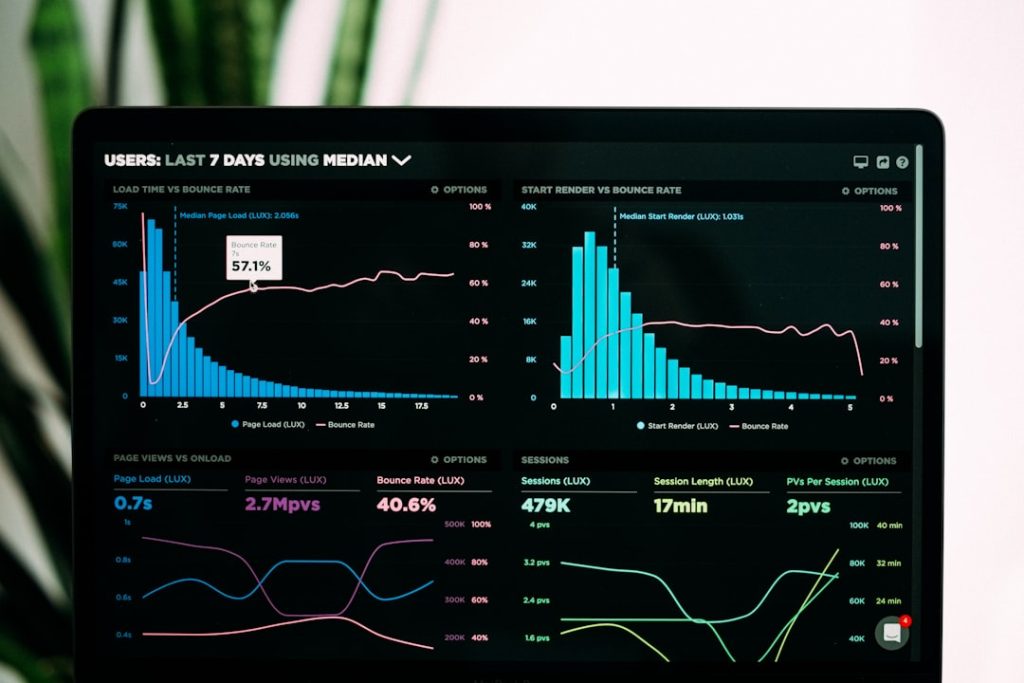

As I delve into the world of data-driven marketing, I find it fascinating how this approach has transformed the landscape of advertising and customer engagement. At its core, data-driven marketing is the practice of using data to inform and optimize marketing strategies. This means that rather than relying solely on intuition or traditional methods, I can harness the power of data to make informed decisions that resonate with my target audience.
By analyzing customer behavior, preferences, and trends, I can create campaigns that are not only more effective but also more efficient. The mechanics of data-driven marketing are rooted in the collection and analysis of vast amounts of information. This data can come from various sources, including social media interactions, website analytics, customer feedback, and sales figures.
By integrating these data points, I can gain a comprehensive understanding of my audience’s needs and desires. This holistic view allows me to tailor my marketing efforts to meet those needs, ultimately leading to higher engagement rates and improved conversion rates. In essence, data-driven marketing empowers me to make strategic decisions based on evidence rather than guesswork.
Key Takeaways
- Data-driven marketing uses data to make informed decisions and drive marketing strategies.
- Key metrics and KPIs should be aligned with business goals and objectives to measure success.
- Effective data collection and analysis involves gathering relevant data and using tools to derive actionable insights.
- Customer segmentation allows for targeted marketing campaigns based on specific customer groups.
- A/B testing helps optimize marketing strategies by comparing two versions to see which performs better.
- Predictive analytics can anticipate customer behavior and help in making proactive marketing decisions.
- Data-driven insights can be leveraged to create personalized customer experiences and improve customer satisfaction.
- Measuring and evaluating the impact of data-driven marketing strategies is crucial for continuous improvement and success.
Identifying Key Metrics and KPIs for Your Business
In my journey toward effective data-driven marketing, I have learned that identifying key metrics and key performance indicators (KPIs) is crucial. These metrics serve as benchmarks that help me gauge the success of my marketing efforts. For instance, I often focus on metrics such as customer acquisition cost (CAC), customer lifetime value (CLV), and return on investment (ROI).
By tracking these figures, I can assess whether my marketing strategies are yielding the desired results or if adjustments are necessary. Moreover, I recognize that different businesses may prioritize different metrics based on their unique goals and objectives. For example, a brand focused on increasing brand awareness might prioritize metrics like reach and impressions, while a company aiming for sales growth may concentrate on conversion rates and revenue generated.
By aligning my chosen KPIs with my business objectives, I can ensure that my marketing efforts are not only measurable but also meaningful. This alignment allows me to make data-driven decisions that propel my business forward.
Collecting and Analyzing Data Effectively
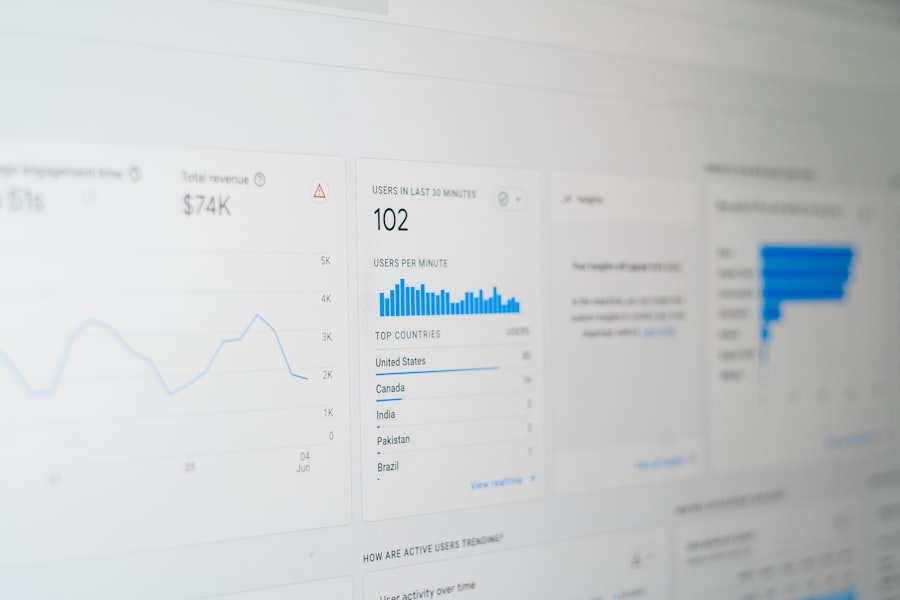
The process of collecting and analyzing data is where the magic of data-driven marketing truly happens. I have discovered that effective data collection requires a strategic approach. Utilizing tools such as Google Analytics, CRM systems, and social media analytics platforms enables me to gather valuable insights about my audience’s behavior.
However, it’s not just about collecting data; it’s about ensuring its quality and relevance. I strive to filter out noise and focus on actionable insights that can drive my marketing strategies. Once I have collected the necessary data, the next step is analysis.
This is where I can uncover patterns and trends that inform my decision-making process. By employing various analytical techniques, such as cohort analysis or regression analysis, I can gain deeper insights into customer behavior. For instance, I might analyze how different segments of my audience respond to specific campaigns or promotions.
This level of analysis allows me to refine my strategies continuously and adapt to changing market dynamics.
Utilizing Customer Segmentation for Targeted Marketing Campaigns
One of the most powerful tools in my data-driven marketing arsenal is customer segmentation. By dividing my audience into distinct groups based on shared characteristics or behaviors, I can create targeted marketing campaigns that resonate with each segment. For example, I might segment my audience based on demographics, purchase history, or engagement levels.
This approach enables me to tailor my messaging and offers to meet the specific needs of each group. The benefits of customer segmentation are manifold. Not only does it enhance the relevance of my marketing efforts, but it also improves overall customer satisfaction.
When customers receive personalized messages that align with their interests and preferences, they are more likely to engage with my brand. Additionally, segmentation allows me to allocate resources more efficiently by focusing on high-potential segments that are more likely to convert. Ultimately, this targeted approach leads to higher conversion rates and a more significant return on investment.
Implementing A/B Testing for Optimization
A/B testing has become an integral part of my data-driven marketing strategy. This method involves comparing two versions of a marketing asset—be it an email, landing page, or ad—to determine which one performs better. By randomly assigning different segments of my audience to each version, I can gather real-time data on their responses.
This process not only helps me identify what resonates with my audience but also allows me to make informed decisions about future campaigns. The beauty of A/B testing lies in its simplicity and effectiveness. For instance, I might test different subject lines in an email campaign to see which one garners higher open rates.
Alternatively, I could experiment with varying call-to-action buttons on a landing page to determine which design leads to more conversions. The insights gained from these tests empower me to optimize my marketing efforts continually. By embracing a culture of experimentation, I can refine my strategies based on concrete evidence rather than assumptions.
Using Predictive Analytics to Anticipate Customer Behavior

As I explore the realm of predictive analytics, I am increasingly captivated by its potential to revolutionize my marketing strategies. Predictive analytics involves using historical data and statistical algorithms to forecast future customer behavior. By analyzing past interactions and trends, I can gain insights into what customers are likely to do next—whether it’s making a purchase, abandoning a cart, or engaging with my content.
This forward-looking approach allows me to be proactive rather than reactive in my marketing efforts. For example, if predictive analytics indicates that a particular segment is likely to churn based on their recent behavior, I can implement targeted retention strategies before they disengage completely. Additionally, predictive analytics can help me identify upsell or cross-sell opportunities by recognizing patterns in customer purchasing behavior.
By anticipating customer needs, I can create tailored experiences that foster loyalty and drive revenue growth.
Leveraging Data-Driven Insights for Personalized Customer Experiences
In today’s competitive landscape, personalization has become a key differentiator for brands seeking to connect with their audiences meaningfully. Leveraging data-driven insights allows me to create personalized customer experiences that resonate deeply with individuals. By analyzing customer preferences and behaviors, I can tailor my messaging, product recommendations, and offers to align with each customer’s unique journey.
For instance, if I notice that a segment of my audience frequently purchases eco-friendly products, I can curate targeted campaigns highlighting sustainable options in my inventory. Similarly, by utilizing past purchase history, I can send personalized follow-up emails suggesting complementary products or exclusive discounts tailored to their interests. This level of personalization not only enhances customer satisfaction but also fosters brand loyalty as customers feel valued and understood.
Measuring and Evaluating the Impact of Data-Driven Marketing Strategies
Finally, measuring and evaluating the impact of my data-driven marketing strategies is essential for continuous improvement. By regularly reviewing performance metrics and KPIs, I can assess the effectiveness of my campaigns and identify areas for enhancement. This ongoing evaluation process allows me to pivot quickly when something isn’t working or double down on strategies that yield positive results.
I often utilize dashboards and reporting tools to visualize key metrics over time. This visual representation helps me track trends and make informed decisions based on real-time data. Additionally, gathering feedback from customers through surveys or reviews provides qualitative insights that complement the quantitative data I collect.
By combining these perspectives, I can develop a comprehensive understanding of how my marketing efforts impact customer behavior and overall business performance. In conclusion, embracing data-driven marketing has transformed the way I approach my strategies and engage with customers. From understanding the fundamentals of data-driven marketing to leveraging advanced techniques like predictive analytics and A/B testing, each step has contributed to a more informed and effective marketing approach.
As I continue to refine my strategies based on data-driven insights, I am excited about the potential for growth and success in an ever-evolving digital landscape.
In the realm of data-driven marketing, making informed decisions is crucial for success. For those looking to enhance their marketing strategies, the article on top marketing mistakes to avoid for business success provides valuable insights that complement the principles discussed in “How to Use Data-Driven Marketing to Make Smarter Decisions.” By understanding common pitfalls, marketers can leverage data more effectively to optimize their campaigns and achieve better results.