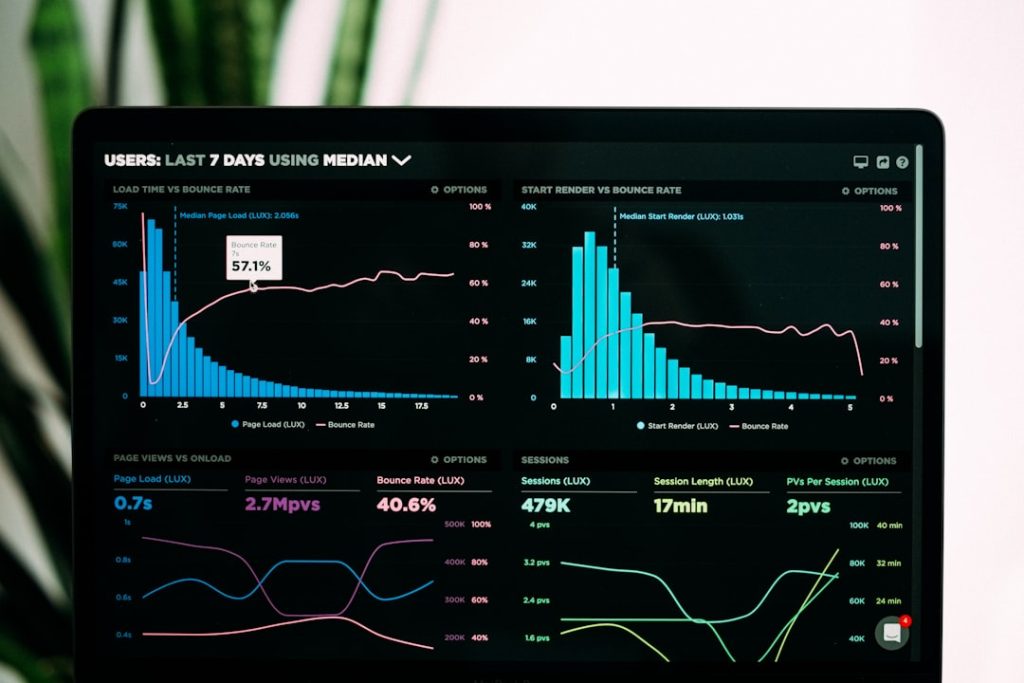

As I delve into the world of analytics, I find it essential to grasp the foundational concepts that underpin this field. Analytics, at its core, is the systematic computational analysis of data. It allows me to extract meaningful insights from raw information, transforming numbers into narratives that can guide my business decisions.
By understanding the basics, I can better appreciate how data can illuminate patterns, trends, and correlations that might otherwise go unnoticed. This foundational knowledge empowers me to leverage analytics effectively, ensuring that I am not just collecting data but also interpreting it in a way that drives my business forward. Moreover, I recognize that analytics is not a one-size-fits-all approach.
Different types of analytics serve various purposes, such as descriptive analytics, which helps me understand what has happened in the past; diagnostic analytics, which explains why certain events occurred; predictive analytics, which forecasts future outcomes; and prescriptive analytics, which suggests actions to achieve desired results. By familiarizing myself with these categories, I can tailor my analytical strategies to suit my specific business needs, ultimately enhancing my decision-making process and fostering growth.
Key Takeaways
- Analytics is the process of analyzing data to make informed business decisions.
- Setting clear goals for your online business is crucial for measuring success.
- Choosing the right analytics tools is essential for tracking and analyzing key metrics.
- Tracking and analyzing key metrics helps in understanding customer behavior and business performance.
- Using data to make informed business decisions can lead to better marketing and sales strategies.
Setting Clear Goals for Your Online Business
Establishing clear goals is a critical step in my journey as an online business owner. Without well-defined objectives, I risk wandering aimlessly in a sea of data without a clear direction. I take the time to articulate my short-term and long-term goals, ensuring they are specific, measurable, achievable, relevant, and time-bound (SMART).
This framework not only clarifies my vision but also provides a roadmap for my analytics efforts. For instance, if my goal is to increase website traffic by 30% over the next quarter, I can focus my analytical efforts on understanding user behavior and identifying the most effective channels for driving traffic. In addition to setting quantitative goals, I also consider qualitative objectives that align with my brand values and mission.
These might include enhancing customer satisfaction or building a loyal community around my products or services. By integrating both quantitative and qualitative goals into my strategy, I create a holistic approach that guides my analytics initiatives. This dual focus ensures that I am not only tracking numbers but also nurturing relationships with my customers, ultimately leading to a more sustainable and successful online business.
Choosing the Right Analytics Tools
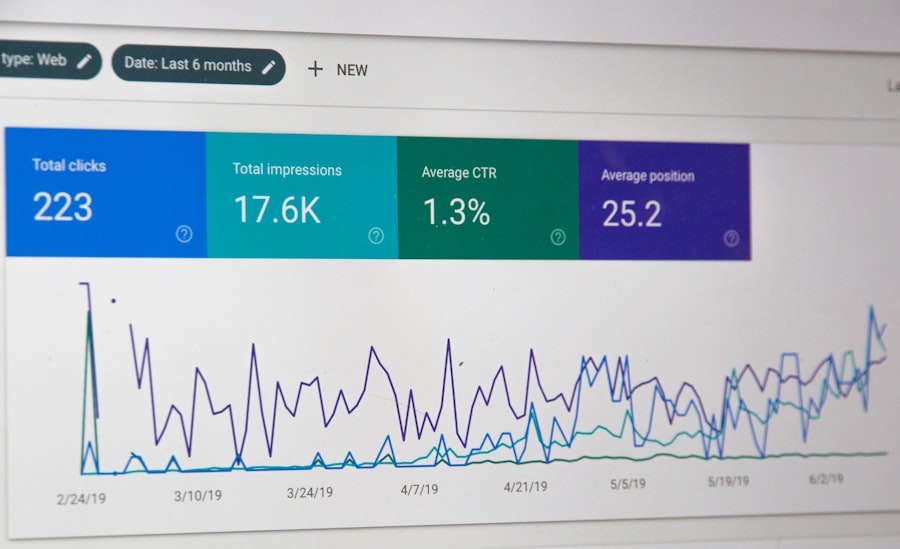
With a plethora of analytics tools available today, selecting the right ones for my online business can be overwhelming. I start by assessing my specific needs and objectives. For instance, if my primary goal is to track website performance, I might consider tools like Google Analytics or Adobe Analytics.
These platforms provide comprehensive insights into user behavior, traffic sources, and conversion rates. On the other hand, if I am more focused on social media engagement, tools like Hootsuite or Sprout Social can help me analyze audience interactions and optimize my content strategy. Furthermore, I recognize the importance of scalability when choosing analytics tools.
As my business grows, so do my analytical needs. Therefore, I look for tools that offer flexibility and can adapt to changing requirements. Additionally, I consider user-friendliness; I want tools that are intuitive and easy to navigate so that I can quickly access the insights I need without getting bogged down in complex interfaces.
By carefully selecting the right analytics tools, I set myself up for success in harnessing data to drive my business forward.
Tracking and Analyzing Key Metrics
Once I have established my goals and chosen the appropriate tools, the next step is to track and analyze key metrics that align with those objectives. Metrics serve as vital signposts on my business journey, providing insights into performance and areas for improvement. For example, if one of my goals is to increase conversion rates on my website, I closely monitor metrics such as bounce rate, average session duration, and click-through rates on calls to action.
By analyzing these metrics in conjunction with one another, I can identify patterns that inform my marketing strategies. In addition to quantitative metrics, I also pay attention to qualitative data gathered from customer feedback and surveys. This information adds depth to my understanding of customer preferences and pain points.
By combining quantitative and qualitative insights, I can create a more comprehensive picture of my business performance. This holistic approach allows me to make informed decisions based on a well-rounded understanding of both numerical data and customer sentiment.
Using Data to Make Informed Business Decisions
The true power of analytics lies in its ability to inform decision-making processes. As I sift through the data collected from various sources, I strive to extract actionable insights that can guide my business strategies. For instance, if data reveals that a particular product is consistently underperforming in sales compared to others, it prompts me to investigate further.
Is it a pricing issue? Are there marketing gaps? By using data as a compass for decision-making, I can address challenges proactively rather than reactively.
Moreover, data-driven decision-making fosters a culture of accountability within my organization. When I base decisions on concrete evidence rather than intuition alone, it encourages collaboration among team members who can contribute their expertise to interpret the data effectively. This collaborative approach not only enhances the quality of decisions but also instills confidence in stakeholders who see that choices are grounded in analysis rather than guesswork.
Implementing A/B Testing and Experimentation
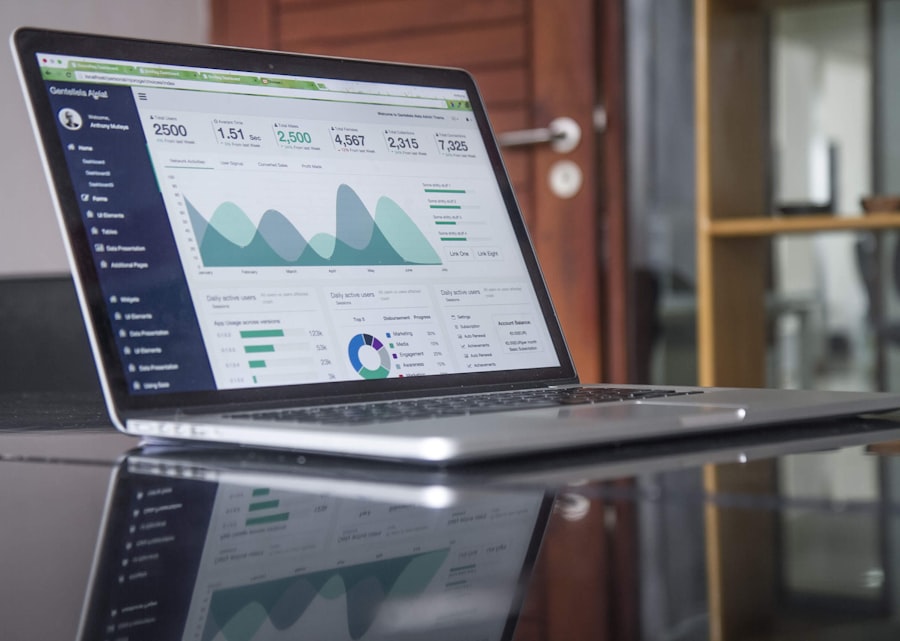
A/B testing has become an invaluable tool in my analytics arsenal. By comparing two versions of a webpage or marketing campaign—Version A and Version B—I can determine which performs better based on specific metrics such as conversion rates or click-through rates. This method allows me to experiment with different elements of my online presence without making sweeping changes that could disrupt user experience.
For example, I might test two different headlines for an email campaign to see which one resonates more with my audience. The beauty of A/B testing lies in its iterative nature; it encourages continuous improvement by allowing me to refine strategies based on real-time feedback. Each test provides valuable insights that inform future decisions, creating a cycle of experimentation that drives innovation within my business.
As I embrace this mindset of experimentation, I become more agile in responding to market trends and customer preferences.
Optimizing Your Marketing and Sales Strategies
With a wealth of data at my fingertips, optimizing marketing and sales strategies becomes an ongoing process rather than a one-time effort. By analyzing customer behavior and engagement metrics, I can identify which marketing channels yield the highest return on investment (ROI). For instance, if social media campaigns consistently outperform email marketing in terms of conversions, it may prompt me to allocate more resources toward social media advertising.
Additionally, I leverage customer segmentation to tailor marketing messages more effectively. By analyzing demographic data and purchasing behavior, I can create targeted campaigns that resonate with specific audience segments. This personalized approach not only enhances customer engagement but also increases the likelihood of conversions.
As I continuously optimize my marketing strategies based on data-driven insights, I position myself for sustained growth in an ever-evolving digital landscape.
Scaling Your Business with Data-Driven Insights
As my online business begins to flourish, scaling becomes a natural next step in my journey. However, scaling requires careful planning and execution; it’s not merely about increasing output but also about maintaining quality and customer satisfaction. Data-driven insights play a pivotal role in this process by helping me identify opportunities for expansion while minimizing risks.
For instance, by analyzing sales trends across different regions or demographics, I can pinpoint areas with untapped potential for growth. This information allows me to make informed decisions about where to invest resources for maximum impact. Additionally, as I scale operations—whether through hiring new team members or expanding product lines—I rely on data to ensure that each decision aligns with my overarching business goals.
By embracing a data-driven approach to scaling, I position myself for sustainable success while navigating the complexities of growth. In conclusion, the journey through analytics is one of discovery and empowerment. By understanding the basics of analytics, setting clear goals, choosing the right tools, tracking key metrics, making informed decisions based on data, implementing A/B testing, optimizing marketing strategies, and scaling effectively with insights gained from data analysis, I equip myself with the knowledge and skills necessary to thrive in today’s competitive online landscape.
Embracing this analytical mindset not only enhances my business acumen but also fosters a culture of continuous improvement that will serve me well into the future.
If you’re looking to expand your knowledge on scaling your online business through analytics, you might also find it beneficial to explore strategies that incorporate webinars and automation. An insightful article that complements this topic is How Webinars and Automation Can Build Your Mailing List and Scale Your Business. This piece delves into how leveraging webinars and automation tools can effectively grow your mailing list, which is a crucial component of scaling your business. By integrating these strategies with analytics, you can create a robust framework for business growth.