

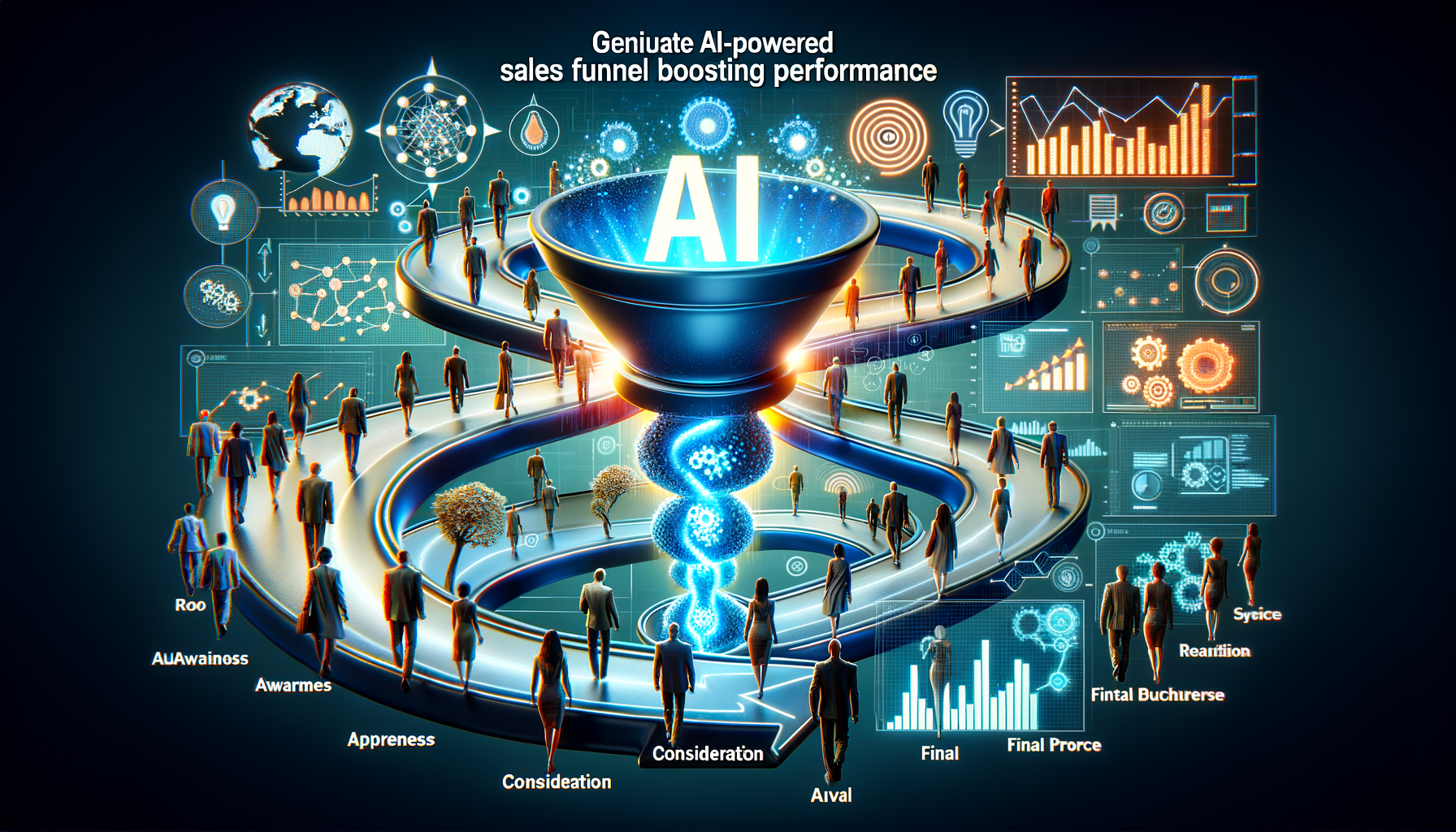
The sales funnel is a fundamental model in sales and marketing that illustrates the customer journey from initial product or service awareness to purchase completion. The funnel typically consists of several distinct stages: awareness, interest, consideration, intent, evaluation, and purchase. Each stage functions as a filtering mechanism, progressively reducing the number of potential customers as they advance toward a purchasing decision.
Mastering this framework is essential for developing an effective sales strategy. Each stage of the sales funnel requires a specific approach tailored to customer needs and behaviors. During the awareness stage, the primary objective is to attract potential customers through multiple marketing channels, including content marketing, social media campaigns, and paid advertising.
As prospects progress to the interest and consideration stages, they require relevant information and resources that directly address their specific needs and concerns. Effective tools at this stage include product demonstrations, case studies, and customer testimonials. By recognizing the distinct characteristics of each funnel stage, sales professionals can develop a more efficient strategy that systematically guides prospects toward conversion.
Key Takeaways
- AI enhances lead generation by identifying and targeting high-potential prospects efficiently.
- Personalized customer engagement is improved through AI-driven insights and tailored communication.
- Sales forecasting becomes more accurate with AI analyzing historical data and market trends.
- AI streamlines sales processes by automating routine tasks, increasing team productivity.
- Implementing AI tools aids in managing the sales funnel and analyzing sales performance effectively.
Leveraging AI for Lead Generation
In today’s fast-paced digital landscape, I have found that leveraging artificial intelligence (AI) for lead generation can significantly enhance my sales efforts. AI tools can analyze vast amounts of data to identify potential leads that align with my target audience. By utilizing machine learning algorithms, I can uncover patterns and trends that would be nearly impossible to detect manually.
This not only saves me time but also allows me to focus on high-quality leads that are more likely to convert. Moreover, AI-driven lead generation tools can automate repetitive tasks, such as data entry and initial outreach. This automation frees up my time to engage with leads more meaningfully.
For instance, I can use AI chatbots to handle initial inquiries on my website, providing instant responses to potential customers while gathering valuable information about their needs. By integrating AI into my lead generation strategy, I can create a more efficient and effective process that ultimately drives better results.
Using AI for Personalized Customer Engagement
Personalization has become a key factor in successful customer engagement, and I have found that AI plays a pivotal role in achieving this goal. By analyzing customer data, AI can help me understand individual preferences and behaviors, allowing me to tailor my communication and offerings accordingly. For example, if I notice that a particular segment of my audience frequently engages with specific types of content, I can create targeted campaigns that resonate with their interests.
Additionally, AI enables me to deliver personalized experiences at scale. Through predictive analytics, I can anticipate customer needs and proactively offer solutions before they even realize they need them. This level of personalization not only enhances customer satisfaction but also fosters loyalty and trust.
By leveraging AI for personalized engagement, I can build stronger relationships with my customers and ultimately drive higher conversion rates.
Optimizing Sales Forecasting with AI
Sales forecasting is an essential aspect of any successful business strategy, and I have discovered that AI can significantly enhance the accuracy of my forecasts. Traditional forecasting methods often rely on historical data and subjective judgment, which can lead to inaccuracies. However, AI algorithms can analyze a multitude of variables—such as market trends, customer behavior, and economic indicators—to generate more precise predictions.
By implementing AI-driven forecasting tools, I can gain insights into future sales trends and adjust my strategies accordingly. For instance, if the data suggests a potential dip in demand for a particular product, I can proactively adjust my inventory levels or marketing efforts to mitigate any negative impact. This level of foresight allows me to make informed decisions that ultimately contribute to the overall success of my business.
Streamlining Sales Processes with AI
In my experience, streamlining sales processes is vital for maximizing efficiency and productivity. AI has proven to be an invaluable asset in this regard. By automating routine tasks—such as lead scoring, follow-up emails, and appointment scheduling—I can free up valuable time that I can dedicate to building relationships with prospects and closing deals.
Moreover, AI tools can provide real-time insights into my sales pipeline, allowing me to identify bottlenecks and areas for improvement. For example, if I notice that leads are stalling at a particular stage in the funnel, I can analyze the data to determine the cause and implement targeted strategies to address it. By leveraging AI to streamline my sales processes, I can create a more agile and responsive sales team that is better equipped to meet customer needs.
Improving Customer Retention with AI

Customer retention is just as important as acquiring new customers, and I have found that AI can play a significant role in enhancing retention efforts. By analyzing customer behavior and feedback, AI can help me identify at-risk customers who may be considering leaving. Armed with this information, I can take proactive measures to address their concerns and improve their overall experience.
Additionally, AI-driven tools can facilitate personalized communication with existing customers. For instance, by analyzing purchase history and preferences, I can send targeted offers or recommendations that resonate with their interests. This level of personalization not only keeps customers engaged but also fosters loyalty and encourages repeat business.
By leveraging AI for customer retention strategies, I can create lasting relationships that contribute to long-term success.
Utilizing AI for Sales Performance Analysis
Analyzing sales performance is crucial for understanding what works and what doesn’t in my sales strategy. AI has revolutionized this process by providing advanced analytics capabilities that allow me to gain deeper insights into my team’s performance. With AI tools at my disposal, I can track key performance indicators (KPIs) in real-time and identify trends that may not be immediately apparent through traditional analysis methods.
For example, by utilizing AI-driven dashboards, I can visualize data related to conversion rates, average deal size, and sales cycle length. This information enables me to pinpoint areas where my team excels and where there may be room for improvement. Furthermore, AI can help me conduct comparative analyses across different time periods or sales teams, providing valuable context for my performance metrics.
By harnessing the power of AI for performance analysis, I can make data-driven decisions that enhance my overall sales strategy.
Implementing AI Tools for Sales Funnel Management
As I look to optimize my sales funnel management further, implementing AI tools has become an essential step in my strategy. There are numerous AI-driven platforms available that offer features specifically designed for managing each stage of the sales funnel effectively. From lead generation to customer engagement and performance analysis, these tools provide comprehensive solutions that streamline the entire process.
One of the key benefits of using AI tools for sales funnel management is their ability to integrate seamlessly with existing systems. This means I can leverage the power of AI without overhauling my entire infrastructure. Additionally, many of these tools offer user-friendly interfaces that make it easy for me and my team to adopt them quickly.
By embracing AI technology in my sales funnel management efforts, I am positioning myself for greater success in an increasingly competitive marketplace. In conclusion, the integration of AI into various aspects of the sales process has transformed how I approach lead generation, customer engagement, forecasting, and retention strategies. By understanding the sales funnel and leveraging AI tools effectively, I am not only enhancing my efficiency but also creating more meaningful connections with customers.
As technology continues to evolve, I am excited about the possibilities that lie ahead in optimizing my sales strategies through artificial intelligence.
To enhance your understanding of leveraging AI in sales funnels, you might find the article on the importance of customer engagement particularly insightful. It discusses various strategies that can complement AI tools in optimizing sales performance. You can read more about it in this article: How to Use AI to Improve Sales Funnel Performance.