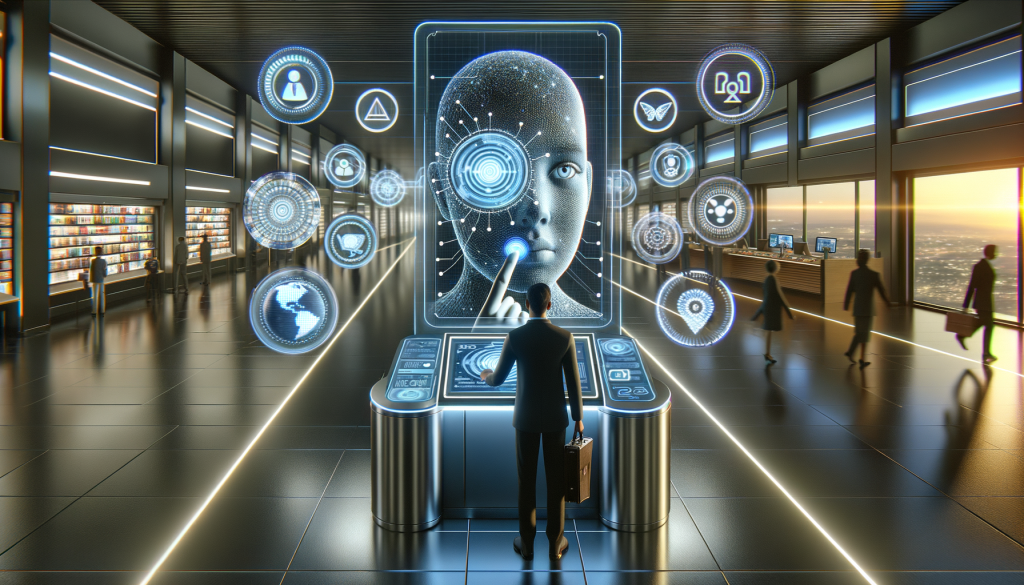

Artificial intelligence (AI) is significantly transforming customer journeys across multiple industries. AI integration into customer interactions enables businesses to understand and respond to customer needs with greater precision and personalization than previously possible. Throughout the customer lifecycle—from initial brand awareness through post-purchase engagement—AI enhances each interaction point.
This technological shift extends beyond simple automation. AI enables companies to create more intuitive and personalized experiences that align with individual customer preferences and expectations. In the current digital environment, where consumer expectations continue to change, AI has become a critical tool for competitive advantage.
Real-time data analysis allows companies to identify customer preferences and behavioral patterns, enabling them to customize their products and services accordingly. AI’s applications in customer journey optimization demonstrate measurable improvements in operational efficiency while simultaneously strengthening customer-brand relationships.
Key Takeaways
- AI helps analyze and understand customer behavior for better decision-making.
- Personalization through AI enhances individual customer interactions.
- AI streamlines customer service by automating responses and support.
- Predictive analytics powered by AI anticipate customer needs and trends.
- Integrating AI across channels creates seamless and consistent customer experiences.
Understanding Customer Behavior with AI
One of the most significant advantages of incorporating AI into customer journeys is its capacity to analyze and interpret customer behavior. By utilizing machine learning algorithms, I can uncover patterns and trends that inform how customers interact with products and services. This data-driven approach allows me to gain a comprehensive understanding of what drives customer decisions, enabling me to make informed choices that enhance their experience.
For instance, by analyzing browsing history, purchase patterns, and even social media interactions, I can identify the factors that influence customer preferences and tailor my strategies accordingly. Moreover, AI tools can segment customers based on their behaviors and preferences, allowing for more targeted marketing efforts. I find it particularly useful to create detailed customer personas that reflect the diverse needs and desires of my audience.
This segmentation not only helps in crafting personalized messages but also ensures that I am reaching the right customers at the right time. By understanding the nuances of customer behavior through AI, I can anticipate their needs and provide solutions that resonate with them, ultimately leading to increased satisfaction and loyalty.
Personalizing Customer Interactions with AI

Personalization has become a cornerstone of effective customer engagement, and AI is at the forefront of this movement. With the ability to analyze individual customer data, I can create tailored experiences that speak directly to each person’s unique preferences. For example, when a customer visits my website, AI can recommend products based on their previous purchases or browsing history, making their shopping experience more relevant and enjoyable.
This level of personalization not only enhances the customer journey but also fosters a sense of connection between the brand and the consumer. In addition to product recommendations, AI can also personalize communication strategies. By analyzing customer interactions across various channels, I can determine the best way to engage with each individual.
Whether it’s through personalized email campaigns or targeted social media ads, I can ensure that my messaging aligns with what my customers are looking for. This tailored approach not only increases engagement rates but also builds trust and loyalty, as customers feel valued and understood by the brand.
Streamlining Customer Service with AI
Customer service is another area where AI has made significant strides in improving the overall customer journey. With the implementation of chatbots and virtual assistants, I can provide immediate assistance to customers, addressing their inquiries and concerns in real-time. This not only enhances efficiency but also ensures that customers receive timely support, which is crucial in today’s fast-paced environment.
I find that these AI-driven solutions can handle a wide range of queries, from simple questions about product availability to more complex issues requiring detailed explanations. Furthermore, AI can analyze customer interactions to identify common pain points and areas for improvement within the service process. By gathering insights from these interactions, I can refine my customer service strategies and implement changes that enhance the overall experience.
For instance, if I notice a recurring issue with a particular product or service, I can proactively address it before it escalates into a larger problem. This proactive approach not only improves customer satisfaction but also demonstrates my commitment to providing exceptional service.
Enhancing Customer Engagement with AI
Engagement is a critical component of any successful customer journey, and AI offers innovative ways to enhance this aspect. By utilizing predictive analytics, I can anticipate customer needs and preferences, allowing me to create engaging content that resonates with my audience. For example, if I know that a particular segment of my customers is interested in sustainability, I can tailor my marketing efforts to highlight eco-friendly products or initiatives.
This targeted approach not only captures attention but also fosters a deeper connection between the brand and its customers. Additionally, AI can facilitate interactive experiences that keep customers engaged over time. Through personalized recommendations and dynamic content delivery, I can create a continuous dialogue with my audience.
Whether it’s through personalized newsletters or engaging social media campaigns, I find that leveraging AI allows me to maintain an ongoing relationship with customers, keeping them informed and excited about new offerings. This sustained engagement ultimately leads to increased brand loyalty and advocacy.
Leveraging AI for Predictive Analytics

Predictive analytics is one of the most powerful applications of AI in understanding customer journeys. By analyzing historical data and identifying trends, I can forecast future behaviors and preferences with remarkable accuracy. This capability allows me to make proactive decisions that enhance the customer experience.
For instance, if I notice a trend indicating that certain products are likely to be in high demand during a specific season, I can adjust my inventory accordingly to meet customer needs. Moreover, predictive analytics enables me to identify potential churn risks among customers. By analyzing engagement patterns and purchase history, I can pinpoint individuals who may be at risk of disengaging from my brand.
Armed with this information, I can implement targeted retention strategies—such as personalized offers or re-engagement campaigns—to keep these customers connected. This proactive approach not only helps retain valuable customers but also contributes to long-term business success.
Implementing AI for Seamless Omnichannel Experiences
In an increasingly interconnected world, providing seamless omnichannel experiences is essential for enhancing customer journeys. AI plays a crucial role in ensuring consistency across various touchpoints—whether it’s online shopping, social media interactions, or in-store experiences. By integrating AI-driven solutions into my omnichannel strategy, I can create a cohesive experience that meets customers wherever they are in their journey.
For instance, if a customer browses products on my website but doesn’t complete their purchase, AI can trigger personalized follow-up emails or retargeting ads on social media platforms. This level of integration ensures that customers receive relevant messaging regardless of the channel they choose to engage with. Additionally, by utilizing AI to track customer interactions across channels, I can gain valuable insights into their preferences and behaviors, allowing me to refine my strategies further.
Best Practices for Using AI to Improve Customer Journeys
As I navigate the complexities of implementing AI into customer journeys, I’ve identified several best practices that can help maximize its effectiveness. First and foremost, it’s essential to prioritize data privacy and security. Customers are increasingly concerned about how their data is used, so being transparent about data collection practices builds trust and fosters positive relationships.
Another best practice is to continuously monitor and evaluate the performance of AI-driven initiatives. By analyzing key performance indicators (KPIs) such as engagement rates and conversion metrics, I can assess the impact of my strategies and make necessary adjustments over time. Additionally, fostering a culture of collaboration between teams—such as marketing, sales, and customer service—ensures that everyone is aligned in their efforts to enhance the customer journey through AI.
In conclusion, as I reflect on the transformative power of AI in shaping customer journeys, it becomes clear that this technology is not just a trend; it’s an essential component of modern business strategy. By understanding customer behavior, personalizing interactions, streamlining service processes, enhancing engagement, leveraging predictive analytics, implementing omnichannel experiences, and adhering to best practices, I can create meaningful connections with customers that drive loyalty and success in an ever-evolving marketplace.
To enhance your understanding of leveraging AI for improving customer journeys, you might find the article on embracing the present in your online business particularly insightful. It discusses foundational strategies that can complement AI initiatives, ensuring a holistic approach to customer experience. You can read more about it here: Embrace the Now: Planting the Seeds for Your Online Business Success.