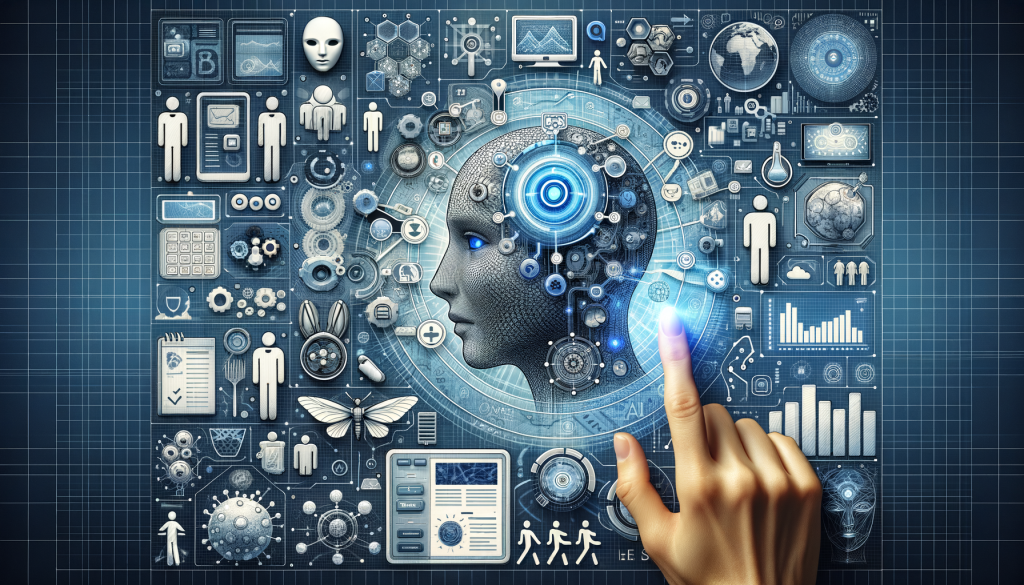

Artificial intelligence (AI) is playing an increasingly important role in website user experience (UX) design. AI refers to computer systems programmed to simulate human intelligence, including the ability to think and learn. In website design, AI applications include analyzing user behavior, predicting user preferences, and automating repetitive tasks.
These capabilities help designers and developers create more intuitive and responsive websites tailored to individual user needs. The adoption of AI in website UX design represents a significant change in how user interaction is approached and managed. AI systems can process large datasets to identify patterns and trends that would be difficult or impossible for humans to detect manually.
This analytical capability allows designers to base decisions on actual user behavior data rather than on assumptions or generalizations. For professionals involved in website creation, understanding AI has become essential for developing effective and user-centered digital experiences.
Key Takeaways
- AI enhances website UX by enabling personalized and adaptive user experiences.
- AI improves navigation and accessibility, making websites more user-friendly for diverse audiences.
- Data-driven AI tools facilitate effective A/B testing and informed design decisions.
- Real-time AI analysis helps understand user behavior to optimize engagement and satisfaction.
- AI integration in chatbots and performance tools streamlines interactions and boosts website efficiency.
Leveraging AI for Personalized User Experiences
One of the most exciting applications of AI in website UX design is its ability to create personalized user experiences. I have seen firsthand how AI algorithms can analyze user data, such as browsing history, preferences, and demographics, to tailor content and recommendations specifically for each visitor. This level of personalization not only enhances user satisfaction but also increases engagement and conversion rates.
When users feel that a website understands their needs and preferences, they are more likely to return. In my experience, implementing personalized experiences can take various forms, from customized product recommendations on e-commerce sites to dynamic content that changes based on user behavior. For instance, I have worked on projects where AI-driven systems suggest articles or products based on previous interactions, creating a seamless and engaging experience.
By harnessing the power of AI, I can ensure that users receive relevant content that resonates with them, ultimately fostering a deeper connection with the brand.
Utilizing AI to Improve Website Navigation and Accessibility
Navigating a website should be an intuitive experience, and AI plays a pivotal role in enhancing this aspect of UX design. I have observed how AI can analyze user interactions to identify common pain points in navigation. By understanding where users struggle or drop off, I can make informed adjustments to improve the overall flow of the site.
For example, AI can suggest changes to menu structures or highlight frequently accessed pages, making it easier for users to find what they need. Accessibility is another critical area where AI can make a significant impact. As I strive to create inclusive designs, I recognize that AI tools can help identify accessibility issues that may not be immediately apparent.
For instance, AI can analyze color contrast ratios or evaluate the readability of text for users with visual impairments. By addressing these concerns proactively, I can ensure that my designs are not only user-friendly but also accessible to a broader audience.
Implementing AI for A/B Testing and Data-Driven Decision Making
A/B testing has long been a staple in UX design, allowing designers to compare two versions of a webpage to determine which performs better. However, the integration of AI into this process has revolutionized how I approach testing and decision-making. With AI-powered tools, I can automate the A/B testing process, quickly analyzing vast amounts of data to identify trends and insights that inform my design choices.
In my experience, AI can optimize A/B testing by dynamically adjusting variables based on real-time user interactions. For instance, if one version of a landing page is performing significantly better than another, AI can automatically direct more traffic to the successful version while continuing to gather data for further analysis. This data-driven approach not only saves time but also ensures that my design decisions are grounded in empirical evidence rather than guesswork.
Harnessing AI for Real-Time User Behavior Analysis
Understanding user behavior is essential for creating effective website designs, and AI provides powerful tools for real-time analysis. I have found that by leveraging AI algorithms, I can gain insights into how users interact with my website as it happens. This capability allows me to make immediate adjustments based on user feedback and behavior patterns.
For example, if I notice a sudden spike in bounce rates on a particular page, I can investigate further using AI analytics tools to determine the cause. Whether it’s slow loading times or confusing content layout, real-time analysis enables me to address issues promptly before they escalate. This proactive approach not only enhances user satisfaction but also contributes to improved overall site performance.
Integrating AI for Chatbots and Virtual Assistants
In my journey through website UX design, I have come to appreciate the value of chatbots and virtual assistants powered by AI. These tools provide users with immediate assistance and support, enhancing their overall experience on the site. By integrating chatbots into my designs, I can offer users a way to get answers to their questions without having to navigate through multiple pages or wait for human support.
The effectiveness of chatbots lies in their ability to learn from interactions over time. As users engage with these virtual assistants, they gather data that helps refine their responses and improve their accuracy. In my projects, I have seen how well-designed chatbots can handle common inquiries efficiently while also providing personalized recommendations based on user preferences.
This not only streamlines the user experience but also frees up valuable resources for businesses.
Optimizing Website Performance with AI-Powered Tools
Website performance is crucial for retaining users and ensuring a positive experience. In my work as a UX designer, I have discovered that AI-powered tools can significantly enhance website performance by optimizing various elements such as loading times, image sizes, and server responses. By utilizing these tools, I can ensure that my designs not only look great but also function seamlessly.
For instance, I have implemented AI-driven image optimization tools that automatically adjust image sizes without sacrificing quality. This not only improves loading times but also enhances the overall aesthetic appeal of the site. Additionally, AI can analyze server performance and suggest improvements based on user traffic patterns, ensuring that websites remain responsive even during peak usage times.
By prioritizing performance through AI integration, I can create websites that deliver exceptional user experiences.
Future Trends in AI for Website UX Design
As I look ahead to the future of website UX design, it is clear that AI will continue to play a transformative role in shaping how we create and interact with digital experiences. One trend I anticipate is the increased use of machine learning algorithms that will enable even more sophisticated personalization techniques. As these algorithms evolve, they will become better at predicting user preferences and behaviors, allowing designers like me to create hyper-personalized experiences that resonate deeply with individual users.
Another exciting trend is the potential for augmented reality (AR) and virtual reality (VR) integration powered by AI. As these technologies become more accessible, I envision a future where users can engage with websites in immersive environments tailored specifically to their needs and preferences. This could revolutionize industries such as e-commerce and education by providing users with interactive experiences that go beyond traditional browsing.
In conclusion, my exploration of AI in website UX design has revealed its immense potential to enhance user experiences across various dimensions. From personalized interactions to real-time analysis and performance optimization, AI is reshaping how we approach design challenges. As I continue my journey in this field, I am excited about the possibilities that lie ahead and the ways in which AI will continue to elevate the art and science of website UX design.
In the quest for enhancing website user experience through AI, it’s essential to consider various aspects of online business strategies. A related article that delves into the foundational elements of building a successful online presence is titled “Embrace the Now: Planting the Seeds for Your Online Business Success.” You can read it [here](https://billsimblog.com/embrace-the-now-planting-the-seeds-for-your-online-business-success/). This article provides valuable insights that can complement your understanding of how AI can be integrated into your website design for improved user engagement and satisfaction.