
As I delve into the world of sales and marketing, I find the concept of the sales funnel to be a fundamental framework that guides my understanding of how potential customers move from awareness to purchase. The sales funnel is often depicted as a visual representation of the customer journey, starting with a broad base of potential leads and narrowing down to those who ultimately make a purchase. This model helps me grasp the various stages that a customer goes through, from initial awareness of a product or service to the final decision to buy.
Each stage of the funnel represents a critical point where I can engage with potential customers and influence their decision-making process. In my experience, the sales funnel typically consists of several key stages: awareness, interest, consideration, intent, evaluation, and purchase. At the top of the funnel, I focus on generating awareness through various marketing strategies, such as social media campaigns, content marketing, and advertising.
As I move down the funnel, I aim to nurture leads by providing valuable information and building relationships. Understanding this progression allows me to tailor my approach at each stage, ensuring that I address the specific needs and concerns of potential customers as they navigate their journey toward making a purchase.
Key Takeaways
- The sales funnel represents the customer journey from awareness to purchase, with stages including awareness, interest, decision, and action.
- Leaks in the sales funnel can occur at any stage and result in lost opportunities, so it’s important to identify and address them promptly.
- Analyzing customer behavior through data and feedback can provide valuable insights into their preferences, pain points, and purchasing patterns.
- Improving lead generation involves targeting the right audience, creating compelling content, and utilizing effective marketing channels to attract potential customers.
- Optimizing the conversion process requires streamlining the purchasing experience, addressing customer concerns, and providing incentives to encourage action.
- Enhancing customer retention involves building relationships, providing exceptional customer service, and offering loyalty programs to keep customers coming back.
- Implementing a follow-up strategy is crucial for nurturing leads, addressing customer inquiries, and re-engaging with previous customers to encourage repeat business.
- Monitoring and adjusting the sales funnel regularly is essential for identifying trends, addressing issues, and making continuous improvements to maximize sales and customer satisfaction.
Identifying Leaks in the Sales Funnel
One of the most crucial aspects of managing a sales funnel is identifying leaks that may hinder the flow of potential customers toward making a purchase. I often find that leaks can occur at any stage of the funnel, leading to lost opportunities and decreased revenue. To effectively identify these leaks, I analyze key performance indicators (KPIs) and metrics that provide insights into customer behavior and engagement.
For instance, if I notice a significant drop-off in engagement during the consideration stage, it signals that I need to reevaluate my messaging or content strategy to better resonate with my audience. In addition to analyzing metrics, I also seek feedback from customers who have dropped out of the funnel. Conducting surveys or interviews can provide valuable insights into their experiences and reasons for disengagement.
By understanding their pain points and objections, I can pinpoint specific areas where my sales process may be falling short. This proactive approach not only helps me identify leaks but also empowers me to implement targeted solutions that enhance the overall customer experience and drive conversions.
Analyzing Customer Behavior
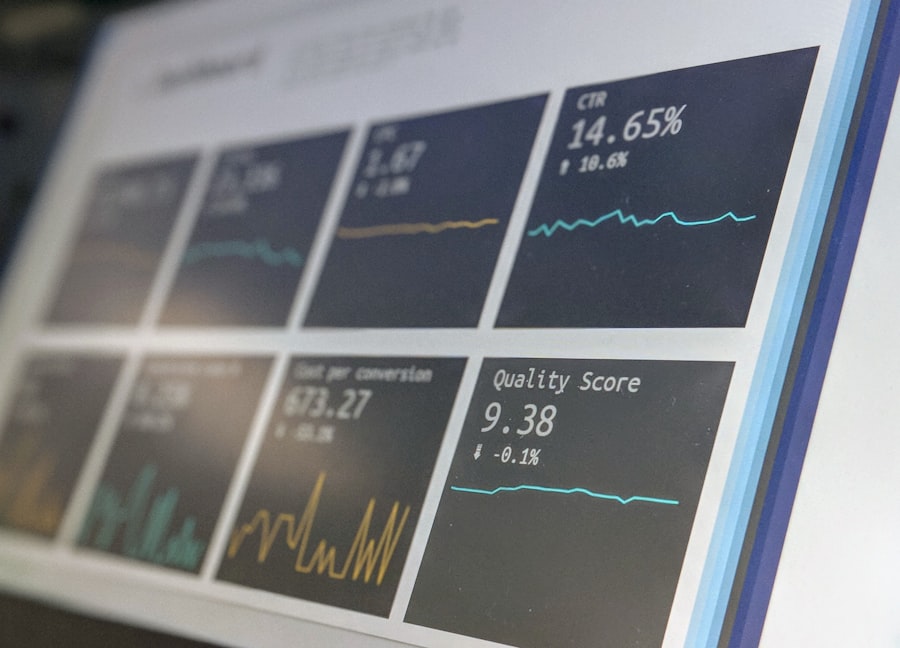
To effectively optimize my sales funnel, I recognize the importance of analyzing customer behavior throughout their journey. By leveraging data analytics tools, I can gain a deeper understanding of how potential customers interact with my brand at each stage of the funnel. For example, tracking website traffic, click-through rates, and engagement metrics allows me to identify patterns in customer behavior that inform my marketing strategies.
This data-driven approach enables me to make informed decisions about where to allocate resources and how to tailor my messaging for maximum impact. Moreover, I find that segmenting my audience based on their behavior can yield valuable insights. By categorizing customers into different groups based on their interactions with my brand, I can create targeted campaigns that address their specific needs and preferences.
For instance, if I notice that a particular segment is highly engaged but not converting, I can develop personalized offers or content that speaks directly to their interests. This level of analysis not only enhances my understanding of customer behavior but also allows me to create more effective marketing strategies that resonate with my audience.
Improving Lead Generation
Lead generation is a critical component of my sales funnel, and I continually seek ways to enhance this process. One effective strategy I’ve implemented is creating high-quality content that provides value to my target audience. By offering informative blog posts, eBooks, webinars, or free resources, I can attract potential customers who are seeking solutions to their problems.
This approach not only positions me as an authority in my industry but also helps me capture leads through gated content or newsletter sign-ups. In addition to content marketing, I also explore various channels for lead generation, such as social media advertising and search engine optimization (SEO). By leveraging paid ads on platforms like Facebook or Google, I can reach a wider audience and drive traffic to my website.
Furthermore, optimizing my website for search engines ensures that potential customers can easily find me when searching for relevant keywords. By diversifying my lead generation strategies and continuously testing new approaches, I can create a steady stream of qualified leads that feed into my sales funnel.
Optimizing the Conversion Process
Once I’ve generated leads, the next step is optimizing the conversion process to turn those leads into paying customers. I understand that this stage requires a delicate balance of persuasion and trust-building. One effective tactic I’ve employed is creating compelling landing pages that clearly communicate the value of my products or services.
By using persuasive copywriting and eye-catching visuals, I can capture the attention of potential customers and guide them toward taking action. Additionally, I recognize the importance of simplifying the purchasing process. A complicated checkout experience can lead to cart abandonment and lost sales.
To address this issue, I’ve streamlined my checkout process by minimizing the number of steps required to complete a purchase and offering multiple payment options. By making it as easy as possible for customers to buy from me, I increase the likelihood of conversion and enhance their overall experience with my brand.
Enhancing Customer Retention
While acquiring new customers is essential for growth, I also understand that retaining existing customers is equally important for long-term success. In my experience, building strong relationships with customers fosters loyalty and encourages repeat business. One strategy I’ve implemented is creating a customer loyalty program that rewards repeat purchases with discounts or exclusive offers.
This not only incentivizes customers to return but also makes them feel valued and appreciated. Furthermore, I prioritize ongoing communication with my customers even after they’ve made a purchase. Sending follow-up emails to check in on their satisfaction or offering personalized recommendations based on their previous purchases helps maintain engagement and reinforces their connection with my brand.
By focusing on customer retention strategies, I can create a loyal customer base that contributes to sustained revenue growth over time.
Implementing a Follow-Up Strategy
A well-defined follow-up strategy is crucial for nurturing leads and maintaining relationships with customers throughout their journey. After a potential customer has engaged with my brand—whether through downloading content or attending a webinar—I make it a priority to follow up promptly. This could involve sending personalized emails thanking them for their interest and providing additional resources related to their needs.
In addition to initial follow-ups, I also implement automated email sequences that nurture leads over time. These sequences may include educational content, product updates, or special promotions tailored to their interests. By staying top-of-mind and providing ongoing value, I increase the likelihood of converting leads into paying customers while also reinforcing relationships with existing clients.
Monitoring and Adjusting the Sales Funnel
Finally, I recognize that monitoring and adjusting my sales funnel is an ongoing process that requires constant attention and adaptation. By regularly reviewing key metrics such as conversion rates, customer feedback, and engagement levels, I can identify areas for improvement and make data-driven decisions about my sales strategies. This iterative approach allows me to stay agile in response to changing market conditions and customer preferences.
Moreover, I embrace experimentation as a means of optimizing my sales funnel. Whether it’s testing different messaging approaches or trying out new lead generation tactics, I view each experiment as an opportunity to learn and refine my strategies further. By fostering a culture of continuous improvement within my sales process, I can ensure that my sales funnel remains effective in driving conversions and achieving long-term business success.
In conclusion, understanding the intricacies of the sales funnel has been instrumental in shaping my approach to sales and marketing. From identifying leaks and analyzing customer behavior to optimizing lead generation and enhancing retention strategies, each aspect plays a vital role in driving conversions and fostering lasting relationships with customers. By implementing a comprehensive follow-up strategy and continuously monitoring my sales funnel’s performance, I am well-equipped to adapt to changing market dynamics and achieve sustainable growth in my business endeavors.
To effectively enhance your sales funnel, it’s crucial to understand how to leverage various tools and strategies. A related article that delves into the importance of automation in building your mailing list and scaling your business is available at How Webinars and Automation Can Build Your Mailing List and Scale Your Business. This resource provides valuable insights that can complement your efforts in identifying and fixing leaks in your sales funnel.