

To create a successful membership site, the first step I must take is to understand my audience and their specific needs. This involves conducting thorough research to identify who my potential members are, what they are looking for, and how I can best serve them. I often find that engaging with my audience through surveys, social media interactions, and direct conversations can provide invaluable insights.
By asking targeted questions, I can uncover their pain points, interests, and preferences, which will guide me in tailoring my offerings to meet their expectations. Once I have gathered this information, I analyze it to create detailed personas that represent different segments of my audience. These personas help me visualize who I am creating content for and what motivates them to join a membership site.
Understanding their demographics, such as age, profession, and location, as well as their psychographics—like values, interests, and lifestyle—enables me to craft a more personalized experience. This foundational knowledge is crucial as it informs every decision I make moving forward, from the type of content I create to the marketing strategies I employ.
Key Takeaways
- Understand your audience’s needs and preferences to tailor your membership site to their interests and goals.
- Choose a membership platform that aligns with your site’s needs, budget, and technical requirements.
- Create high-quality, valuable content and resources that will keep your members engaged and coming back for more.
- Clearly define membership levels and benefits to provide a clear value proposition for potential members.
- Implement a user-friendly interface and navigation to ensure a seamless and enjoyable user experience for your members.
Choosing the Right Membership Platform
Selecting the right membership platform is a critical decision that can significantly impact the success of my site. With numerous options available, I need to evaluate each platform based on its features, ease of use, scalability, and pricing. I often start by listing my specific requirements, such as payment processing capabilities, content delivery methods, and community engagement tools.
This helps me narrow down my choices and focus on platforms that align with my goals. In my experience, it’s essential to consider not only the current needs of my membership site but also its future growth potential. A platform that may seem adequate now might not support my ambitions down the line.
Therefore, I look for solutions that offer flexibility and scalability, allowing me to expand my offerings as my audience grows. Additionally, I pay attention to user reviews and testimonials to gauge the experiences of others who have used these platforms. This research helps me make an informed decision that will serve my membership site well in the long run.
Creating Compelling Content and Resources
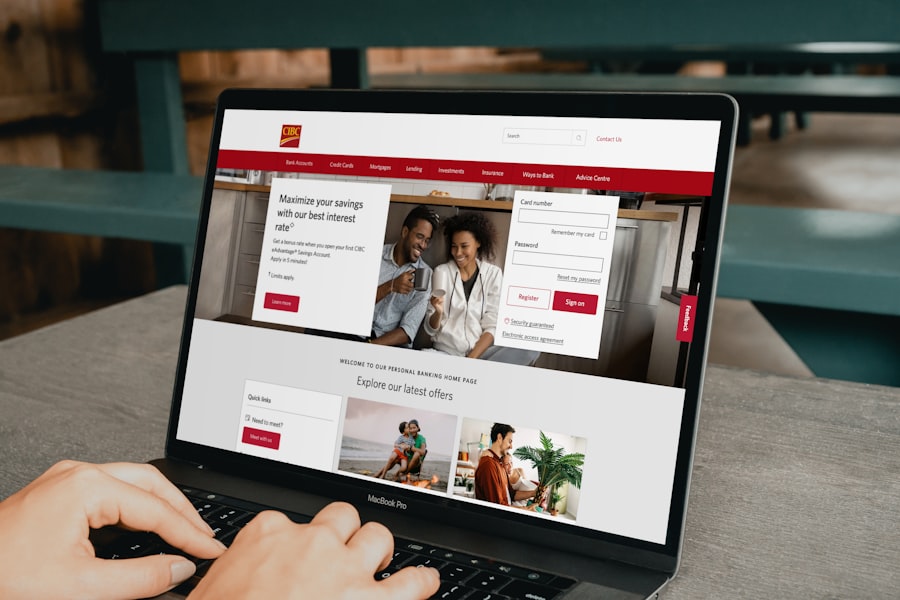
Once I have a clear understanding of my audience and have chosen a suitable platform, the next step is to create compelling content and resources that will attract and retain members. I recognize that high-quality content is the backbone of any successful membership site. Therefore, I focus on producing valuable resources that address the needs and interests of my audience.
This could include articles, videos, webinars, or downloadable guides that provide actionable insights and solutions. I also strive to maintain a consistent content schedule to keep my members engaged and coming back for more. By planning out a content calendar, I can ensure that I cover a variety of topics that resonate with my audience while also allowing for timely updates on relevant trends or news in my niche.
Additionally, I encourage feedback from my members regarding the type of content they find most beneficial. This two-way communication not only helps me refine my offerings but also fosters a sense of community among members who feel their voices are heard.
Setting Clear Membership Levels and Benefits
Establishing clear membership levels and benefits is another crucial aspect of building a successful membership site. I often find that offering tiered membership options allows me to cater to different segments of my audience while maximizing revenue potential. Each level should provide distinct benefits that justify the price point, whether it’s access to exclusive content, personalized coaching sessions, or participation in members-only events.
When designing these levels, I take care to ensure that each one offers real value to members. It’s important for me to communicate these benefits clearly on my site so potential members can easily understand what they will gain by joining at each level. Additionally, I consider offering limited-time promotions or bonuses for new members who sign up at higher tiers.
This not only incentivizes sign-ups but also creates a sense of urgency that can drive conversions.
Implementing a User-Friendly Interface and Navigation
A user-friendly interface and intuitive navigation are essential components of a successful membership site. I understand that if my members struggle to find what they need or navigate through the site, they are less likely to engage with the content or renew their memberships. Therefore, I prioritize creating a clean and organized layout that allows users to easily access resources and information.
I often conduct usability testing with real users to identify any pain points in the navigation process. This feedback is invaluable as it helps me make necessary adjustments before launching the site. Additionally, I ensure that my site is mobile-responsive since many users access content on their smartphones or tablets.
A seamless experience across devices enhances user satisfaction and encourages ongoing engagement with the community.
Building a Community and Fostering Engagement
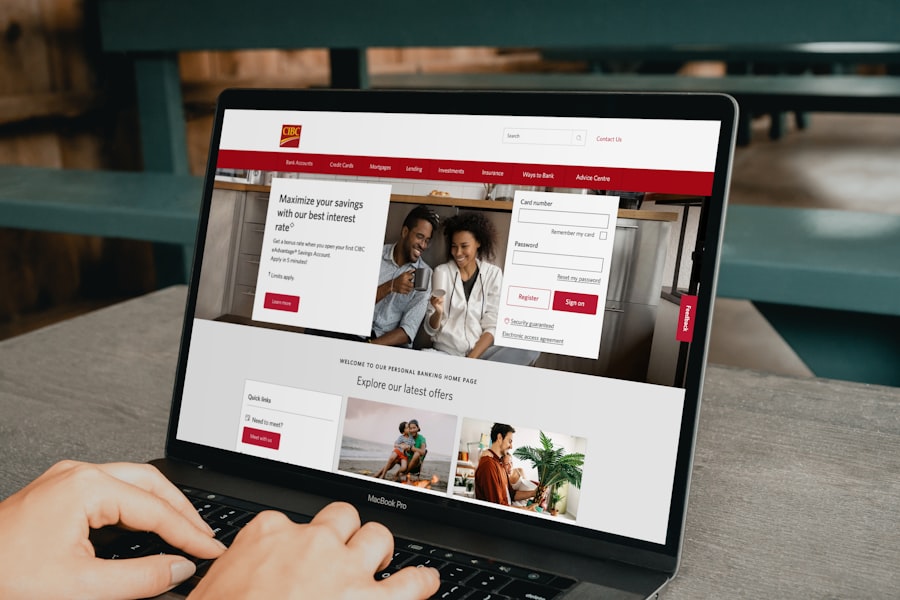
Building a strong community around my membership site is vital for fostering engagement and loyalty among members. I recognize that people join membership sites not just for the content but also for the sense of belonging they provide. To cultivate this community atmosphere, I implement various strategies such as discussion forums, live Q&A sessions, and social media groups where members can connect with one another.
I also encourage interaction by posing questions or prompts within these community spaces. By facilitating discussions around relevant topics or challenges faced by members, I create opportunities for them to share their experiences and insights. This not only enriches the community but also positions me as a facilitator who values member contributions.
Over time, I’ve seen how these connections can lead to lasting relationships among members, further enhancing their overall experience.
Providing Ongoing Value and Support
To ensure long-term success for my membership site, I must consistently provide ongoing value and support to my members. This means regularly updating content, introducing new resources, and being responsive to member inquiries or feedback. I often schedule periodic check-ins with members to assess their satisfaction levels and gather suggestions for improvement.
Additionally, I consider offering exclusive perks such as discounts on future products or services, access to guest experts for special webinars, or early access to new content releases. These added benefits reinforce the value of membership and encourage members to remain engaged over time. By demonstrating that I am committed to their growth and success, I build trust and loyalty within my community.
Marketing and Promoting Your Membership Site
Finally, effective marketing and promotion are essential for attracting new members to my site. I utilize various strategies such as social media marketing, email campaigns, and content marketing to reach potential audiences. By sharing valuable insights related to my niche on platforms like Instagram or LinkedIn, I can establish myself as an authority in the field while driving traffic back to my membership site.
I also leverage testimonials from current members as social proof in my marketing efforts. Positive feedback can significantly influence potential members’ decisions to join. Additionally, hosting free webinars or offering trial memberships can serve as effective lead magnets that allow prospects to experience the value of my offerings firsthand before committing fully.
In conclusion, building a successful membership site requires a multifaceted approach that begins with understanding my audience’s needs and extends through ongoing engagement strategies. By carefully selecting a platform, creating compelling content, establishing clear membership levels, ensuring user-friendly navigation, fostering community engagement, providing ongoing value, and implementing effective marketing strategies, I can create a thriving membership site that meets the needs of my audience while achieving my business goals.
If you’re looking to create a successful online membership site, it’s essential to understand the common pitfalls that can hinder your progress. A related article that can provide valuable insights is Top Marketing Mistakes to Avoid for Business Success. This resource outlines key mistakes that entrepreneurs often make, helping you to navigate your membership site journey more effectively and ensure that your platform resonates with your audience.