

Embarking on the journey of building an online business is both exhilarating and daunting. I remember the first time I considered the idea; it felt like standing at the edge of a vast ocean, filled with possibilities yet shrouded in uncertainty. The digital landscape offers a plethora of opportunities for aspiring entrepreneurs, allowing them to reach a global audience from the comfort of their homes.
However, the path to success is not always straightforward. It requires careful planning, dedication, and a willingness to adapt to the ever-changing market dynamics. As I delved deeper into the world of online entrepreneurship, I realized that the foundation of a successful business lies in understanding the nuances of the digital marketplace.
From identifying a niche market to creating a robust business plan, each step is crucial in shaping the trajectory of my venture. The beauty of building an online business is that it can be tailored to fit my passions and skills, making the journey not only a professional endeavor but also a personal one. In this article, I will share insights and strategies that have helped me navigate the complexities of establishing an online business, hoping to inspire others to take the plunge.
Key Takeaways
- Building an online business requires careful planning and strategic decision-making
- Researching and identifying a niche market is crucial for success in the online business world
- Creating a business plan and setting achievable goals is essential for long-term success
- Utilizing low-cost marketing strategies can help reach a wider audience without breaking the bank
- Building a professional website on a budget is possible with the right tools and resources
Researching and Identifying a Niche Market
The first step in my entrepreneurial journey was conducting thorough research to identify a niche market that resonated with my interests and expertise. I quickly learned that simply choosing a popular market was not enough; it was essential to find a specific segment within that market where I could offer unique value. This process involved analyzing trends, studying competitors, and understanding consumer needs.
I spent countless hours sifting through online forums, social media groups, and industry reports to gather insights that would inform my decision. One of the most enlightening aspects of this research was discovering the importance of passion in my chosen niche. I realized that building a business around something I genuinely cared about would not only keep me motivated during challenging times but also resonate with my target audience.
By focusing on a niche that aligned with my interests, I was able to carve out a space where I could connect authentically with potential customers. This connection became the cornerstone of my marketing efforts and ultimately contributed to my business’s growth.
Creating a Business Plan and Setting Goals

With a clear niche in mind, I moved on to creating a comprehensive business plan. This document became my roadmap, outlining my vision, mission, and strategies for achieving success. I found that breaking down my goals into smaller, manageable tasks made the process less overwhelming.
By setting specific, measurable, achievable, relevant, and time-bound (SMART) goals, I was able to track my progress and stay focused on my objectives. In addition to outlining my goals, my business plan also included financial projections and marketing strategies. This level of detail not only helped me understand the potential profitability of my venture but also provided me with a framework for making informed decisions as I moved forward.
Revisiting and revising my business plan regularly became a habit, allowing me to adapt to changes in the market and refine my strategies as needed.
Utilizing Low-Cost Marketing Strategies
As I began to implement my business plan, I quickly realized that marketing would play a pivotal role in attracting customers without breaking the bank. I explored various low-cost marketing strategies that allowed me to promote my business effectively while keeping expenses in check. One of the most impactful methods I discovered was content marketing.
By creating valuable content related to my niche, I was able to establish myself as an authority in the field and draw organic traffic to my website. Social media platforms also became invaluable tools for reaching my target audience. I learned how to leverage platforms like Instagram, Facebook, and Pinterest to showcase my products and engage with potential customers.
By sharing behind-the-scenes glimpses of my business and interacting with followers, I fostered a sense of community that encouraged brand loyalty. Additionally, I explored email marketing as a cost-effective way to nurture leads and keep customers informed about new offerings and promotions.
Building a Professional Website on a Budget
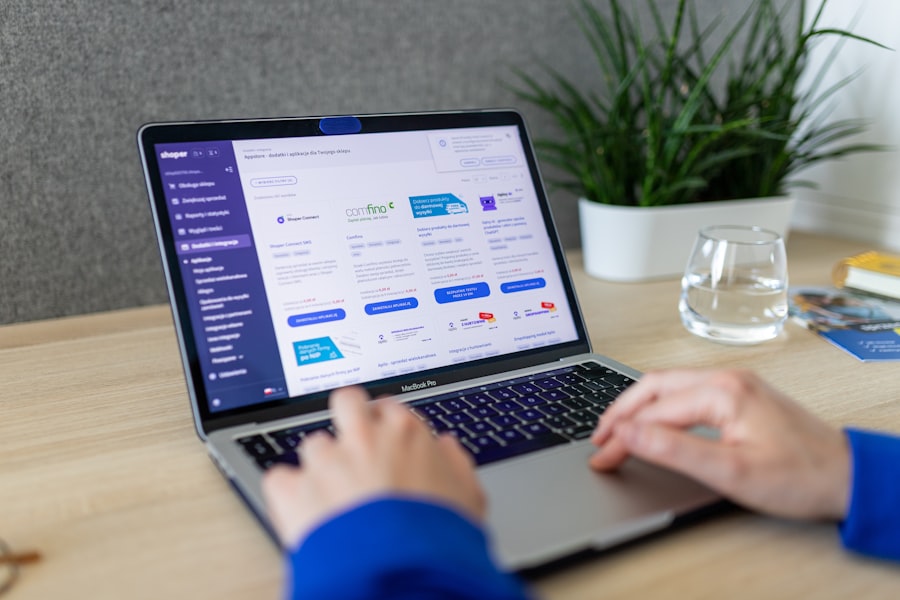
Creating a professional website was one of the most critical steps in establishing my online presence. Initially, the thought of investing in web development seemed daunting, but I soon discovered that there were budget-friendly options available. I opted for user-friendly website builders that offered customizable templates, allowing me to create an attractive site without needing extensive technical skills.
As I designed my website, I focused on ensuring it was user-friendly and visually appealing. Clear navigation, compelling visuals, and concise product descriptions were essential elements that contributed to an enjoyable user experience. Additionally, I prioritized mobile optimization since many users access websites through their smartphones.
By investing time in building a professional website on a budget, I laid the groundwork for attracting visitors and converting them into loyal customers.
Leveraging Social Media and Networking
Social media became an integral part of my marketing strategy as I sought to connect with potential customers and build brand awareness. Each platform offered unique opportunities for engagement, allowing me to tailor my content to suit different audiences. For instance, on Instagram, I focused on visually appealing posts that showcased my products in creative ways, while on LinkedIn, I shared industry insights and connected with other professionals in my niche.
Networking played a significant role in expanding my reach as well. I actively sought out online communities related to my industry, participating in discussions and sharing valuable insights. This not only helped me establish credibility but also opened doors for collaborations with other entrepreneurs.
By leveraging social media and networking effectively, I was able to create meaningful connections that contributed to the growth of my online business.
Outsourcing and Automating Tasks
As my online business began to grow, I quickly realized that managing every aspect alone was becoming increasingly challenging. To maintain efficiency and focus on strategic growth, I explored outsourcing and automating tasks that were time-consuming or outside my expertise. Hiring freelancers for specific projects allowed me to tap into specialized skills without committing to long-term employment.
Automation tools also became invaluable in streamlining repetitive tasks such as email marketing campaigns and social media scheduling. By implementing these tools, I freed up valuable time that I could redirect toward more critical aspects of my business, such as product development and customer engagement. Embracing outsourcing and automation not only improved my productivity but also enhanced the overall quality of my offerings.
Scaling and Growing Your Online Business
With a solid foundation in place, I began exploring ways to scale and grow my online business further. This phase required careful consideration of various strategies that would allow me to expand my reach while maintaining quality. One approach involved diversifying my product offerings based on customer feedback and market trends.
By listening to my audience’s needs, I was able to introduce new products that complemented my existing line. Additionally, I explored partnerships with other businesses that shared similar values and target audiences. Collaborations allowed me to tap into new customer bases while providing added value through joint promotions or bundled offerings.
As I continued to refine my strategies for scaling, I remained committed to delivering exceptional customer experiences—a principle that has been instrumental in fostering loyalty and encouraging repeat business. In conclusion, building an online business is an intricate journey filled with challenges and rewards. Through diligent research, strategic planning, effective marketing, and continuous adaptation, I’ve been able to carve out a niche for myself in the digital marketplace.
As I reflect on this journey, I’m reminded that success is not solely defined by financial metrics but also by the relationships I’ve built and the impact I’ve made within my community. For anyone considering taking the leap into online entrepreneurship, remember that persistence and passion are key ingredients for success in this ever-evolving landscape.
If you’re looking to build an online business without incurring high startup costs, you might find it helpful to explore strategies for leveraging affiliate marketing. A great resource on this topic is the article titled “Level the Playing Field: The Step-by-Step Guide to Earning Online with Affiliate Marketing and Automation,” which provides valuable insights into how you can effectively use affiliate marketing to generate income. You can read it [here](https://billsimblog.com/level-the-playing-field-the-step-by-step-guide-to-earning-online-with-affiliate-marketing-and-automation/).