

The sales funnel is a fundamental concept in marketing that illustrates the journey potential customers take from the moment they become aware of a product or service to the point of making a purchase. I find it fascinating how this model simplifies the complex process of consumer behavior into a series of stages. Typically, the funnel is divided into several key phases: awareness, interest, decision, and action.
Each stage represents a different level of engagement and commitment from the customer, allowing me to tailor my marketing strategies accordingly. At the top of the funnel, I focus on generating awareness. This is where potential customers first encounter my brand, often through various channels such as social media, blogs, or advertisements.
As I move down the funnel, I aim to cultivate interest by providing valuable content that resonates with my audience. The decision stage is critical; here, I must convince prospects that my offering is the best solution for their needs. Finally, the action stage is where conversion occurs, and I strive to make this process as seamless as possible.
Understanding this funnel not only helps me visualize the customer journey but also enables me to implement targeted strategies that guide prospects through each stage effectively.
Key Takeaways
- The sales funnel concept is a visual representation of the customer journey from awareness to purchase, with stages including awareness, interest, decision, and action.
- Identifying your target audience involves understanding their demographics, behaviors, and pain points to tailor your marketing efforts effectively.
- Creating compelling lead magnets such as ebooks, webinars, or free trials can attract potential customers and encourage them to provide their contact information.
- Designing landing pages that convert involves clear and persuasive messaging, a strong call to action, and a user-friendly layout to encourage visitors to take the next step.
- Nurturing leads with email marketing involves providing valuable content, personalized recommendations, and targeted promotions to move leads through the sales funnel.
Identifying Your Target Audience
Identifying my target audience is a crucial step in optimizing my sales funnel. Without a clear understanding of who my ideal customers are, I risk wasting resources on ineffective marketing efforts. To pinpoint my audience, I start by analyzing demographic data such as age, gender, location, and income level.
However, I also delve deeper into psychographics—understanding their interests, values, and pain points. This comprehensive approach allows me to create more personalized marketing messages that resonate with potential customers. I often utilize surveys and social media insights to gather information about my audience.
Engaging directly with my current customers also provides invaluable feedback that helps refine my understanding of their needs and preferences. By segmenting my audience based on their behaviors and characteristics, I can tailor my marketing strategies to address specific groups more effectively. This targeted approach not only enhances engagement but also increases the likelihood of conversion as I present solutions that genuinely meet their needs.
Creating Compelling Lead Magnets
Lead magnets are essential tools in attracting potential customers and capturing their information. A compelling lead magnet offers something of value in exchange for contact details, such as an email address. I’ve found that the most effective lead magnets are those that directly address the pain points of my target audience.
For instance, if I’m targeting small business owners struggling with marketing, I might create a free eBook titled “10 Proven Strategies to Boost Your Online Presence.” This not only provides immediate value but also positions me as an authority in my field. In addition to eBooks, I explore various formats for lead magnets, including webinars, checklists, and free trials. Each format has its unique advantages, and I choose based on what resonates most with my audience.
For example, a video tutorial might be more appealing to visual learners, while a checklist could be more useful for those who prefer quick reference materials. The key is to ensure that whatever lead magnet I create is not only relevant but also enticing enough to encourage prospects to share their information willingly.
Designing Landing Pages that Convert
Once I have created an attractive lead magnet, the next step is to design landing pages that convert visitors into leads. A well-optimized landing page is crucial for capturing attention and encouraging action. I focus on several key elements when designing these pages: a clear headline, persuasive copy, and an eye-catching call-to-action (CTA).
The headline should immediately convey the value of the lead magnet, while the copy should highlight its benefits in a concise manner. I also pay close attention to the visual layout of my landing pages. Using high-quality images and a clean design helps create a professional appearance that builds trust with visitors.
Additionally, I ensure that the CTA stands out—using contrasting colors and strategic placement can significantly increase click-through rates. A/B testing different elements on my landing pages allows me to identify what works best for my audience and continuously improve conversion rates.
Nurturing Leads with Email Marketing
Once I have captured leads through my landing pages, nurturing them with email marketing becomes essential. Email allows me to maintain communication with potential customers and guide them further down the sales funnel. I create a series of automated emails designed to provide value while gradually introducing my products or services.
This nurturing process helps build trust and keeps my brand top-of-mind as leads consider their options. In crafting my email content, I focus on providing useful information rather than pushing for an immediate sale. Sharing industry insights, tips, or exclusive offers can keep leads engaged and interested in what I have to offer.
Personalization plays a significant role in this process; addressing recipients by name and tailoring content based on their interests can significantly enhance engagement rates. By consistently delivering value through email marketing, I can foster relationships that ultimately lead to conversions.
Converting Leads into Customers with Sales Pages

As leads progress through the sales funnel, converting them into paying customers becomes my primary goal. This is where sales pages come into play—these pages are specifically designed to persuade visitors to make a purchase. When creating sales pages, I focus on crafting compelling copy that highlights the unique selling points of my product or service.
It’s essential to address any objections potential customers may have while emphasizing the benefits they will gain from making a purchase. In addition to persuasive copy, I incorporate social proof elements such as testimonials and case studies on my sales pages. These elements help build credibility and reassure potential customers that they are making a wise decision.
Furthermore, I ensure that the purchasing process is straightforward; minimizing friction during checkout can significantly reduce cart abandonment rates. By creating an effective sales page that combines persuasive content with an easy-to-navigate design, I can increase my conversion rates and turn leads into loyal customers.
Retaining Customers with Follow-up Offers
Once a customer makes a purchase, my focus shifts to retention and building long-term relationships. Follow-up offers are an excellent way to keep customers engaged and encourage repeat business. After their initial purchase, I often send personalized thank-you emails along with exclusive discounts on future purchases or complementary products.
This not only shows appreciation but also incentivizes customers to return. I also consider implementing loyalty programs or referral incentives as part of my follow-up strategy. By rewarding customers for their loyalty or encouraging them to refer friends and family, I can create a community around my brand that fosters ongoing engagement.
Retaining customers is often more cost-effective than acquiring new ones; therefore, investing in follow-up offers can yield significant returns in terms of customer lifetime value.
Analyzing and Optimizing Your Sales Funnel
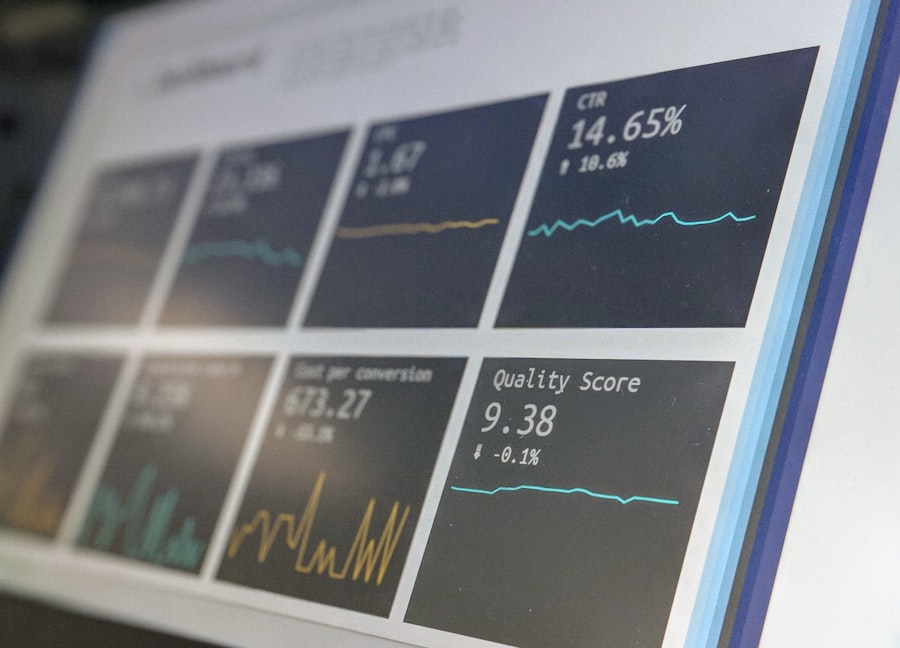
The final step in refining my sales funnel involves continuous analysis and optimization. By tracking key performance indicators (KPIs) such as conversion rates, click-through rates, and customer acquisition costs, I can gain valuable insights into what’s working and what needs improvement. Utilizing tools like Google Analytics allows me to monitor user behavior on my website and identify any bottlenecks in the funnel.
Based on this data, I make informed decisions about where to focus my efforts for optimization. For instance, if I notice a high drop-off rate on a particular landing page, it may indicate that changes are needed in either the design or messaging. A/B testing different elements within the funnel helps me determine which variations yield better results.
By consistently analyzing and optimizing each stage of the sales funnel, I can enhance overall performance and drive greater success for my business. In conclusion, mastering the sales funnel concept is essential for anyone looking to succeed in marketing and sales. By understanding each stage of the funnel—from awareness to retention—I can implement targeted strategies that effectively guide potential customers through their journey while maximizing conversions and fostering long-term relationships with clients.
If you’re interested in learning more about building a sales funnel from scratch, you might find it helpful to explore additional resources that provide insights into effective sales strategies. One such resource is the main page of Bill Sim’s blog, which offers a variety of articles and tips on sales and marketing. You can visit his blog by clicking on this link: Bill Sim’s Blog. This blog could serve as a valuable complement to your understanding of sales funnels, offering broader perspectives and practical advice.