

In the ever-evolving landscape of marketing, the integration of automation and artificial intelligence (AI) has become a game-changer. As I navigate through the complexities of modern marketing, I find that these technologies not only enhance efficiency but also empower marketers to make data-driven decisions. The rise of automation and AI has transformed traditional marketing practices, allowing me to focus on strategic initiatives rather than getting bogged down by mundane tasks.
This shift is not merely a trend; it represents a fundamental change in how I approach my marketing efforts. The potential of automation and AI in marketing is vast. From streamlining processes to personalizing customer experiences, these technologies offer a myriad of benefits.
I have witnessed firsthand how automation can free up valuable time, enabling me to concentrate on creative strategies that resonate with my audience. Moreover, AI’s ability to analyze vast amounts of data allows me to gain insights that were previously unattainable. As I delve deeper into this topic, I aim to explore the various facets of automation and AI in marketing, highlighting their significance and practical applications.
Key Takeaways
- Automation and AI are revolutionizing the marketing industry by streamlining repetitive tasks and optimizing marketing efforts.
- Identifying repetitive marketing tasks is crucial for implementing automation and AI to increase efficiency and productivity.
- AI plays a key role in marketing automation by analyzing data, predicting consumer behavior, and personalizing marketing strategies.
- Choosing the right AI tools for marketing automation involves considering factors such as budget, scalability, and integration with existing systems.
- Implementing AI automation in email marketing can improve personalization, segmentation, and targeting for better engagement and conversion rates.
- Streamlining social media management with AI can help marketers schedule posts, analyze performance, and engage with followers more effectively.
- Optimizing content creation and distribution with AI involves using tools for generating ideas, writing, editing, and distributing content across various channels.
- Measuring and analyzing the impact of AI automation on marketing efforts is essential for understanding ROI, identifying areas for improvement, and making data-driven decisions.
Identifying Repetitive Marketing Tasks
As I reflect on my daily marketing activities, it becomes evident that many tasks are repetitive and time-consuming. These tasks often include data entry, social media posting, email campaigns, and performance tracking. Identifying these repetitive tasks is the first step toward leveraging automation effectively.
By recognizing which activities consume the most time, I can prioritize them for automation, ultimately enhancing my productivity. For instance, managing social media accounts can be a daunting task, especially when I have to post consistently across multiple platforms. Scheduling posts, responding to comments, and analyzing engagement metrics can take hours out of my week.
By pinpointing these repetitive tasks, I can implement automation tools that allow me to schedule posts in advance and monitor engagement without constant manual intervention. This not only saves time but also ensures that my social media presence remains active and engaging.
Understanding the Role of AI in Marketing Automation

AI plays a pivotal role in enhancing marketing automation by providing intelligent solutions that adapt to consumer behavior. As I delve into the capabilities of AI, I realize that it can analyze customer data at an unprecedented scale, identifying patterns and trends that inform my marketing strategies. This level of insight allows me to tailor my campaigns more effectively, ensuring that I reach the right audience with the right message at the right time.
Moreover, AI can enhance customer interactions through chatbots and virtual assistants. These tools can handle customer inquiries in real-time, providing instant responses and freeing up my time for more complex tasks. As I integrate AI into my marketing automation strategy, I find that it not only improves efficiency but also enhances the overall customer experience.
By understanding the role of AI in marketing automation, I can harness its power to create more personalized and impactful campaigns.
Choosing the Right AI Tools for Marketing Automation
With a plethora of AI tools available in the market, choosing the right ones for my marketing automation needs can be overwhelming. Each tool offers unique features and capabilities, making it essential for me to assess my specific requirements before making a decision. I begin by evaluating the tasks I want to automate and identifying tools that align with those objectives.
For instance, if my primary goal is to enhance email marketing efforts, I might consider platforms that offer advanced segmentation and personalization features powered by AI. On the other hand, if social media management is my focus, I would look for tools that provide scheduling capabilities along with analytics to track performance. By carefully selecting the right AI tools, I can ensure that they complement my existing marketing strategies and contribute to achieving my overall goals.
Implementing AI Automation in Email Marketing
Email marketing remains one of the most effective channels for reaching customers, and implementing AI automation can significantly enhance its effectiveness. As I explore this area, I discover that AI can help me segment my audience based on behavior and preferences, allowing for more targeted campaigns.
Additionally, AI-driven tools can optimize send times for my email campaigns, ensuring that my messages reach recipients when they are most likely to engage. This level of personalization not only increases open rates but also fosters a stronger connection with my audience. As I implement AI automation in email marketing, I find that it transforms my approach from a one-size-fits-all strategy to a more tailored experience that drives results.
Streamlining Social Media Management with AI
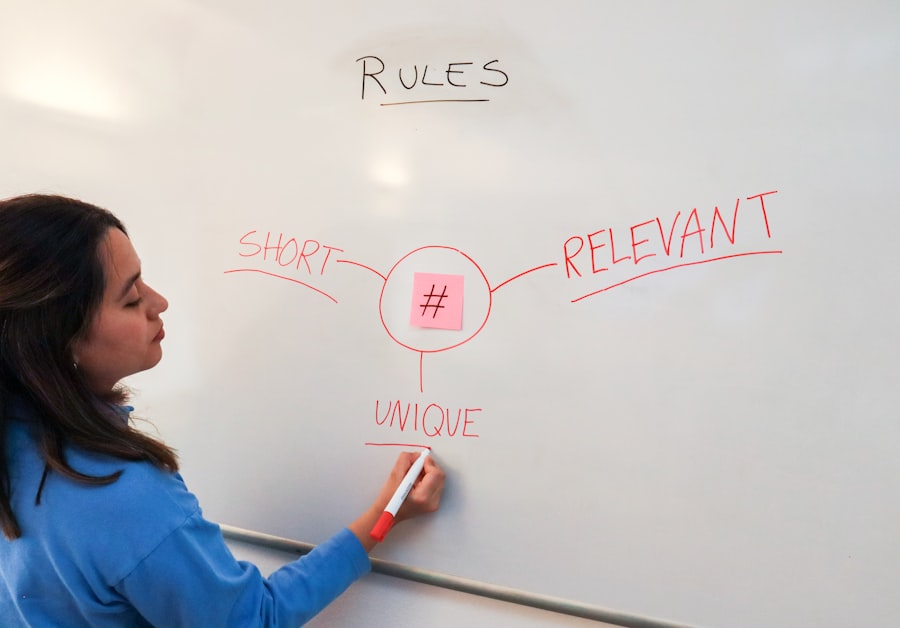
Social media management is another area where AI can make a significant impact. As I juggle multiple platforms, the ability to automate posting schedules and analyze engagement metrics becomes invaluable. AI tools can help me identify the best times to post based on audience activity, ensuring that my content reaches its maximum potential.
Moreover, AI can assist in content curation by analyzing trending topics and suggesting relevant articles or posts to share with my audience. This not only saves me time but also keeps my social media presence fresh and engaging. By streamlining social media management with AI, I can maintain an active online presence while focusing on creating high-quality content that resonates with my followers.
Optimizing Content Creation and Distribution with AI
Content creation is at the heart of any successful marketing strategy, and AI can play a crucial role in optimizing this process. As I explore various AI-driven content creation tools, I find that they can assist in generating ideas, drafting articles, and even optimizing content for search engines. This not only accelerates the content creation process but also ensures that my content is aligned with current trends and audience interests.
Furthermore, AI can enhance content distribution by analyzing which channels yield the best results for specific types of content. By understanding where my audience engages most frequently, I can tailor my distribution strategy accordingly. This targeted approach maximizes the reach of my content and increases the likelihood of engagement.
As I embrace AI in content creation and distribution, I find that it empowers me to produce high-quality content more efficiently while ensuring it reaches the right audience.
Measuring and Analyzing the Impact of AI Automation on Marketing Efforts
As I integrate automation and AI into my marketing strategy, measuring their impact becomes essential for continuous improvement. By utilizing analytics tools powered by AI, I can track key performance indicators (KPIs) such as conversion rates, engagement levels, and return on investment (ROI). This data-driven approach allows me to assess the effectiveness of my campaigns and make informed decisions moving forward.
Moreover, AI can provide predictive analytics that helps me forecast future trends based on historical data. This insight enables me to adjust my strategies proactively rather than reactively. By measuring and analyzing the impact of AI automation on my marketing efforts, I can refine my approach over time, ensuring that I stay ahead of the competition while delivering value to my audience.
In conclusion, the integration of automation and AI in marketing has transformed how I approach my strategies and engage with customers.
As technology continues to evolve, I am excited about the possibilities that lie ahead in leveraging automation and AI to create even more impactful marketing campaigns.
If you’re interested in learning more about leveraging technology to enhance your marketing efforts, you might find the article Level the Playing Field: The Step-by-Step Guide to Earning Online with Affiliate Marketing and Automation particularly insightful. This piece complements the strategies discussed in “How to Automate Repetitive Marketing Tasks With AI” by providing a comprehensive guide on how automation can be effectively integrated into affiliate marketing to maximize efficiency and profitability. By exploring both articles, you can gain a well-rounded understanding of how automation tools can transform your marketing strategies and drive business success.