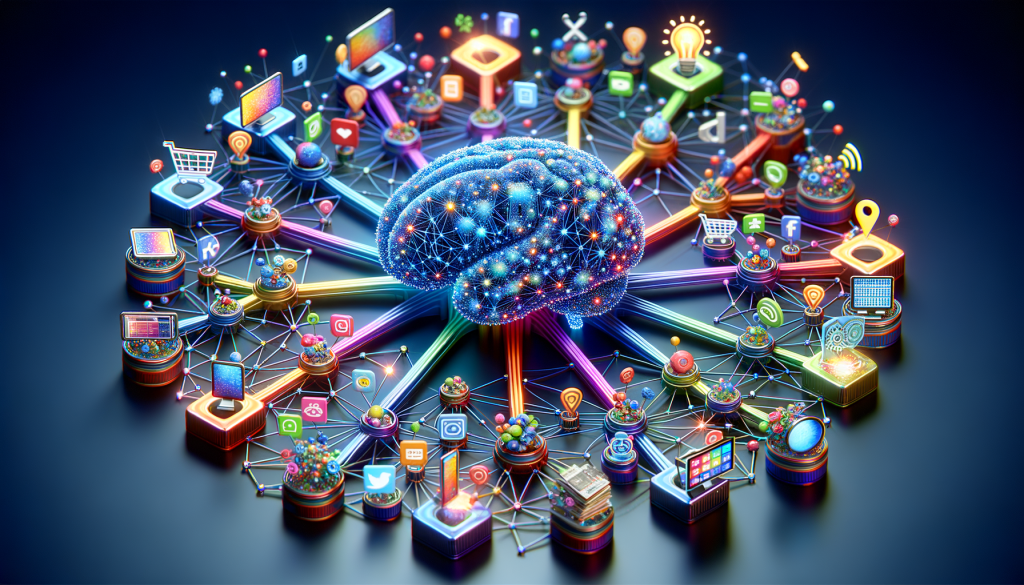

Artificial intelligence (AI) has undergone rapid development in internet marketing over the past decade. Previously considered primarily a science fiction concept, AI applications in marketing were limited to basic algorithms and fundamental data analysis. Contemporary AI technology now offers sophisticated tools that are fundamentally changing how businesses interact with consumers, process information, and develop content.
The evolution of AI in internet marketing includes several key developments. Early implementations featured simple chatbots designed to handle routine customer inquiries, while current systems employ advanced machine learning algorithms that enable personalized marketing campaigns at scale. Modern AI capabilities allow marketers to process large datasets effectively, supporting data-driven decision-making and precisely targeted strategies.
Current applications of AI include enhancing customer experience, improving content optimization, and increasing advertising effectiveness.
Key Takeaways
- AI is transforming internet marketing by enabling highly personalized customer experiences.
- Content creation and optimization are increasingly powered by AI technologies.
- Advanced data analysis and predictive analytics improve marketing strategies and decision-making.
- AI enhances advertising effectiveness through precise targeting and automation.
- Ethical challenges arise with AI use, necessitating careful consideration for future marketing trends.
Personalized Customer Experiences Through AI
One of the most remarkable advancements in AI is its ability to create personalized customer experiences. I have seen how businesses leverage AI algorithms to analyze consumer behavior and preferences, enabling them to tailor their offerings to individual needs. This level of personalization goes beyond simply addressing customers by their names; it involves understanding their purchasing habits, browsing history, and even social media interactions.
By utilizing AI-driven insights, companies can deliver targeted recommendations that resonate with their audience, ultimately leading to increased engagement and loyalty. In my experience, the impact of personalized marketing cannot be overstated. When I receive tailored product suggestions based on my previous purchases or interests, I feel valued as a customer.
This sense of connection fosters a positive relationship between me and the brand. Moreover, AI allows for real-time adjustments to marketing strategies based on customer interactions. For instance, if I abandon my shopping cart, an AI system can trigger a follow-up email with a special offer or reminder, effectively nudging me back toward completing my purchase.
This dynamic approach not only enhances my experience but also drives conversion rates for businesses.
AI-Powered Content Creation and Optimization
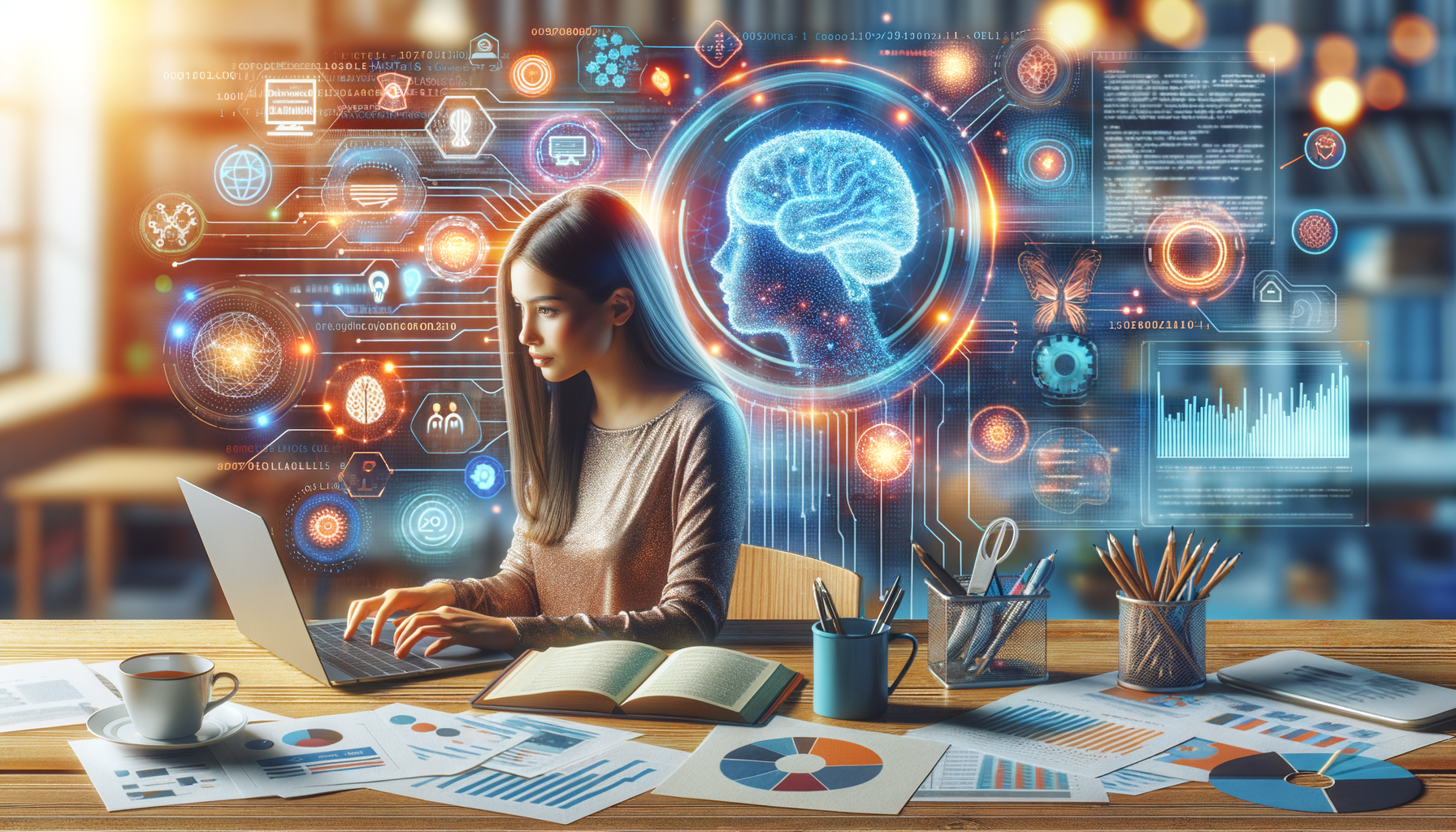
As I navigate the digital landscape, I am continually amazed by the role AI plays in content creation and optimization. Gone are the days when marketers relied solely on human creativity to generate engaging content. Today, AI tools can analyze trending topics, identify gaps in existing content, and even generate written material that aligns with a brand’s voice.
I have witnessed how these tools can save time and resources while maintaining high-quality output. Moreover, AI’s ability to optimize content for search engines is a game-changer. By analyzing keywords, user intent, and competitive landscapes, AI can suggest improvements that enhance a piece’s visibility and relevance.
I have found that incorporating AI-driven insights into my content strategy not only boosts organic traffic but also ensures that my messaging resonates with my target audience. The combination of human creativity and AI efficiency creates a powerful synergy that elevates content marketing to new heights.
Enhanced Data Analysis and Predictive Analytics
Data has always been at the heart of effective marketing strategies, but the sheer volume of information available today can be overwhelming. This is where AI truly shines. I have come to appreciate how AI-powered tools can sift through vast datasets, identifying patterns and trends that would be nearly impossible for humans to discern on their own.
By leveraging machine learning algorithms, businesses can gain valuable insights into customer behavior, market trends, and campaign performance. Predictive analytics is another area where AI has made significant strides. By analyzing historical data and identifying correlations, AI can forecast future trends and consumer behavior with remarkable accuracy.
In my own marketing efforts, I have utilized predictive analytics to anticipate customer needs and adjust my strategies accordingly. For example, if data indicates a seasonal spike in demand for a particular product, I can proactively ramp up inventory and tailor my marketing messages to align with that trend. This forward-thinking approach not only enhances operational efficiency but also positions businesses to capitalize on emerging opportunities.
AI-Driven Advertising and Targeting
The landscape of advertising has been revolutionized by AI technologies that enable hyper-targeted campaigns. I have seen how businesses can now leverage AI algorithms to analyze user data and segment audiences with unprecedented precision. This level of targeting ensures that advertisements reach the right people at the right time, maximizing the chances of conversion.
For instance, if I frequently browse travel websites, I might start seeing ads for vacation packages tailored to my preferences—an experience that feels both relevant and timely. Moreover, AI-driven advertising platforms continuously learn from user interactions, allowing for real-time optimization of ad campaigns. I have experienced this firsthand when engaging with ads that seem to evolve based on my behavior.
If I click on an ad but do not convert immediately, the system may adjust its approach by offering a different incentive or showcasing related products in subsequent ads. This adaptability not only enhances the effectiveness of advertising efforts but also creates a more seamless experience for consumers like myself.
The Rise of Voice Search and AI Assistants in Marketing
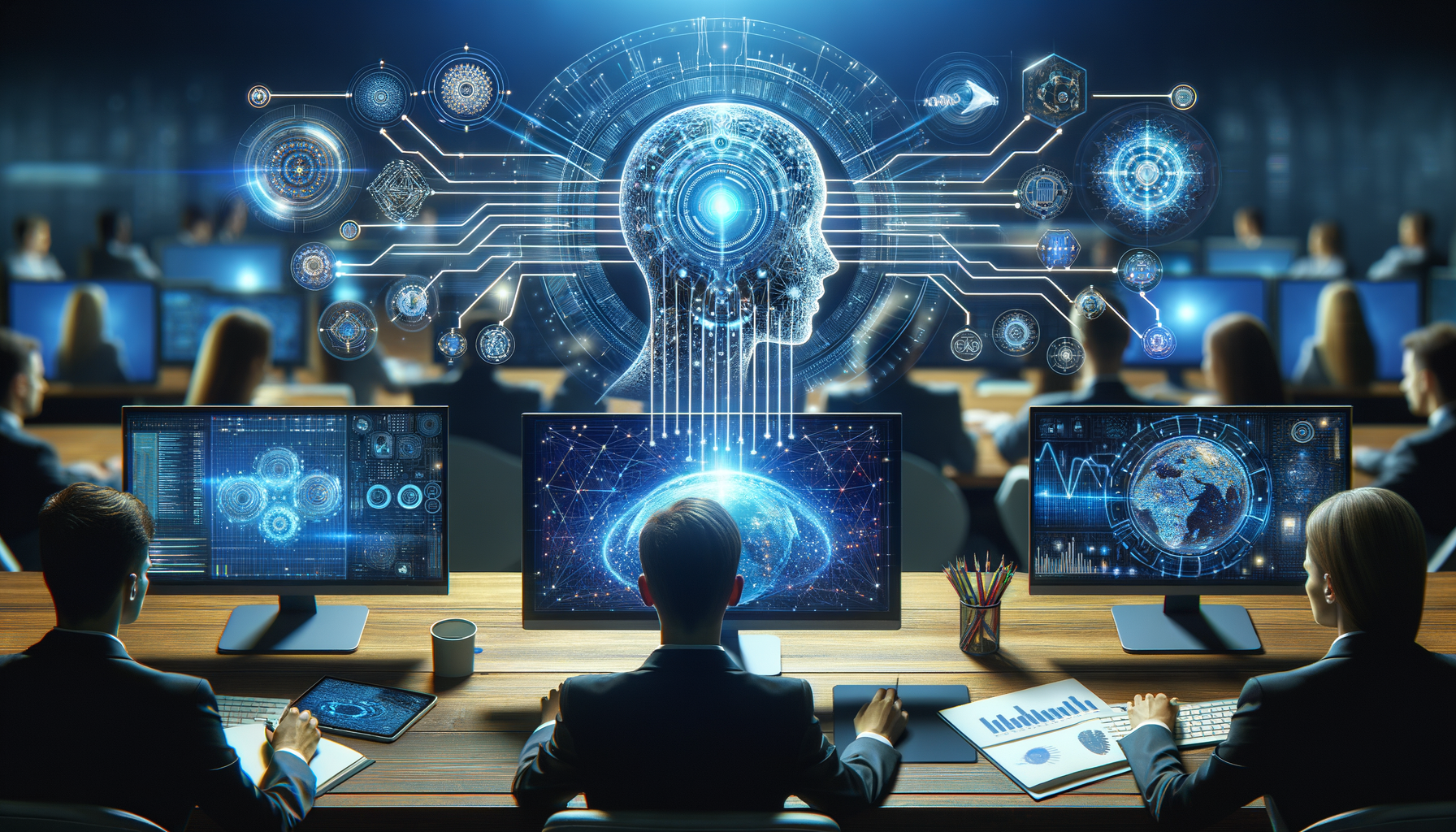
As technology continues to evolve, voice search and AI assistants have emerged as powerful tools in the marketing arsenal. I have noticed a significant shift in how consumers interact with brands through voice-activated devices like smart speakers and virtual assistants. This trend has prompted marketers to rethink their strategies and optimize their content for voice search queries.
The conversational nature of voice search requires a different approach than traditional text-based searches, and I find it fascinating how brands are adapting to this change. In my own experience using voice search, I appreciate the convenience it offers—whether I’m looking for local restaurants or seeking product recommendations while multitasking. Marketers are now focusing on creating content that answers common questions in a conversational tone, ensuring they capture voice search traffic effectively.
Additionally, integrating AI assistants into customer service channels has enhanced my interactions with brands. When I ask a question or seek assistance through an AI-powered chatbot, I often receive immediate responses that address my needs without delay.
Ethical Considerations and Challenges in AI-Driven Marketing
While the benefits of AI in internet marketing are undeniable, I am also acutely aware of the ethical considerations and challenges that accompany its implementation. As businesses increasingly rely on data-driven insights, concerns about privacy and data security have come to the forefront. I often find myself questioning how my personal information is being used and whether it is being handled responsibly by companies.
Moreover, there is the potential for bias in AI algorithms that can lead to unintended consequences in marketing strategies. If an algorithm is trained on biased data sets, it may perpetuate stereotypes or exclude certain demographics from targeted campaigns. As someone who values inclusivity and fairness, I believe it is crucial for marketers to prioritize ethical considerations when developing AI-driven strategies.
Transparency in data usage and ongoing efforts to mitigate bias are essential steps toward building trust with consumers like myself.
The Future of AI in Internet Marketing: Opportunities and Trends
Looking ahead, I am excited about the future of AI in internet marketing and the myriad opportunities it presents. As technology continues to advance, I anticipate even greater integration of AI into marketing strategies across various industries. The potential for enhanced personalization will only grow as businesses refine their understanding of consumer behavior through advanced analytics.
Additionally, emerging technologies such as augmented reality (AR) and virtual reality (VR) are likely to intersect with AI in innovative ways. I envision immersive experiences that allow consumers to engage with products in entirely new dimensions—transforming how brands connect with their audiences. As these trends unfold, I am eager to see how marketers will adapt their strategies to leverage these advancements while maintaining ethical standards.
In conclusion, the evolution of AI in internet marketing has been nothing short of remarkable. From personalized customer experiences to enhanced data analysis and predictive analytics, AI has transformed how businesses engage with consumers and optimize their strategies. As I continue to navigate this dynamic landscape, I remain optimistic about the future possibilities that lie ahead—both for marketers and consumers alike.
As we explore the transformative impact of AI on internet marketing in 2026, it’s essential to consider how various strategies can complement these advancements. One such strategy is the use of webinars and automation, which can significantly enhance your mailing list and scale your business. For more insights on this topic, check out the article on how webinars and automation can build your mailing list and scale your business.