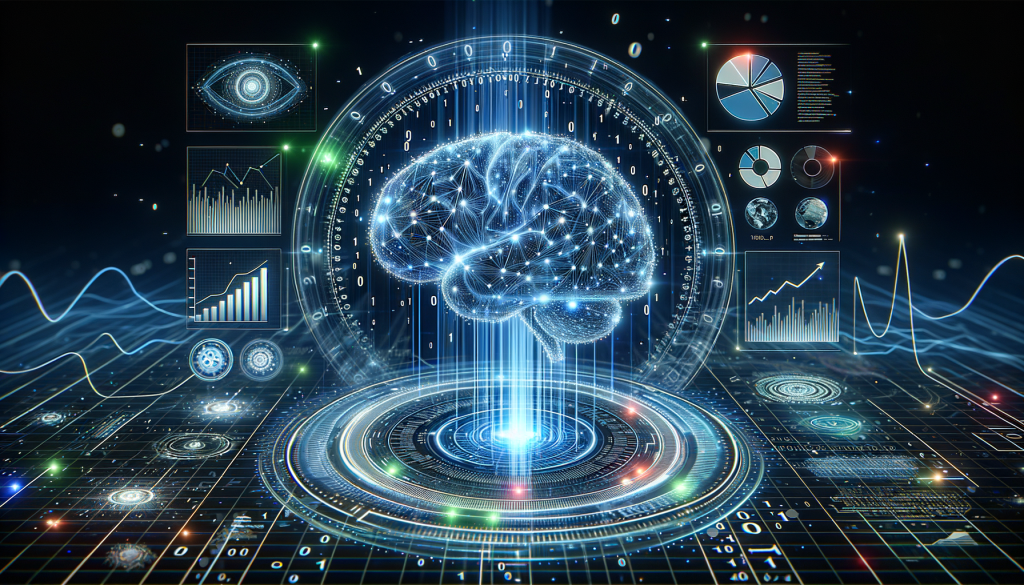

Artificial intelligence has become an integral component of modern marketing strategy. AI technologies enable businesses to process large datasets and extract meaningful patterns that inform marketing decisions. Machine learning algorithms and predictive analytics allow marketers to identify emerging trends and anticipate consumer behavior, resulting in more targeted and timely campaigns.
The application of AI in marketing offers several practical advantages. Data analysis capabilities have improved significantly, allowing organizations to move beyond basic reporting to actionable intelligence. Personalization has become more sophisticated, with AI systems capable of tailoring content and recommendations to individual user preferences at scale.
Additionally, AI-driven automation has increased operational efficiency by streamlining routine tasks and optimizing resource allocation. Current marketing applications of AI include customer segmentation, demand forecasting, content optimization, and campaign performance analysis. These tools help organizations allocate budgets more effectively and measure return on investment with greater accuracy.
As consumer data continues to expand and market conditions shift rapidly, AI provides marketers with the analytical capacity to maintain competitive positioning and respond to market changes more effectively.
Key Takeaways
- AI enhances marketing decisions through advanced data analysis and predictive modeling.
- Personalized customer targeting improves engagement and conversion rates.
- Real-time campaign optimization allows for dynamic adjustments to maximize impact.
- Automated content creation streamlines marketing efforts and boosts efficiency.
- Ethical considerations are crucial to ensure responsible use of AI in marketing.
Data Analysis and Predictive Modeling
One of the most compelling aspects of AI in marketing is its ability to analyze data at an unprecedented scale. I often find myself sifting through mountains of information, from customer demographics to purchasing behaviors, and AI tools have become indispensable in this process. By employing advanced analytics, I can uncover patterns and trends that would be nearly impossible to identify manually.
This data analysis not only informs my marketing strategies but also allows me to make predictions about future consumer behavior. Predictive modeling is another powerful application of AI that I have come to rely on. By utilizing historical data, I can create models that forecast future outcomes with remarkable accuracy.
For instance, I can predict which products are likely to be popular in the upcoming season or identify potential churn risks among my customer base. This foresight enables me to proactively address issues and capitalize on opportunities, ultimately leading to more effective marketing campaigns. The combination of data analysis and predictive modeling has transformed my approach to decision-making, allowing me to be more strategic and forward-thinking in my marketing efforts.
Personalized Customer Targeting
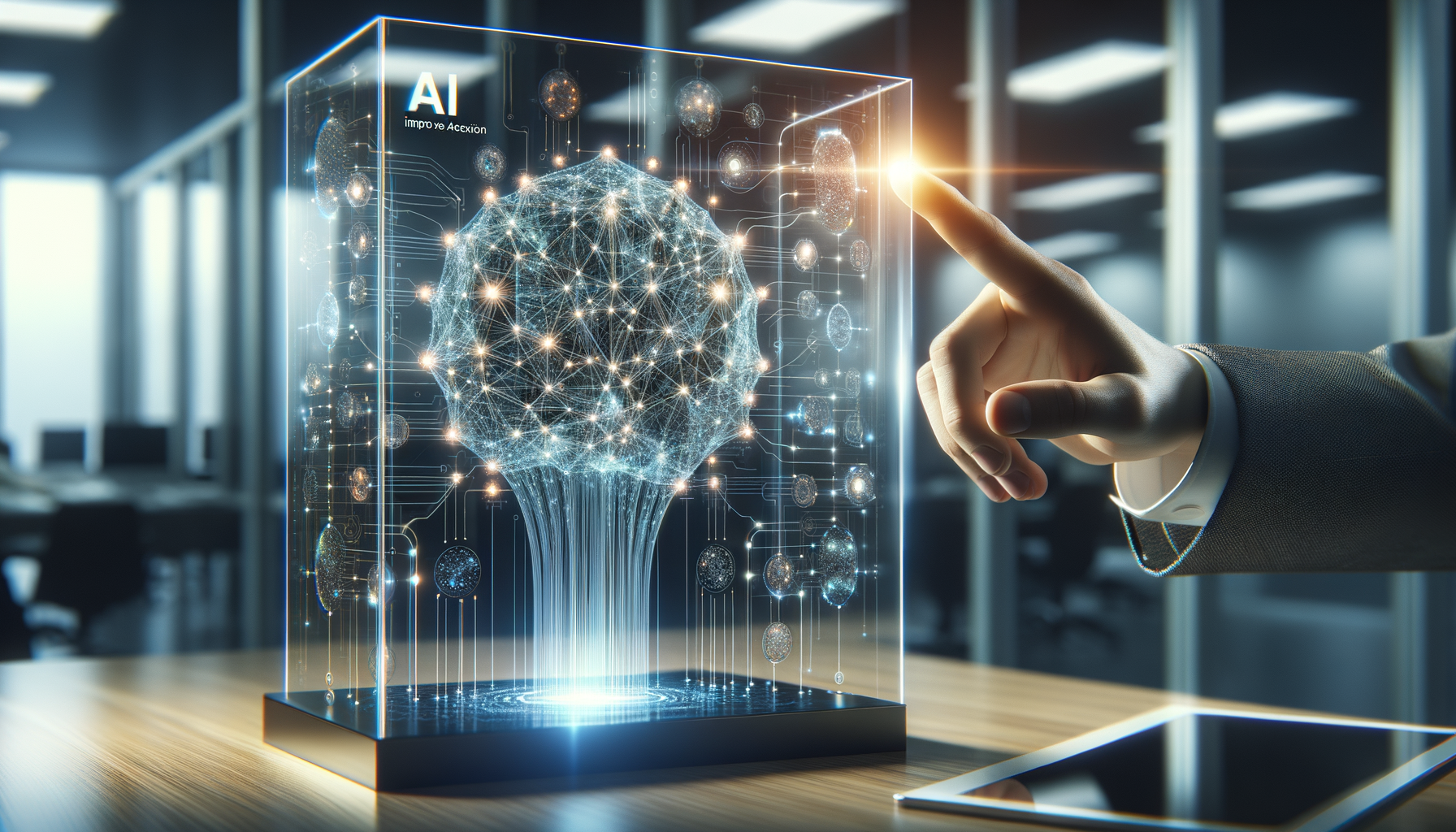
In today’s competitive landscape, personalization has become a key differentiator for brands. I have witnessed firsthand how AI enhances my ability to target customers with tailored messages and offers. By analyzing individual customer data, such as past purchases and browsing behavior, AI algorithms enable me to create highly personalized marketing campaigns that resonate with specific segments of my audience.
This level of customization not only improves engagement but also fosters a deeper connection between my brand and customers. Moreover, the insights gained from AI-driven customer targeting allow me to refine my messaging and optimize my marketing channels. For example, I can determine which platforms are most effective for reaching different demographics, ensuring that my efforts are focused where they will have the greatest impact.
The result is a more efficient allocation of resources and a higher likelihood of conversion. As I embrace personalized customer targeting through AI, I am continually reminded of the importance of understanding my audience on a granular level and delivering experiences that truly meet their needs.
Real-time Campaign Optimization
The fast-paced nature of digital marketing demands agility, and AI provides me with the tools necessary for real-time campaign optimization. Gone are the days when I had to wait for weeks or even months to assess the performance of a campaign. With AI-driven analytics, I can monitor key performance indicators (KPIs) in real time, allowing me to make immediate adjustments based on performance data.
This capability is invaluable in maximizing the effectiveness of my campaigns and ensuring that I am always aligned with market dynamics. For instance, if I notice that a particular ad is underperforming, I can quickly pivot my strategy by adjusting targeting parameters or reallocating budget resources to more successful initiatives. This level of responsiveness not only enhances campaign performance but also improves overall ROI.
The ability to optimize campaigns in real time has fundamentally changed how I approach marketing, enabling me to be more proactive rather than reactive in my decision-making.
Automated Content Creation and Optimization
Content is at the heart of any successful marketing strategy, and AI has significantly streamlined the content creation process for me. With advancements in natural language processing (NLP) and machine learning, I can now leverage AI tools to generate high-quality content efficiently. Whether it’s crafting blog posts, social media updates, or email newsletters, AI assists me in producing relevant and engaging material that resonates with my audience.
Additionally, AI plays a crucial role in optimizing content for search engines and user engagement. By analyzing user behavior and preferences, AI algorithms can suggest improvements to headlines, keywords, and overall structure. This optimization ensures that my content not only reaches its intended audience but also drives meaningful interactions.
As I embrace automated content creation and optimization, I find myself able to focus more on strategic planning and creative ideation while leaving the repetitive tasks to AI.
Improved Customer Experience
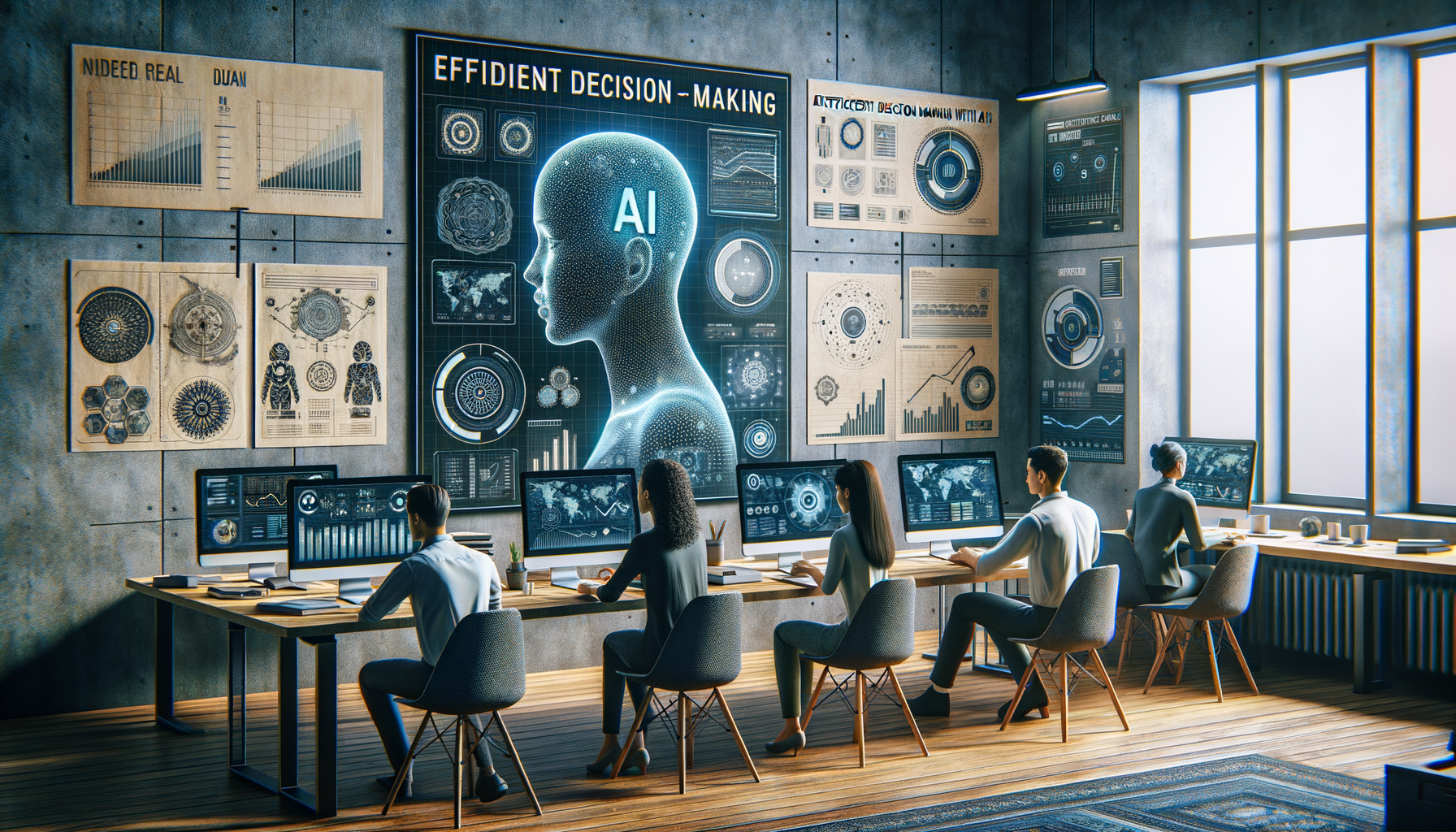
At the core of effective marketing lies the customer experience, and AI has become an essential ally in enhancing this aspect of my work. By utilizing AI-driven chatbots and virtual assistants, I can provide immediate support to customers, addressing their inquiries and concerns around the clock. This level of accessibility not only improves customer satisfaction but also fosters loyalty as customers feel valued and heard.
Furthermore, AI enables me to gather feedback from customers in real time, allowing me to make necessary adjustments to products or services based on their input. By analyzing sentiment data from social media and online reviews, I can gain insights into how customers perceive my brand and identify areas for improvement. This continuous feedback loop ensures that I am always attuned to customer needs and preferences, ultimately leading to a more positive overall experience.
Enhanced Marketing ROI
As a marketer, one of my primary goals is to maximize return on investment (ROI), and AI has proven instrumental in achieving this objective. By leveraging data-driven insights and predictive analytics, I can allocate resources more effectively across various marketing channels. This strategic approach allows me to focus on initiatives that yield the highest returns while minimizing wasteful spending on underperforming campaigns.
Moreover, AI’s ability to track and measure campaign performance in real time provides me with valuable insights into what works and what doesn’t. By continuously analyzing data and adjusting strategies accordingly, I can optimize my marketing efforts for maximum impact. The result is not only improved ROI but also a more sustainable approach to marketing that aligns with long-term business goals.
Ethical Considerations in AI-Driven Marketing Decision Making
While the benefits of AI in marketing are undeniable, it is essential for me to navigate the ethical considerations that accompany its use. As I harness the power of data analytics and personalization, I must remain vigilant about privacy concerns and ensure that customer data is handled responsibly. Transparency is key; I strive to communicate clearly with customers about how their data is being used and provide them with options for opting out if they choose.
Additionally, I recognize the potential for bias in AI algorithms, which can inadvertently lead to discriminatory practices in targeting or messaging. It is crucial for me to regularly audit my AI systems and ensure that they are designed to promote inclusivity rather than exclusion. By prioritizing ethical considerations in my AI-driven marketing decision-making processes, I can build trust with my audience while leveraging technology responsibly.
In conclusion, as I reflect on the profound impact of AI on marketing decision-making, I am filled with a sense of excitement about the future possibilities it holds. From data analysis and predictive modeling to personalized targeting and real-time optimization, AI has become an indispensable tool in my marketing arsenal. However, as I embrace these advancements, I remain committed to ethical practices that prioritize customer trust and transparency.
The journey ahead promises continued innovation and growth as I navigate the evolving landscape of marketing in an increasingly digital world.
In exploring the ways AI enhances decision-making in marketing, it’s also valuable to consider the foundational aspects of building a successful online business. An insightful article that delves into this topic is titled “Embrace the Now: Planting the Seeds for Your Online Business Success,” which discusses strategies for leveraging technology and innovation in business growth. You can read it [here](https://billsimblog.com/embrace-the-now-planting-the-seeds-for-your-online-business-success/).