
Customer behavior encompasses the patterns, preferences, and motivations that drive purchasing decisions. Each customer represents a distinct demographic with individual needs and habits. Analyzing these behaviors provides actionable insights for business strategy and decision-making.
Understanding customer behavior requires examining both what customers purchase and why they make those choices. This analysis typically employs multiple research methodologies, including surveys, focus groups, and data analytics, to gather both qualitative and quantitative information. Customer segmentation plays a critical role in this analysis.
By categorizing customers according to demographic characteristics, psychographic profiles, and purchasing patterns, businesses can develop targeted approaches for specific groups. Research demonstrates that consumer preferences often correlate with age—younger consumers tend to favor online shopping channels, while older demographics typically prefer traditional in-store retail experiences. This segmentation enables the development of focused marketing campaigns tailored to each group’s preferences, which can increase engagement and sales performance.
A comprehensive understanding of customer behavior facilitates the development of stronger customer relationships and supports long-term customer retention.
Key Takeaways
- Understanding customer behavior is essential for creating effective personalized interactions.
- Predictive analytics helps anticipate customer needs and improve support strategies.
- Automation in customer support enhances response times and efficiency.
- Tailored product recommendations increase customer satisfaction and sales.
- Proactive issue resolution and seamless experiences boost customer loyalty.
Personalized Customer Interactions
Personalization has become a cornerstone of effective customer engagement in today’s market. I have learned that customers appreciate when brands take the time to understand their individual preferences and tailor interactions accordingly. This can manifest in various ways, from personalized email marketing campaigns to customized product recommendations on e-commerce platforms.
By leveraging data collected from previous interactions, I can create a more relevant and engaging experience for each customer. Moreover, I recognize that personalization goes beyond mere product suggestions; it encompasses the entire customer journey. For instance, when I reach out to a customer service representative, I expect them to be aware of my previous interactions and preferences.
This level of attentiveness not only enhances my experience but also fosters a sense of connection with the brand. By prioritizing personalized interactions, I can build trust and loyalty among my customers, ultimately leading to increased satisfaction and retention.
Predictive Analytics for Customer Needs
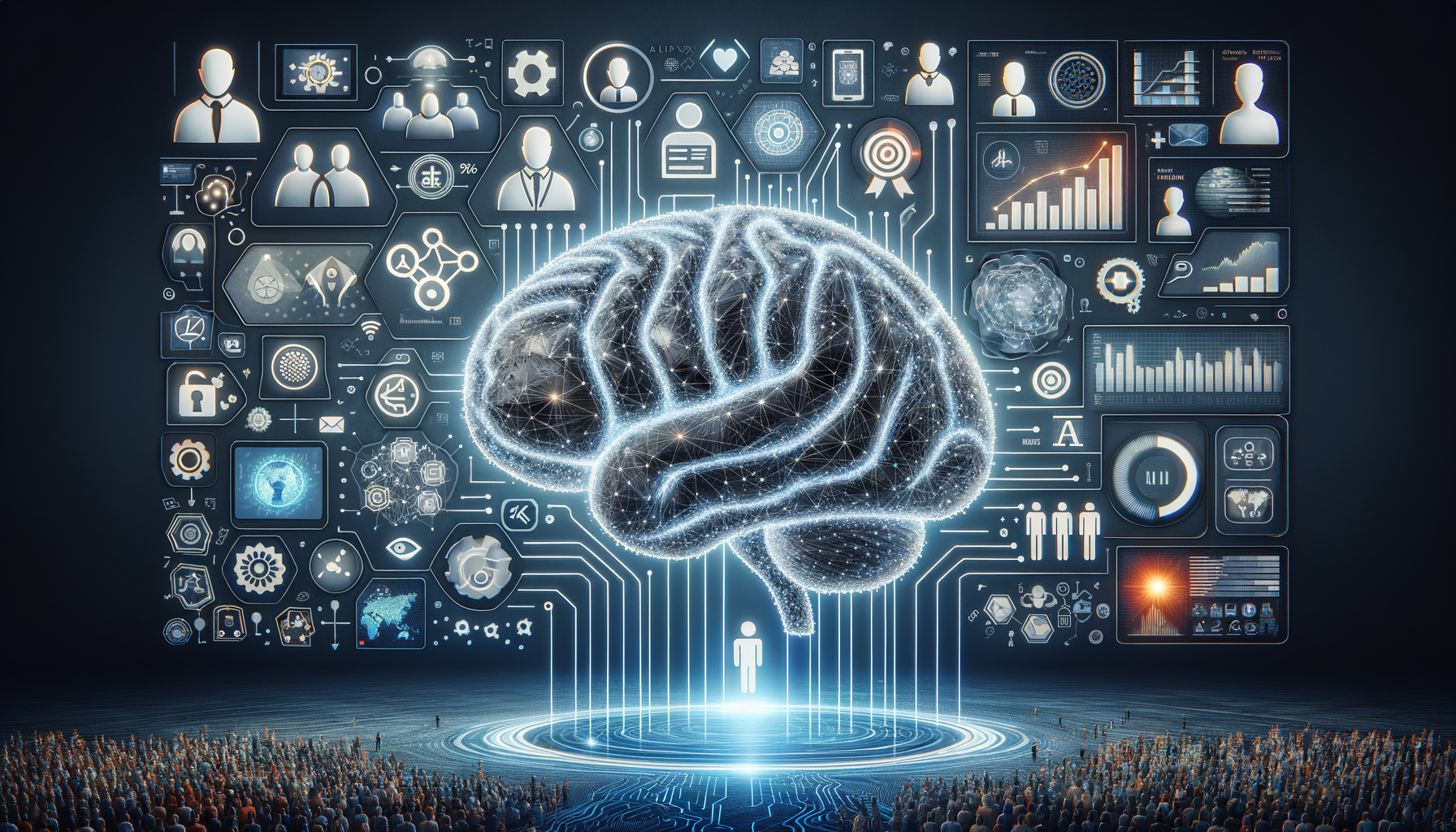
In my quest to better serve my customers, I have discovered the power of predictive analytics. This advanced analytical technique allows me to anticipate customer needs and preferences based on historical data and trends. By analyzing past purchasing behavior, browsing patterns, and demographic information, I can identify potential future actions and tailor my offerings accordingly.
This proactive approach not only enhances the customer experience but also drives sales and revenue growth. For example, if I notice a trend where customers who purchase a particular product often buy complementary items shortly thereafter, I can use this insight to create targeted marketing campaigns or bundle offers. Predictive analytics enables me to stay one step ahead of my customers, ensuring that I am providing them with the right products at the right time.
As I continue to refine my predictive models, I find that my ability to meet customer needs becomes increasingly precise, resulting in higher levels of satisfaction and loyalty.
Automated Customer Support
As technology continues to evolve, I have embraced the benefits of automated customer support systems. These tools not only streamline operations but also enhance the overall customer experience. By implementing chatbots and AI-driven support systems, I can provide immediate assistance to customers at any time of day or night.
This level of accessibility is crucial in today’s fast-paced world, where customers expect quick resolutions to their inquiries. While some may argue that automation lacks the personal touch of human interaction, I have found that it can actually complement traditional support methods. For instance, chatbots can handle routine inquiries efficiently, freeing up human agents to focus on more complex issues that require empathy and understanding.
By striking the right balance between automation and human support, I can ensure that my customers receive timely assistance while still feeling valued and heard.
Tailored Product Recommendations
One of the most effective ways to enhance customer satisfaction is through tailored product recommendations. Drawing on my understanding of customer behavior and preferences, I can curate personalized suggestions that resonate with each individual. This not only increases the likelihood of additional purchases but also creates a more enjoyable shopping experience for my customers.
To achieve this level of personalization, I utilize advanced algorithms and machine learning techniques that analyze vast amounts of data. By examining factors such as past purchases, browsing history, and even social media activity, I can identify patterns that inform my recommendations. For example, if a customer frequently buys eco-friendly products, I can highlight similar items that align with their values.
This thoughtful approach not only drives sales but also reinforces the idea that I genuinely care about meeting their needs.
Enhanced Customer Loyalty Programs
In my efforts to cultivate lasting relationships with customers, I have recognized the importance of robust loyalty programs. These initiatives not only reward repeat business but also foster a sense of belonging among customers. By offering exclusive perks such as discounts, early access to new products, or personalized experiences, I can incentivize customers to remain loyal to my brand.
Moreover, I have learned that successful loyalty programs go beyond mere transactions; they create emotional connections with customers. For instance, by celebrating milestones such as birthdays or anniversaries with special offers or personalized messages, I can make customers feel valued and appreciated. This emotional engagement is crucial in building long-term loyalty and encouraging customers to advocate for my brand within their social circles.
Proactive Issue Resolution
In my journey toward exceptional customer service, I have come to understand the significance of proactive issue resolution. Rather than waiting for customers to voice their concerns or complaints, I strive to identify potential issues before they escalate. This proactive approach not only minimizes frustration for customers but also demonstrates my commitment to their satisfaction.
For example, if I notice a recurring issue with a particular product or service based on customer feedback or data analysis, I take immediate action to address it. This might involve reaching out to affected customers with solutions or implementing changes to prevent future occurrences. By being proactive in resolving issues, I not only enhance the customer experience but also build trust and credibility for my brand.
Seamless Customer Experience
Ultimately, my goal is to create a seamless customer experience that transcends all touchpoints along the customer journey. From initial awareness through post-purchase support, every interaction should feel cohesive and effortless. To achieve this level of integration, I focus on aligning my messaging, branding, and service offerings across all channels.
I have found that investing in technology plays a crucial role in facilitating a seamless experience. By utilizing customer relationship management (CRM) systems and omnichannel strategies, I can ensure that customers receive consistent messaging regardless of whether they engage with me online or in-store. Additionally, by gathering feedback at various stages of the journey, I can continuously refine and improve the experience based on real-time insights.
In conclusion, understanding customer behavior is just the beginning of creating meaningful interactions that drive loyalty and satisfaction. Through personalized engagement, predictive analytics, automated support systems, tailored recommendations, enhanced loyalty programs, proactive issue resolution, and a seamless experience across all touchpoints, I am committed to fostering lasting relationships with my customers. As I continue to evolve in this dynamic landscape, I remain dedicated to putting my customers at the heart of everything I do.
In exploring the ways AI enhances customer retention and engagement, it’s also valuable to consider how effective communication strategies can further support these efforts. For insights on leveraging webinars and automation to build your mailing list and scale your business, check out this related article: How Webinars and Automation Can Build Your Mailing List and Scale Your Business. This resource provides practical tips that can complement AI-driven strategies, ensuring a comprehensive approach to customer engagement.