

Artificial intelligence has become increasingly important in modern marketing practices. AI integration into marketing strategies has changed how businesses interact with customers, process information, and improve campaign performance. Marketing has shifted from relying on experience and conventional approaches to using AI tools that enable marketers to make decisions based on data analysis and measurable results.
This transition improves operational efficiency and provides better insights into how consumers behave, leading to more effective marketing strategies. The adoption of AI in marketing represents a significant shift in how brands communicate with customers. Machine learning, natural language processing, and predictive analytics allow marketers to create more specific and customized marketing campaigns.
This development is important because consumers today receive large amounts of information and advertising. To be competitive, marketers must use AI to deliver relevant content that appeals to their target audience, which helps build customer loyalty and increase sales.
Key Takeaways
- AI enhances marketing by enabling advanced data analysis and customer behavior prediction.
- Personalized content creation is improved through AI-driven insights and automation.
- Real-time campaign optimization allows marketers to adjust strategies instantly for better results.
- AI supports competitive intelligence by analyzing market trends and competitor activities.
- Ethical considerations are crucial to ensure responsible use of AI in marketing practices.
AI-Powered Data Analysis
One of the most compelling aspects of AI in marketing is its ability to analyze vast amounts of data quickly and efficiently. As I navigate through the complexities of consumer information, I realize that traditional data analysis methods often fall short in providing actionable insights. AI-powered tools can sift through mountains of data, identifying patterns and trends that would be nearly impossible for a human analyst to detect.
This capability allows me to make informed decisions based on real-time insights rather than relying on outdated or incomplete information. Moreover, AI-driven data analysis enables me to segment my audience more effectively. By understanding the nuances of different consumer groups, I can tailor my marketing strategies to meet their specific needs and preferences.
For instance, AI algorithms can analyze purchasing behavior, social media interactions, and demographic information to create detailed customer profiles. This level of granularity empowers me to craft targeted campaigns that resonate with each segment, ultimately leading to higher engagement rates and improved ROI.
Predictive Customer Behavior Analysis
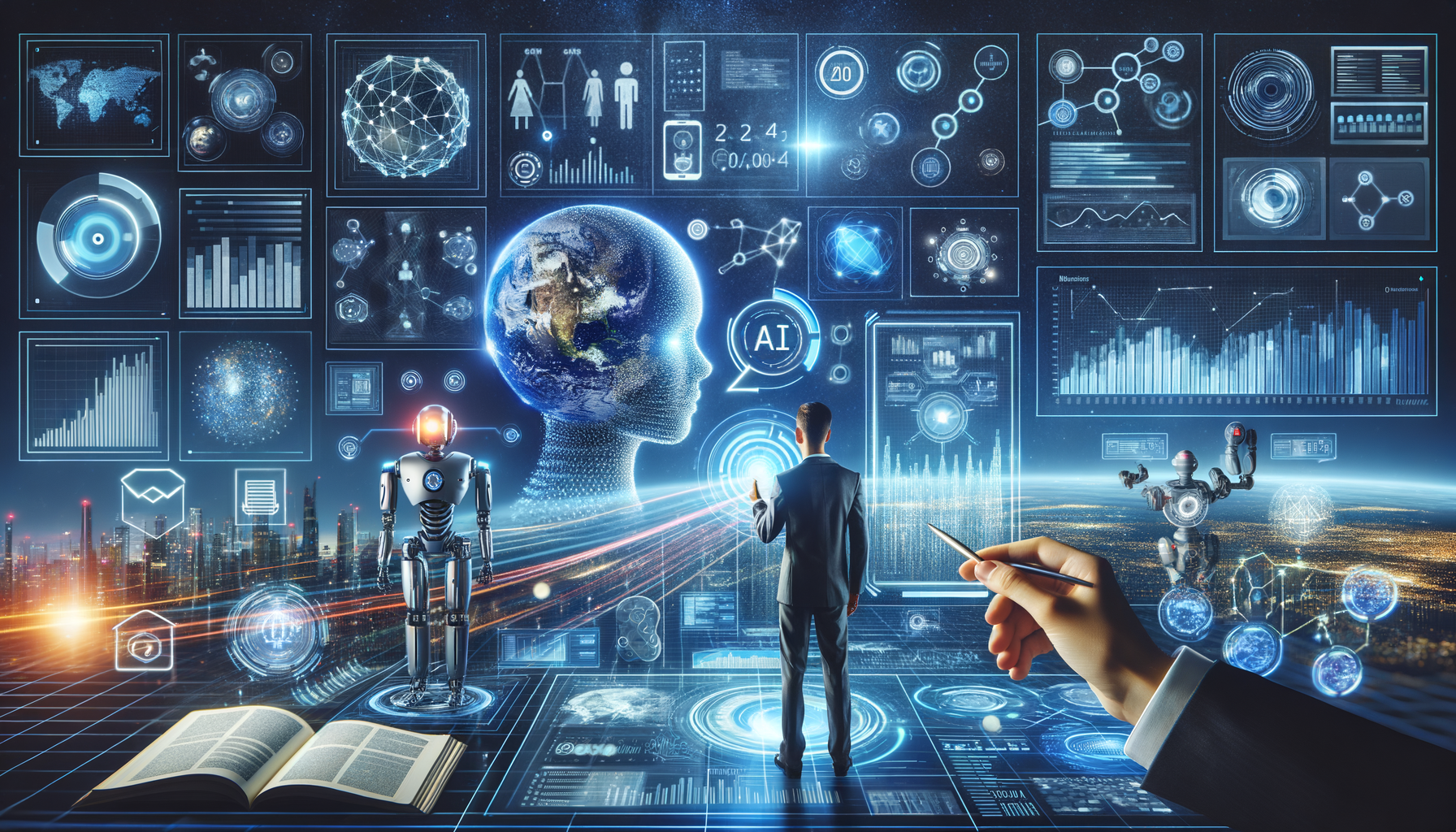
As I explore the realm of predictive analytics, I am fascinated by its potential to forecast customer behavior with remarkable accuracy. By leveraging historical data and machine learning algorithms, I can anticipate future actions of my customers, such as their likelihood to purchase or churn. This foresight is invaluable in shaping my marketing strategies, allowing me to proactively address customer needs and preferences before they even arise.
For example, if I notice a trend indicating that a particular segment of my audience is likely to abandon their shopping carts, I can implement targeted interventions to re-engage them. Whether it’s sending personalized reminders or offering incentives, predictive analytics equips me with the tools to enhance customer retention. This proactive approach not only improves customer satisfaction but also drives revenue growth by minimizing lost sales opportunities.
Personalized Content Creation
In an age where consumers crave authenticity and relevance, personalized content creation has become a cornerstone of effective marketing strategies. With the help of AI, I can now generate tailored content that speaks directly to individual preferences and interests. By analyzing user behavior and engagement patterns, AI algorithms can suggest topics, formats, and even tones that resonate with specific audience segments.
The ability to create personalized content extends beyond mere customization; it allows me to forge deeper connections with my audience. For instance, by utilizing AI-driven insights, I can craft email campaigns that address specific pain points or interests of my subscribers. This level of personalization not only enhances the user experience but also increases the likelihood of conversions.
As I witness the positive impact of personalized content on engagement metrics, I am reminded of the importance of understanding my audience on a granular level.
Real-Time Campaign Optimization
One of the most exciting advancements in AI-driven marketing is the capability for real-time campaign optimization. In the past, I often had to wait for weeks or even months to assess the effectiveness of a marketing campaign. However, with AI tools at my disposal, I can monitor performance metrics in real time and make adjustments on the fly.
This agility allows me to respond to changing market conditions and consumer behaviors swiftly. For example, if I notice that a particular ad is underperforming, I can analyze the data immediately and identify potential issues—be it targeting, messaging, or creative elements. Armed with these insights, I can make informed decisions to tweak my campaign for better results.
This iterative approach not only maximizes my marketing budget but also ensures that I am delivering the most relevant content to my audience at any given moment.
Competitive Intelligence
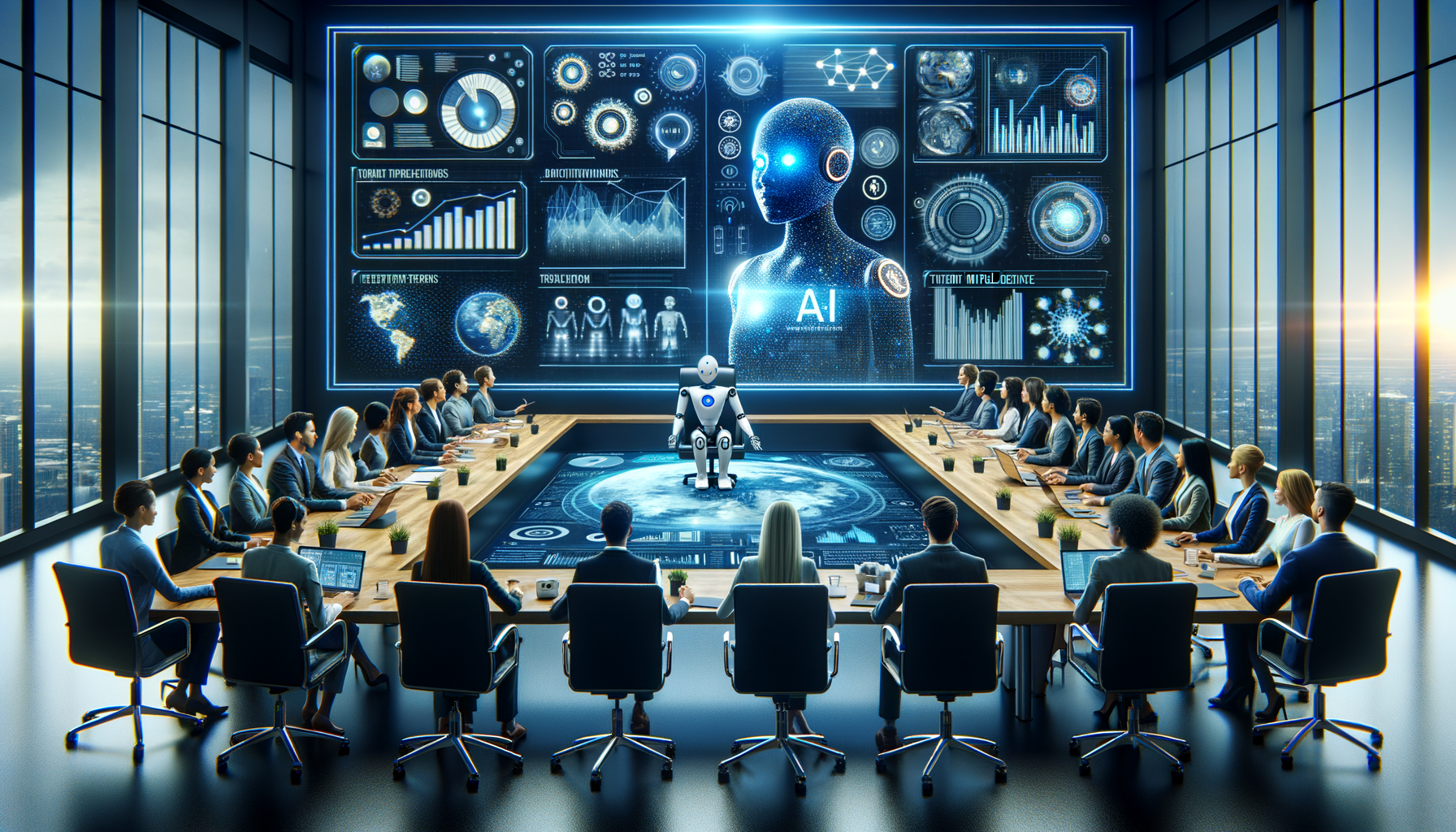
In today’s fast-paced business environment, staying ahead of the competition is crucial for success. AI-powered competitive intelligence tools have become invaluable resources for me as I seek to understand market dynamics and competitor strategies. By analyzing vast amounts of publicly available data—such as social media activity, website traffic, and customer reviews—I can gain insights into what my competitors are doing well and where they may be falling short.
This competitive analysis allows me to identify gaps in the market that I can exploit. For instance, if I discover that a competitor is receiving negative feedback about their customer service, I can position my brand as a more customer-centric alternative. Additionally, by monitoring industry trends and shifts in consumer preferences through AI tools, I can adapt my strategies proactively rather than reactively.
This forward-thinking approach not only enhances my competitive edge but also fosters innovation within my marketing efforts.
AI-Powered Customer Service
As I reflect on the role of customer service in marketing, it becomes clear that AI has significantly enhanced this aspect as well. Chatbots and virtual assistants powered by AI have transformed how businesses interact with their customers. These tools enable me to provide instant support and assistance around the clock, ensuring that my customers receive timely responses to their inquiries.
The benefits of AI-powered customer service extend beyond mere efficiency; they also enhance the overall customer experience. By utilizing natural language processing capabilities, chatbots can understand and respond to customer queries in a conversational manner. This not only streamlines communication but also fosters a sense of connection between my brand and its customers.
As I witness increased customer satisfaction and loyalty resulting from improved service interactions, I am reminded of the importance of prioritizing customer needs in my marketing strategy.
Ethical Considerations in AI-Driven Marketing
While the advantages of AI in marketing are undeniable, it is essential for me to consider the ethical implications that accompany its use. As I harness the power of AI-driven tools, I must remain vigilant about issues such as data privacy and algorithmic bias. The collection and analysis of consumer data raise important questions about consent and transparency; it is my responsibility to ensure that I am using this information ethically and responsibly.
Moreover, as I implement AI algorithms in my marketing strategies, I must be aware of potential biases that may inadvertently influence outcomes. For instance, if my training data reflects societal biases, it could lead to skewed targeting or messaging that alienates certain groups. To mitigate these risks, I must prioritize diversity in my data sources and continuously evaluate the impact of my AI-driven initiatives on different segments of my audience.
In conclusion, as I navigate the ever-evolving landscape of marketing powered by artificial intelligence, I am both excited and challenged by its possibilities. From data analysis to personalized content creation and real-time optimization, AI has become an indispensable ally in my quest for effective marketing strategies. However, it is crucial for me to approach this powerful technology with a sense of responsibility and ethical consideration.
By doing so, I can harness the full potential of AI while fostering trust and loyalty among my customers.
In the ever-evolving landscape of digital marketing, staying ahead of trends is crucial for success. One insightful resource that complements the discussion on how AI can enhance your marketing strategies is the article on affiliate marketing and automation. This piece provides a comprehensive guide on leveraging technology to optimize your online earnings. You can read more about it in the article Level the Playing Field: The Step-by-Step Guide to Earning Online with Affiliate Marketing and Automation.