

As I delve into the world of AI-driven product launch campaigns, I find myself captivated by the transformative potential that artificial intelligence brings to marketing strategies. The integration of AI into product launches is not merely a trend; it represents a fundamental shift in how businesses approach their marketing efforts. By harnessing the power of AI, companies can analyze vast amounts of data, identify patterns, and predict consumer behavior with remarkable accuracy.
This allows for a more strategic and informed approach to launching new products, ensuring that they resonate with the target audience from the outset. In my exploration, I have come to appreciate that AI-driven campaigns are characterized by their ability to adapt in real-time. Unlike traditional marketing methods, which often rely on static strategies, AI enables marketers to pivot and adjust their tactics based on immediate feedback and data analysis.
This dynamic nature of AI not only enhances the effectiveness of product launches but also fosters a deeper connection between brands and consumers. As I reflect on this, I realize that understanding AI-driven campaigns is essential for any marketer looking to stay relevant in an increasingly competitive landscape.
Key Takeaways
- AI-driven product launch campaigns can help businesses understand consumer behavior and preferences, leading to more successful and targeted marketing efforts.
- Leveraging data and insights with AI can enable businesses to create more personalized and effective marketing campaigns, reaching the right audience with the right message at the right time.
- Personalizing customer experiences with AI can lead to increased customer satisfaction and loyalty, as well as higher conversion rates and sales.
- Optimizing campaign performance with AI allows businesses to continuously improve their marketing efforts, leading to better results and higher ROI.
- Utilizing AI for predictive analytics and forecasting can help businesses make more informed decisions and better allocate resources for future marketing campaigns.
Leveraging Data and Insights for Targeted Marketing
The cornerstone of effective marketing lies in the ability to leverage data and insights, and AI has revolutionized this aspect of the industry.
By analyzing consumer behavior, preferences, and trends, I can create highly personalized campaigns that speak directly to the needs and desires of my audience.
This level of precision not only enhances engagement but also increases the likelihood of conversion. Moreover, the use of AI in data analysis allows me to identify emerging trends before they become mainstream. By staying ahead of the curve, I can position my product launches strategically, ensuring that they align with consumer interests.
The ability to predict what consumers will want next is a game-changer in marketing. It empowers me to craft messages that resonate deeply with my audience, ultimately leading to more successful product launches. In this data-driven age, I recognize that leveraging insights is not just beneficial; it is imperative for achieving marketing success.
Personalizing Customer Experiences with AI

One of the most exciting aspects of AI in marketing is its capacity to personalize customer experiences. As I navigate through various marketing channels, I am increasingly aware of how AI can tailor interactions based on individual preferences and behaviors. This personalization goes beyond simply addressing customers by their names; it involves curating content, recommendations, and offers that align with their unique interests.
By utilizing AI algorithms, I can create a more engaging and relevant experience for each customer. In my experience, personalized marketing not only enhances customer satisfaction but also fosters brand loyalty. When customers feel understood and valued, they are more likely to engage with a brand repeatedly.
I have seen how AI-driven personalization can lead to higher retention rates and increased lifetime value for customers. As I continue to explore this avenue, I am excited about the potential for creating deeper connections with my audience through tailored experiences that resonate on a personal level.
Optimizing Campaign Performance with AI
The optimization of campaign performance is another area where AI shines brightly. In my journey through marketing campaigns, I have learned that continuous improvement is key to success. AI provides me with the tools necessary to analyze campaign performance in real-time, allowing me to make data-driven decisions that enhance outcomes.
By monitoring key performance indicators (KPIs) and adjusting strategies accordingly, I can ensure that my campaigns are always operating at peak efficiency. Furthermore, AI’s predictive capabilities enable me to forecast potential outcomes based on historical data. This foresight allows me to allocate resources more effectively and focus on strategies that yield the highest returns.
As I implement AI-driven optimization techniques, I find myself empowered to refine my campaigns continuously, ensuring that they remain relevant and impactful in a fast-paced market. The ability to optimize performance in real-time is a significant advantage that sets AI-driven campaigns apart from traditional methods.
Utilizing AI for Predictive Analytics and Forecasting
Predictive analytics is one of the most powerful applications of AI in marketing, and I have come to appreciate its significance in shaping my strategies. By analyzing historical data and identifying patterns, AI enables me to forecast future trends and consumer behaviors with remarkable accuracy. This capability allows me to make informed decisions about product launches, marketing initiatives, and resource allocation.
As I embrace predictive analytics, I find myself better equipped to anticipate market shifts and respond proactively. In my experience, utilizing AI for forecasting has transformed how I approach campaign planning. Instead of relying solely on intuition or past experiences, I can now base my decisions on solid data-driven insights.
This shift not only enhances my confidence in the strategies I implement but also minimizes risks associated with uncertainty. As I continue to explore the realm of predictive analytics, I am excited about the potential for uncovering new opportunities and optimizing my marketing efforts for maximum impact.
Automating Campaign Management with AI
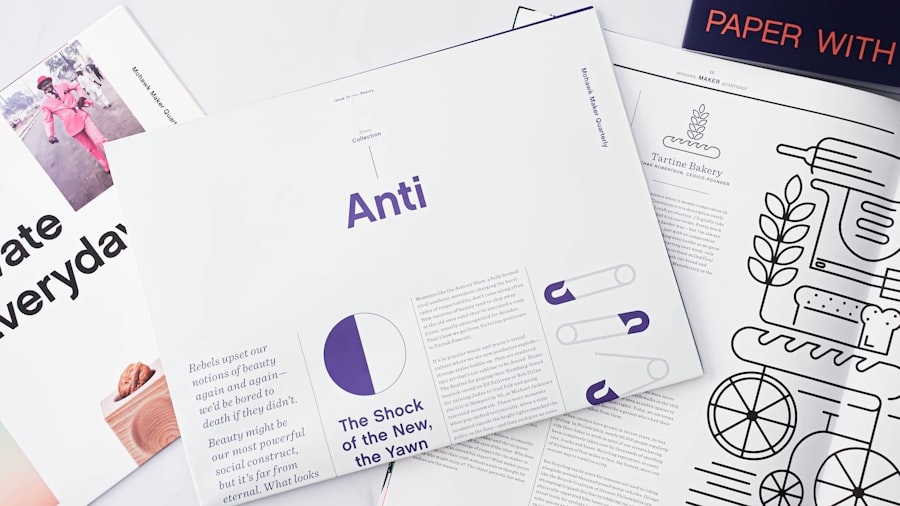
The automation of campaign management is another area where AI has made a significant impact on my marketing efforts. As I juggle multiple campaigns simultaneously, the ability to automate repetitive tasks has been a game-changer. From scheduling social media posts to managing email marketing campaigns, AI tools streamline processes and free up valuable time for me to focus on strategic planning and creative development.
Moreover, automation powered by AI ensures consistency across all touchpoints in a campaign. By maintaining a cohesive brand message and experience, I can enhance customer engagement and build trust with my audience.
As I embrace this technology, I find myself empowered to execute more ambitious campaigns while maintaining a high level of precision and attention to detail.
Integrating AI into Omnichannel Marketing Strategies
In today’s digital landscape, an omnichannel marketing strategy is essential for reaching consumers across various platforms and touchpoints. As I integrate AI into my omnichannel approach, I am discovering new ways to create seamless experiences for my audience. By leveraging AI-driven insights, I can ensure that my messaging is consistent and relevant across all channels, whether it be social media, email, or in-store interactions.
The integration of AI also allows me to track customer journeys more effectively. By understanding how consumers interact with my brand across different channels, I can tailor my strategies to meet their needs at every stage of the buying process. This holistic view of customer behavior enables me to create more cohesive campaigns that resonate deeply with my audience.
As I continue to refine my omnichannel strategies with AI, I am excited about the potential for driving engagement and conversions through a unified approach.
Measuring Success and ROI of AI-Driven Campaigns
Finally, measuring the success and return on investment (ROI) of AI-driven campaigns is crucial for understanding their impact on my overall marketing strategy. As I implement various AI tools and techniques, I am keenly aware of the importance of tracking performance metrics that align with my business goals. By establishing clear KPIs from the outset, I can evaluate the effectiveness of my campaigns and make data-driven adjustments as needed.
In my experience, the ability to measure success accurately not only helps justify investments in AI technology but also provides valuable insights for future campaigns. By analyzing what works and what doesn’t, I can refine my strategies over time and maximize ROI. As I embrace this data-centric approach to measuring success, I find myself better equipped to demonstrate the value of AI-driven initiatives within my organization.
Ultimately, understanding the impact of these campaigns empowers me to make informed decisions that drive growth and innovation in my marketing efforts. In conclusion, as I navigate the evolving landscape of marketing through the lens of artificial intelligence, I am continually inspired by its potential to transform product launch campaigns and overall marketing strategies. From leveraging data insights for targeted marketing to personalizing customer experiences and optimizing campaign performance, AI has become an indispensable tool in my arsenal.
As I continue to explore its capabilities, I am excited about the future possibilities that lie ahead in this dynamic field.
In the realm of digital marketing, leveraging AI-driven strategies for product launch campaigns can significantly enhance reach and engagement. A related article that delves into the intricacies of online marketing is Level the Playing Field: The Step-by-Step Guide to Earning Online with Affiliate Marketing and Automation. This article provides valuable insights into how automation can streamline marketing efforts, making it a perfect complement to understanding AI’s role in product launches. By integrating AI with affiliate marketing strategies, businesses can optimize their campaigns for better performance and higher returns.