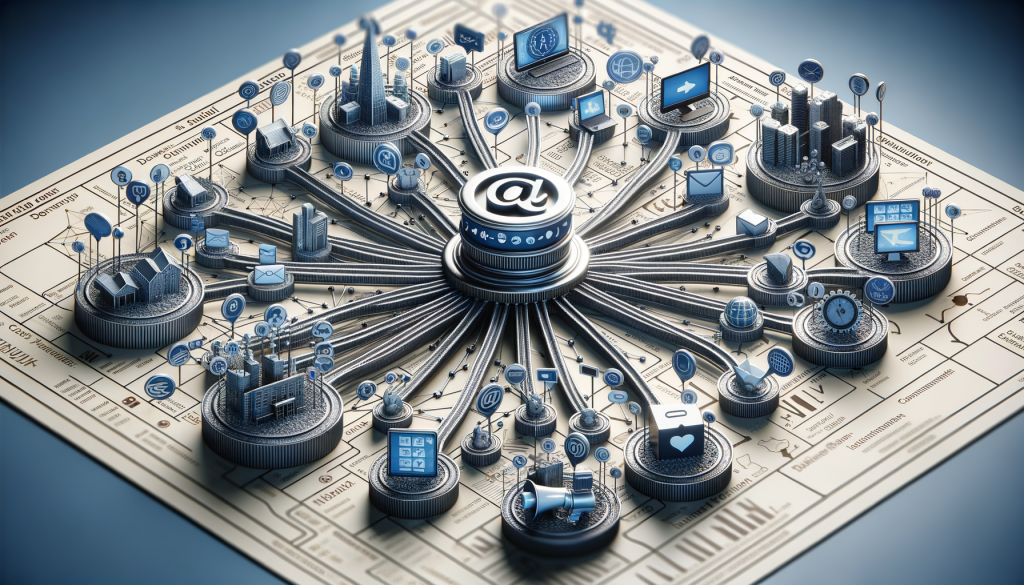

AI-driven content distribution uses algorithms and machine learning to optimize how content reaches audiences. This technology analyzes large datasets to identify patterns and audience preferences, enabling more precise targeting and timing of content delivery. The primary advantages of AI-driven content distribution include increased efficiency in content dissemination and improved message relevance.
By processing data that would be impractical for manual analysis, AI systems can identify audience behaviors and preferences with greater accuracy than traditional methods. This capability allows marketers and content creators to develop more targeted strategies based on concrete behavioral insights. AI-driven content distribution has become an essential tool in digital marketing rather than an optional enhancement.
Organizations that implement these systems can deliver more personalized content experiences, improve audience engagement metrics, and allocate resources more effectively. As digital content consumption continues to grow, AI-driven distribution systems provide a competitive advantage for content creators and marketers seeking to maintain relevance in an increasingly crowded digital environment.
Key Takeaways
- AI enhances content distribution by enabling precise targeting and personalization.
- Leveraging AI tools helps deliver the right content to the right audience efficiently.
- Personalization through AI increases engagement and improves user experience.
- Implementing AI-driven strategies requires addressing challenges like data privacy and algorithm bias.
- The future of content distribution is increasingly AI-centric, promising smarter and more adaptive marketing.
The Role of AI in Content Distribution
The role of AI in content distribution is multifaceted and profound. One of the primary functions of AI is to analyze user data and engagement metrics, which helps in predicting what type of content will resonate with specific audiences. I have seen firsthand how AI tools can sift through mountains of data, extracting insights that inform content strategy.
For instance, by examining past interactions, AI can suggest optimal times for posting or recommend topics that are likely to engage users based on their previous behavior. Moreover, AI plays a crucial role in automating the distribution process itself. I have observed how platforms utilize AI algorithms to determine the best channels for content delivery, whether it be social media, email newsletters, or other digital platforms.
This automation not only saves time but also enhances precision in targeting. By leveraging AI, I can ensure that my content reaches its intended audience without the guesswork that often accompanies traditional distribution methods.
Leveraging AI for Targeted Content Distribution
When it comes to targeted content distribution, I find that AI offers unparalleled advantages. The ability to segment audiences based on various criteria—such as demographics, interests, and online behavior—allows me to craft messages that resonate on a personal level. For example, I can use AI tools to create detailed audience profiles that inform my content strategy, ensuring that each piece of content speaks directly to the needs and preferences of its intended recipients.
In my experience, leveraging AI for targeted distribution also means being able to adapt quickly to changing audience dynamics. As trends shift and new interests emerge, AI can provide real-time insights that allow me to pivot my strategy accordingly. This agility is essential in a fast-paced digital environment where audience preferences can change overnight.
By harnessing the power of AI, I can stay ahead of the curve and deliver content that not only captures attention but also fosters engagement.
Implementing AI-Driven Personalization in Content Distribution
Implementing AI-driven personalization in content distribution has been one of the most rewarding aspects of my journey in digital marketing. Personalization goes beyond simply addressing an audience by name; it involves curating experiences that feel uniquely tailored to each individual. With AI, I can analyze user behavior and preferences to deliver personalized content recommendations that enhance user experience and drive engagement.
For instance, I have utilized AI algorithms that track user interactions across various platforms. By understanding what types of content users engage with most frequently, I can create personalized email campaigns or social media posts that align with their interests. This level of personalization not only increases the likelihood of engagement but also fosters a sense of connection between the audience and the brand.
As I implement these strategies, I am continually amazed by how effective personalized content can be in building loyalty and trust among my audience.
The Benefits of AI-Driven Content Distribution Strategies
The benefits of adopting AI-driven content distribution strategies are numerous and compelling. One significant advantage is the increased efficiency in reaching target audiences. By automating various aspects of content distribution, I can focus more on creating high-quality content rather than getting bogged down in logistics.
This efficiency translates into faster turnaround times and a more agile approach to marketing. Additionally, AI-driven strategies often lead to improved engagement rates. When I leverage data-driven insights to tailor my content distribution efforts, I find that audiences are more likely to interact with my posts and share them within their networks.
This organic reach can significantly amplify my brand’s visibility and impact. Furthermore, the ability to measure and analyze performance metrics in real-time allows me to refine my strategies continuously, ensuring that I am always optimizing for success.
Challenges and Considerations in AI-Driven Content Distribution
Despite the many advantages of AI-driven content distribution, there are challenges and considerations that I must navigate carefully. One significant concern is data privacy and security. As I collect and analyze user data to inform my strategies, I must remain vigilant about protecting that information.
Ensuring compliance with regulations such as GDPR is paramount, as any misstep could lead to severe consequences for both my brand and my audience. Another challenge lies in the potential for over-reliance on algorithms. While AI can provide valuable insights, it is essential for me to remember that human intuition and creativity still play critical roles in effective content distribution.
Striking a balance between data-driven decision-making and creative strategy is vital for achieving optimal results. As I continue to explore AI-driven solutions, I remain mindful of these challenges and strive to integrate technology in a way that enhances rather than replaces the human touch.
Best Practices for AI-Driven Content Distribution
To maximize the effectiveness of AI-driven content distribution, I have identified several best practices that guide my approach. First and foremost, investing in quality data collection is crucial. The insights generated by AI are only as good as the data fed into it; therefore, ensuring accurate and comprehensive data collection should be a top priority for me.
Additionally, continuous testing and optimization are essential components of my strategy. By experimenting with different types of content, distribution channels, and timing, I can gather valuable feedback that informs future efforts. Utilizing A/B testing allows me to compare different approaches and determine which resonates best with my audience.
This iterative process not only enhances my understanding of audience preferences but also fosters a culture of innovation within my team.
The Future of AI-Driven Content Distribution
As I look ahead to the future of AI-driven content distribution, I am filled with anticipation for what lies ahead. The rapid advancements in technology suggest that we are only scratching the surface of what is possible with AI. I envision a future where hyper-personalization becomes the norm, allowing brands to create deeply engaging experiences tailored to individual users’ preferences.
Moreover, as machine learning algorithms continue to evolve, I expect them to become even more adept at predicting trends and audience behavior. This evolution will enable me to stay ahead of shifts in consumer interests and adapt my strategies proactively rather than reactively. Ultimately, I believe that embracing AI-driven content distribution will not only enhance my marketing efforts but also foster deeper connections between brands and their audiences in an increasingly digital world.
In conclusion, navigating the realm of AI-driven content distribution has been an enlightening journey for me. From understanding its foundational principles to implementing personalized strategies, I have witnessed firsthand the transformative impact of AI on how we connect with audiences. As I continue to explore this dynamic landscape, I remain committed to leveraging technology responsibly while prioritizing creativity and human connection in all my endeavors.
In the ever-evolving landscape of digital marketing, AI-driven content distribution strategies are becoming increasingly essential for businesses looking to optimize their reach and engagement. For those interested in exploring how social media platforms can enhance affiliate marketing efforts, a related article titled “Using and Benefiting from Facebook as an Affiliate Marketer” provides valuable insights. You can read it [here](https://billsimblog.com/using-and-benefiting-from-facebook-as-an-affiliate-marketer/).