
# AI-Based Sales Funnel Optimization in Digital Marketing
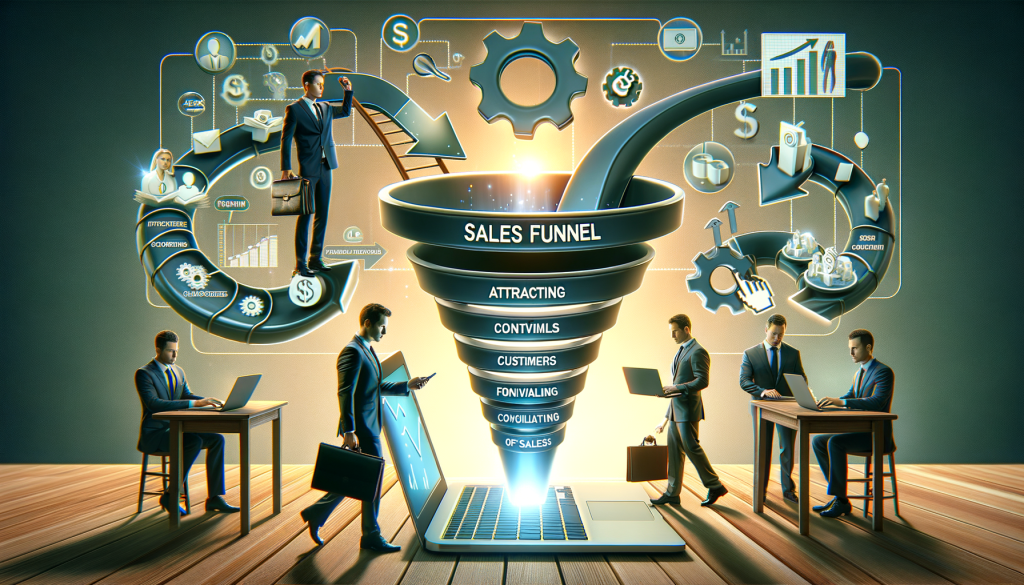
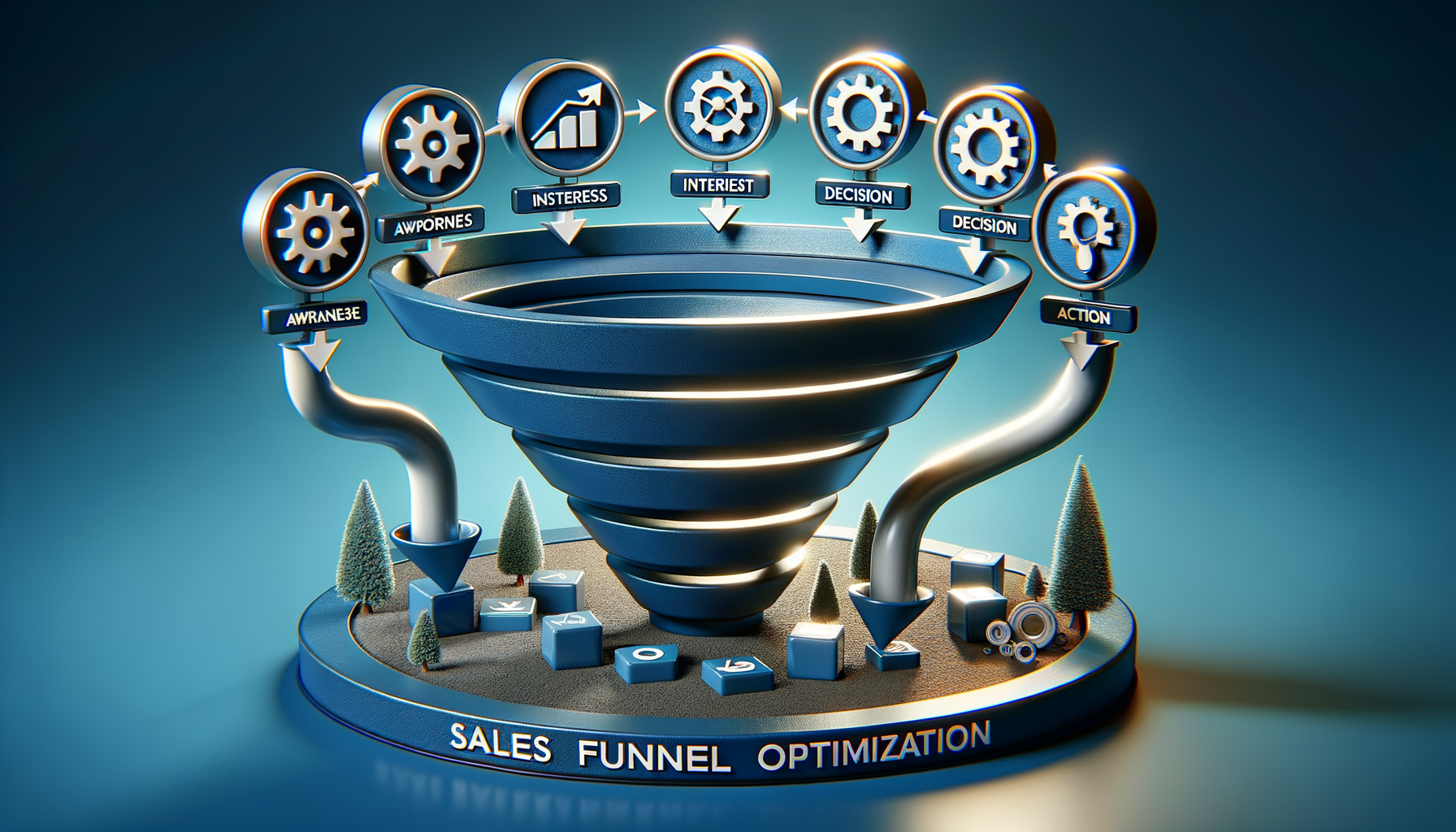
Artificial intelligence has become a significant tool in digital marketing, particularly in optimizing sales funnels. AI integration across the sales funnel stages—from customer awareness through purchase—improves both efficiency and effectiveness. The sales funnel represents the customer journey from initial awareness to final purchase decision.
Machine learning algorithms and data analytics enable marketers to extract valuable insights about customer behavior, preferences, and pain points. These insights allow for more targeted and relevant marketing strategies. Rather than simply automating processes, AI-based optimization creates personalized customer experiences at scale.
AI systems can analyze large datasets to identify patterns and trends that would be difficult to detect through manual analysis. This capability allows marketers to refine messaging, identify appropriate target audiences, and increase conversion rates more effectively. The application of AI in sales funnel optimization represents a fundamental change in marketing methodology, making it important for marketing professionals to understand current developments in this technology.
Key Takeaways
- AI enhances sales funnel optimization by providing data-driven insights and predictive analytics.
- Personalization powered by AI improves customer engagement and lead qualification.
- AI automates key sales funnel processes, increasing efficiency and accuracy.
- Predictive analytics help forecast customer behavior and optimize lead scoring.
- Measuring ROI of AI-driven strategies is essential to validate and refine sales funnel performance.
Leveraging Data-Driven Insights for Sales Funnel Optimization
Data-driven insights are at the heart of effective sales funnel optimization, and I have come to appreciate their significance in shaping my marketing strategies. By collecting and analyzing data from various sources—such as website analytics, social media interactions, and customer feedback—I can gain a comprehensive understanding of my target audience. This information allows me to identify which stages of the sales funnel are performing well and which require improvement.
For instance, if I notice a high drop-off rate at the consideration stage, I can investigate further to understand the underlying reasons and make necessary adjustments. Moreover, leveraging data-driven insights empowers me to make informed decisions rather than relying on gut feelings or assumptions. I can segment my audience based on demographics, behaviors, and preferences, enabling me to create targeted campaigns that resonate with specific groups.
This level of personalization not only enhances the customer experience but also increases the likelihood of conversion. As I continue to harness the power of data analytics, I find that my ability to optimize the sales funnel becomes increasingly refined, leading to better outcomes for my business.
Implementing AI-Powered Personalization in Sales Funnels
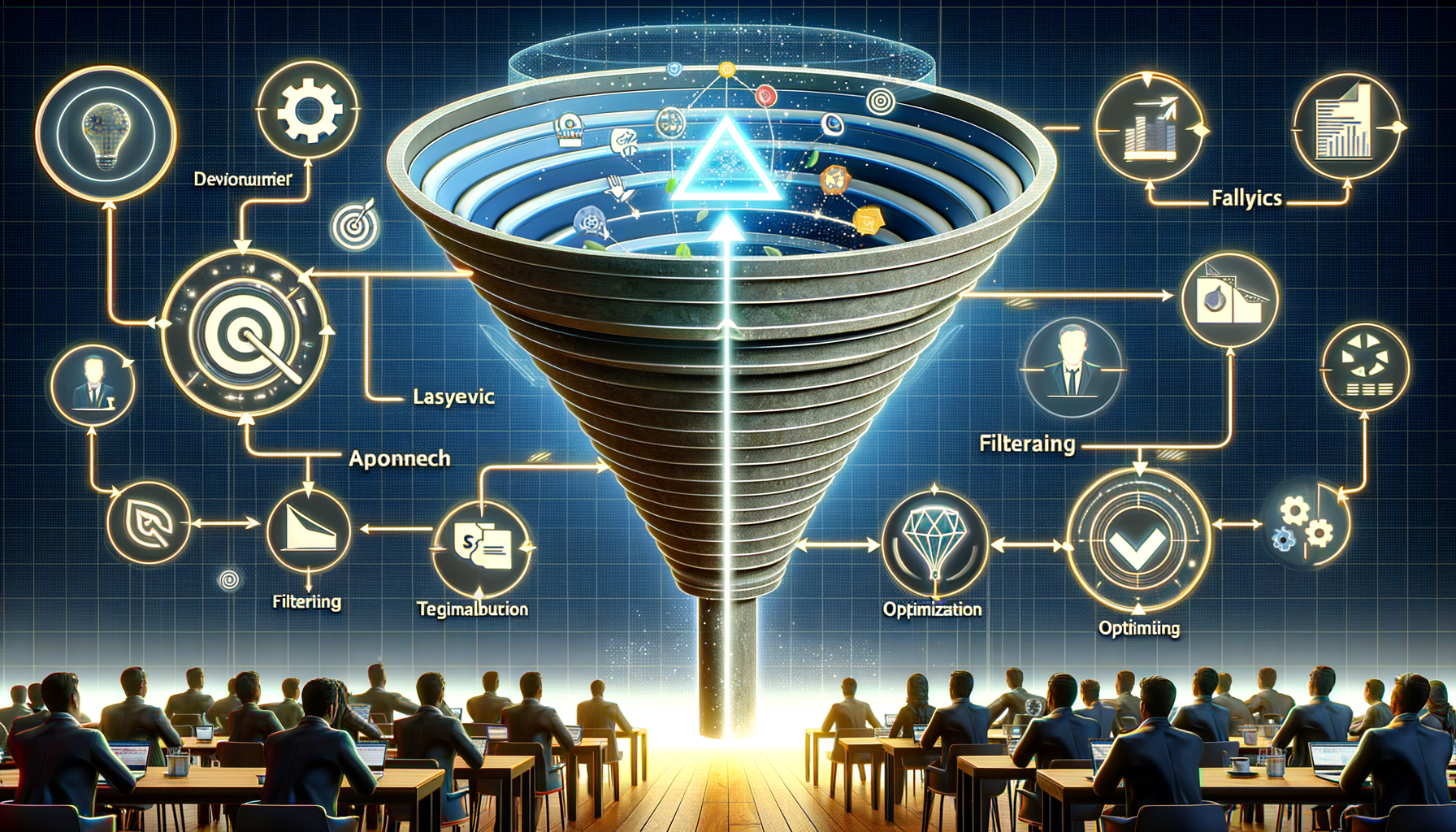
Personalization has become a buzzword in marketing, and I recognize that implementing AI-powered personalization in my sales funnels is crucial for standing out in a crowded marketplace. By utilizing AI algorithms, I can analyze customer data in real-time and deliver tailored content and recommendations that align with individual preferences. For example, if a potential customer has shown interest in a specific product category, AI can help me present them with relevant offers and information that cater to their interests, thereby enhancing their engagement with my brand.
The beauty of AI-powered personalization lies in its ability to adapt continuously. As customers interact with my brand, their preferences may evolve, and AI can track these changes to ensure that the content they receive remains relevant. This dynamic approach not only fosters a deeper connection with my audience but also increases the chances of conversion.
By investing in AI-driven personalization strategies, I am not just optimizing my sales funnel; I am creating a more meaningful relationship with my customers that extends beyond a single transaction.
Utilizing Predictive Analytics for Sales Funnel Optimization
Predictive analytics is another powerful tool that I have found invaluable for optimizing my sales funnel. By analyzing historical data and identifying trends, predictive analytics allows me to forecast future customer behavior and make proactive decisions. For instance, if I notice a pattern indicating that certain leads are more likely to convert based on their previous interactions with my brand, I can prioritize these leads and tailor my follow-up strategies accordingly.
This targeted approach not only saves time but also increases the likelihood of successful conversions. Furthermore, predictive analytics enables me to identify potential roadblocks within the sales funnel before they become significant issues. By monitoring key performance indicators (KPIs) and analyzing customer behavior at each stage of the funnel, I can pinpoint areas where prospects may be losing interest or encountering obstacles.
Armed with this information, I can implement timely interventions—such as adjusting messaging or providing additional resources—to keep potential customers engaged and moving toward a purchase decision.
Improving Lead Scoring and Qualification with AI
Lead scoring is a critical component of any effective sales strategy, and I have found that incorporating AI into this process significantly enhances its accuracy and efficiency. Traditional lead scoring methods often rely on subjective criteria or manual assessments, which can lead to inconsistencies and missed opportunities. However, by utilizing AI algorithms, I can analyze a multitude of factors—such as engagement history, demographic information, and behavioral patterns—to assign scores to leads based on their likelihood to convert.
This data-driven approach not only streamlines the lead qualification process but also allows me to focus my efforts on high-potential prospects. With AI’s ability to continuously learn from new data, my lead scoring system becomes increasingly refined over time. As a result, I can allocate resources more effectively and ensure that my sales team is prioritizing leads that are most likely to yield positive results.
Ultimately, this improvement in lead scoring translates into higher conversion rates and increased revenue for my business.
Enhancing Customer Engagement Through AI-Based Sales Funnels
Customer engagement is paramount in today’s competitive landscape, and I have discovered that AI-based sales funnels play a pivotal role in fostering meaningful interactions with potential customers. By utilizing chatbots and virtual assistants powered by AI technology, I can provide instant support and assistance to visitors on my website. These tools not only enhance the user experience but also allow me to capture valuable data about customer inquiries and preferences.
Additionally, AI-driven content recommendations enable me to deliver personalized experiences that resonate with my audience. By analyzing user behavior and preferences, I can suggest relevant articles, products, or services that align with their interests. This level of personalization not only keeps customers engaged but also encourages them to explore more of what my brand has to offer.
As I continue to enhance customer engagement through AI-based sales funnels, I find that building lasting relationships with my audience becomes increasingly achievable.
Automating Sales Funnel Processes with AI Technology
Automation is a game-changer in optimizing sales funnels, and I have embraced AI technology as a means to streamline various processes within this framework. From lead generation to follow-up communications, automation allows me to save time and reduce manual effort while maintaining a high level of accuracy. For instance, by automating email campaigns based on user behavior triggers, I can ensure that potential customers receive timely messages that encourage them to move further down the funnel.
Moreover, automation frees up valuable resources within my team, allowing them to focus on higher-level strategic initiatives rather than repetitive tasks. With AI handling routine processes such as data entry or lead nurturing, my team can dedicate more time to building relationships with prospects and closing deals. As I implement automation within my sales funnel processes, I find that not only does efficiency improve but also overall productivity increases across the board.
Measuring Success and ROI of AI-Based Sales Funnel Optimization
As I navigate the complexities of AI-based sales funnel optimization, measuring success and return on investment (ROI) becomes essential for understanding the impact of my efforts. By establishing clear KPIs—such as conversion rates, customer acquisition costs, and overall revenue growth—I can assess the effectiveness of my strategies over time. Additionally, utilizing analytics tools allows me to track performance metrics in real-time, providing valuable insights into what is working and what requires adjustment.
Furthermore, evaluating ROI involves considering both quantitative and qualitative factors. While increased revenue is a clear indicator of success, I also recognize the importance of customer satisfaction and loyalty as long-term benefits of optimized sales funnels. By gathering feedback from customers and analyzing their experiences throughout the funnel journey, I can gain a holistic view of how well my strategies are resonating with my audience.
Ultimately, measuring success and ROI empowers me to make informed decisions that drive continuous improvement in my sales funnel optimization efforts. In conclusion, embracing AI-based sales funnel optimization has transformed my approach to marketing and customer engagement. By leveraging data-driven insights, implementing personalization strategies, utilizing predictive analytics, improving lead scoring processes, enhancing customer engagement through automation, and measuring success effectively, I am well-equipped to navigate the complexities of today’s digital landscape.
As technology continues to evolve, I remain committed to staying ahead of the curve and harnessing the power of AI to drive meaningful results for my business.
For businesses looking to enhance their sales strategies, understanding common pitfalls is crucial. One insightful resource is the article on marketing mistakes, which highlights key errors that can hinder success. You can read more about these challenges and how to avoid them in the article titled Top Marketing Mistakes to Avoid for Business Success. This information complements the AI-Based Sales Funnel Optimization Tips by providing a broader context for effective marketing practices.