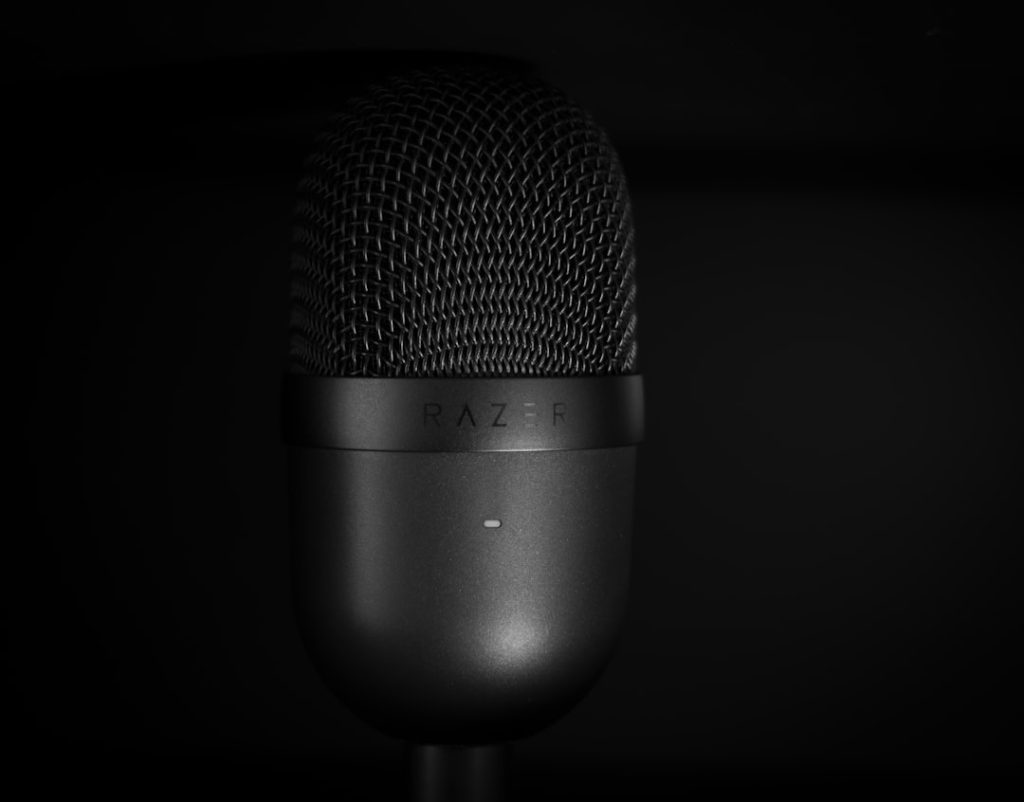

In today’s digital landscape, the significance of natural and engaging AI voiceovers cannot be overstated. As I navigate through various forms of media, I often find myself drawn to content that resonates with me on a personal level. The voice behind the message plays a crucial role in this connection.
A well-crafted AI voiceover can transform a mundane script into an engaging narrative, capturing the listener’s attention and enhancing their overall experience. This is particularly vital in an era where consumers are inundated with information and have little patience for content that fails to engage them. Moreover, the rise of virtual assistants and automated customer service solutions has made it essential for businesses to adopt AI voiceovers that sound human-like.
When I interact with a voice that feels authentic, I am more likely to trust the information being presented. This trust is paramount, especially in sectors like healthcare, finance, and education, where clear communication can significantly impact decision-making. Therefore, understanding the importance of natural and engaging AI voiceovers is not just about aesthetics; it’s about fostering connections and building trust with audiences.
Key Takeaways
- Natural and engaging AI voiceovers are important for creating a human-like interaction with users.
- Choosing the right AI voiceover technology is crucial for achieving a natural and engaging voice.
- Scripting plays a key role in creating natural and engaging AI voiceovers.
- Embracing emotion and tone in AI voiceovers can enhance the user experience.
- Incorporating natural pauses and inflections in AI voiceovers can make the interaction more authentic and engaging.
Choosing the Right AI Voiceover Technology
Selecting the right AI voiceover technology is a critical step in creating compelling audio content. With a plethora of options available, I often find myself weighing the pros and cons of various platforms. Some technologies offer a wide range of voices and accents, while others focus on delivering high-quality sound with minimal latency.
My choice often hinges on the specific needs of my project—whether I require a conversational tone for a podcast or a more formal delivery for a corporate presentation. Additionally, I consider the ease of integration with existing tools and workflows. A seamless experience allows me to focus on crafting my message rather than getting bogged down by technical difficulties.
I also pay attention to user reviews and case studies, as they provide valuable insights into how different technologies perform in real-world scenarios. Ultimately, choosing the right AI voiceover technology is about finding a balance between quality, versatility, and usability that aligns with my creative vision.
Scripting for Natural and Engaging AI Voiceovers

Crafting a script that lends itself to natural and engaging AI voiceovers is an art form in itself. As I sit down to write, I remind myself that the script should not only convey information but also evoke emotions and create a connection with the audience. I often start by outlining the key points I want to cover, but I also allow room for creativity and spontaneity.
The language I choose is crucial; it should be conversational yet informative, striking a balance that keeps listeners engaged. I also pay close attention to pacing and rhythm when scripting. A well-structured script flows naturally, allowing the AI voiceover to deliver the content in a way that feels organic.
I often read my script aloud to gauge how it sounds, making adjustments as needed to ensure it feels authentic. By focusing on these elements, I can create a script that not only informs but also captivates, making the most of the AI voiceover technology at my disposal.
Embracing Emotion and Tone in AI Voiceovers
One of the most powerful aspects of AI voiceovers is their ability to convey emotion and tone. As I explore different projects, I recognize that the emotional undertone of a voice can significantly influence how a message is received. For instance, a warm and friendly tone can make a brand feel more approachable, while a serious tone may be necessary for conveying important information.
Understanding this dynamic allows me to tailor my approach based on the context of my content. To effectively embrace emotion and tone in AI voiceovers, I often experiment with different vocal styles and inflections. Many advanced AI technologies now offer customizable options that allow me to adjust pitch, speed, and emphasis.
This flexibility enables me to create a voiceover that aligns perfectly with the intended message. By carefully considering how emotion and tone interact with my content, I can enhance the listener’s experience and foster a deeper connection with my audience.
Incorporating Natural Pauses and Inflections
Natural pauses and inflections are essential components of effective communication, and they play a significant role in AI voiceovers as well.
These pauses allow listeners to absorb what they’ve just heard before moving on to the next point.
As I work on my scripts, I consciously incorporate these pauses to create a more dynamic listening experience. Inflections also add depth to an AI voiceover, making it sound less robotic and more human-like. By varying pitch and tone throughout the delivery, I can emphasize key points and convey nuances that might otherwise be lost in a flat reading.
This attention to detail not only improves the overall quality of the voiceover but also helps maintain listener engagement throughout the duration of the content.
Testing and Refining AI Voiceovers for Authenticity

Once I have created an initial version of my AI voiceover, the next step involves testing and refining it for authenticity. This process is crucial because even minor adjustments can significantly impact how genuine the final product sounds. I often play back the voiceover multiple times, listening for areas where it may feel stilted or unnatural.
This iterative process allows me to identify specific phrases or sections that may need reworking. I also seek feedback from others during this stage. Sharing my work with colleagues or friends provides fresh perspectives that I might not have considered.
Their insights can help me pinpoint areas for improvement or highlight aspects that resonate well with listeners. By actively engaging in this testing and refining process, I can ensure that my AI voiceover not only meets technical standards but also feels authentic and relatable to my audience.
Ensuring Accessibility and Inclusivity in AI Voiceovers
In an increasingly diverse world, ensuring accessibility and inclusivity in AI voiceovers is more important than ever. As I create content, I am mindful of the various audiences who may engage with it, including individuals with different linguistic backgrounds or those who may have hearing impairments. To address these needs, I often explore options for multilingual voiceovers or consider incorporating subtitles alongside audio content.
Moreover, I strive to use language that is inclusive and respectful of all individuals. This means avoiding jargon or idiomatic expressions that may alienate certain groups while ensuring that my message remains clear and accessible to everyone. By prioritizing accessibility and inclusivity in my AI voiceovers, I not only broaden my audience reach but also contribute to a more equitable digital landscape where everyone feels represented.
Leveraging AI Voiceovers for Enhanced User Experience
Finally, leveraging AI voiceovers for enhanced user experience is an exciting opportunity that I embrace wholeheartedly. In today’s fast-paced world, users often seek quick access to information without sacrificing quality. By integrating AI voiceovers into various platforms—be it websites, mobile apps, or e-learning modules—I can create an interactive experience that caters to users’ preferences.
For instance, incorporating voiceovers into instructional videos can significantly enhance comprehension by providing auditory cues alongside visual elements. Similarly, using AI voiceovers in customer service applications can streamline interactions by offering immediate responses without requiring users to navigate complex menus. By harnessing the power of AI voiceovers in these ways, I can elevate user experience while ensuring that my content remains engaging and informative.
In conclusion, as I reflect on the journey of creating natural and engaging AI voiceovers, it becomes clear that this process involves much more than simply generating audio from text. It requires careful consideration of technology choices, scripting techniques, emotional delivery, and accessibility measures—all aimed at fostering authentic connections with audiences. By embracing these principles, I can harness the full potential of AI voiceovers to create compelling content that resonates deeply with listeners across diverse platforms.
In the realm of enhancing digital content, adding AI voiceovers that sound natural and engaging is a game-changer for creators looking to captivate their audience. A related article that delves into optimizing business strategies is Top Marketing Mistakes to Avoid for Business Success. This piece provides valuable insights into common pitfalls in marketing, which can be crucial for businesses aiming to integrate AI technologies effectively into their marketing efforts. By understanding these mistakes, businesses can better position themselves to leverage AI voiceovers as part of a comprehensive and successful marketing strategy.