

Affiliate marketing is a dynamic and increasingly popular way to earn income online. At its core, it involves promoting products or services offered by other companies and earning a commission for each sale or lead generated through my unique affiliate link. This model allows me to leverage the power of the internet to create a revenue stream without the need to develop my own products.
I find it fascinating how this system creates a win-win situation for both the affiliate and the merchant; I get to earn money while the merchant gains exposure and sales. The beauty of affiliate marketing lies in its accessibility. I can start with minimal investment, often just a website and some marketing skills.
Unlike traditional businesses that require significant capital for inventory and overhead, affiliate marketing allows me to focus on building an audience and driving traffic to my affiliate links. As I delve deeper into this world, I realize that understanding the nuances of affiliate marketing is crucial for success. It’s not just about sharing links; it’s about building trust with my audience and providing them with valuable recommendations that genuinely meet their needs.
Key Takeaways
- Affiliate marketing is a performance-based marketing strategy where businesses reward affiliates for bringing them customers or visitors.
- When choosing a niche for affiliate marketing, consider your interests, expertise, and the potential for profitability.
- Building a niche website involves selecting a domain name, choosing a reliable web hosting service, and creating high-quality, engaging content.
- Finding and joining affiliate programs requires research, reading reviews, and understanding the terms and conditions of each program.
- Creating quality content is essential for attracting and retaining visitors to your niche website, and it should be relevant to your chosen niche and provide value to your audience.
Choosing the Right Niche
Selecting the right niche is one of the most critical steps in my affiliate marketing journey. A niche is essentially a specific segment of the market that I want to target, and it should align with my interests, expertise, and the potential for profitability. I’ve learned that choosing a niche I am passionate about not only makes the process more enjoyable but also allows me to create authentic content that resonates with my audience.
For instance, if I have a keen interest in fitness, I can explore sub-niches like home workouts, nutrition, or fitness gear. Moreover, I must consider the competition within my chosen niche. While a highly competitive niche may seem appealing due to its popularity, it can also be challenging to break into.
I often conduct thorough research to identify niches that strike a balance between demand and competition. Tools like Google Trends and keyword research platforms help me gauge interest levels and discover untapped opportunities. By carefully selecting my niche, I set the foundation for a successful affiliate marketing venture that can grow over time.
Building a Niche Website
Once I’ve settled on a niche, the next step is to build a niche website that serves as my online presence. This website will be the hub for all my affiliate marketing activities, so it’s essential to create a user-friendly and visually appealing platform. I start by choosing a domain name that reflects my niche and is easy to remember.
A well-designed website not only attracts visitors but also establishes credibility in my chosen field. As I build my website, I focus on creating an intuitive layout that enhances user experience. This includes organizing content into categories, ensuring fast loading times, and optimizing for mobile devices.
Additionally, I pay attention to search engine optimization (SEO) techniques to improve my website’s visibility on search engines. By incorporating relevant keywords into my content and meta tags, I increase the chances of attracting organic traffic. A well-structured niche website becomes an invaluable asset in my affiliate marketing strategy, allowing me to showcase products effectively and engage with my audience.
Finding and Joining Affiliate Programs
With my niche website up and running, it’s time to explore affiliate programs that align with my chosen niche. There are numerous affiliate networks and individual programs available, each offering different products and commission structures. I take the time to research various options, looking for programs that not only provide competitive commissions but also offer high-quality products that resonate with my audience.
Joining reputable affiliate programs is crucial for maintaining trust with my audience. I prioritize programs that have a solid reputation and positive reviews from other affiliates. Additionally, I consider the support and resources provided by these programs, such as marketing materials and tracking tools.
By carefully selecting the right affiliate programs, I can ensure that the products I promote are valuable to my audience while also generating income for myself.
Creating Quality Content
Content creation is at the heart of successful affiliate marketing. To effectively promote products, I need to produce high-quality content that informs, entertains, and engages my audience. Whether it’s blog posts, videos, or social media updates, my content should provide genuine value while subtly incorporating affiliate links.
I’ve learned that authenticity is key; my audience can sense when I’m being insincere or overly promotional. I often brainstorm content ideas that address common questions or pain points within my niche. For example, if I’m in the health and wellness space, I might create articles on “Top 10 Tips for Staying Fit at Home” or “The Best Supplements for Boosting Immunity.” By providing useful information, I establish myself as an authority in my niche while naturally guiding readers toward the products I recommend.
Consistency in content creation is also vital; by regularly updating my website with fresh content, I keep my audience engaged and encourage repeat visits.
Promoting Your Niche Website

Creating great content is only half the battle; promoting my niche website is equally important for driving traffic and increasing conversions. I utilize various digital marketing strategies to reach a wider audience. Social media platforms are invaluable tools for sharing my content and engaging with potential customers.
By creating visually appealing posts and utilizing relevant hashtags, I can attract followers who are interested in my niche. Additionally, I explore email marketing as a means of nurturing relationships with my audience. Building an email list allows me to communicate directly with subscribers, providing them with exclusive content and product recommendations.
I often offer incentives such as free e-books or discounts in exchange for email sign-ups. This strategy not only helps me grow my audience but also increases the likelihood of conversions when I share affiliate links through email campaigns.
Tracking and Analyzing Performance
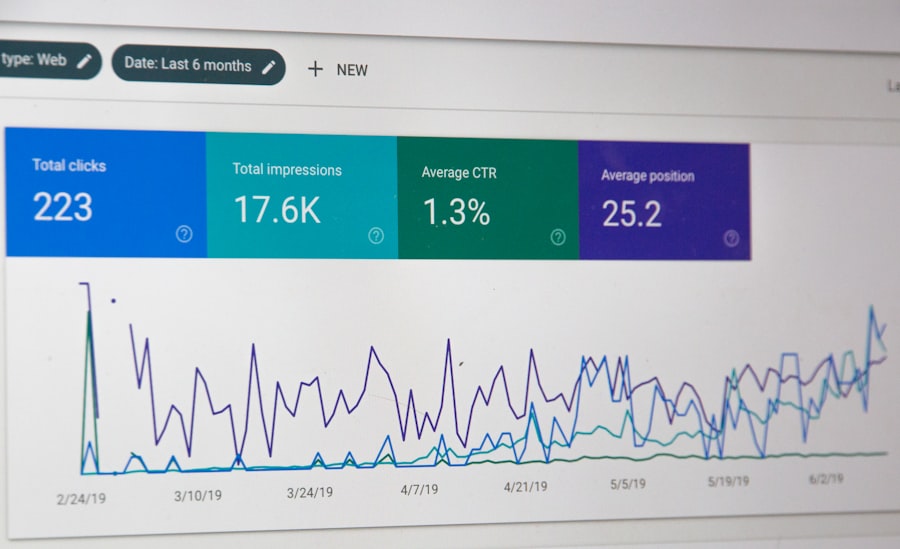
To ensure that my affiliate marketing efforts are paying off, tracking and analyzing performance is essential. I utilize various analytics tools to monitor website traffic, conversion rates, and click-through rates on my affiliate links. By understanding which content performs best and which products resonate with my audience, I can make informed decisions about future strategies.
Regularly reviewing performance metrics allows me to identify trends and areas for improvement. For instance, if I notice that certain types of content generate more clicks than others, I can focus on creating similar content in the future. Additionally, tracking which affiliate programs yield the highest commissions helps me prioritize partnerships that are most beneficial for my business.
This data-driven approach empowers me to refine my strategies continually.
Optimizing and Scaling Your Affiliate Marketing Strategy
As I gain experience in affiliate marketing, optimizing and scaling my strategy becomes a priority. Optimization involves fine-tuning various aspects of my website and marketing efforts to maximize results. This could mean improving SEO practices, enhancing user experience on my site, or experimenting with different types of content formats.
Scaling takes things a step further by expanding my reach and increasing revenue potential. This might involve diversifying into new niches or exploring additional affiliate programs that complement my existing offerings. Collaborating with other bloggers or influencers in my niche can also help me tap into new audiences and drive more traffic to my site.
In conclusion, affiliate marketing presents an exciting opportunity for anyone willing to invest time and effort into building a successful online business. By understanding the fundamentals of affiliate marketing, choosing the right niche, creating quality content, and employing effective promotional strategies, I can carve out a profitable space in this ever-evolving landscape. With dedication and continuous learning, I am confident that I can optimize and scale my affiliate marketing strategy for long-term success.
If you’re looking to enhance your understanding of affiliate marketing strategies, you might find the article on using and benefiting from Facebook as an affiliate marketer particularly useful. This resource provides insights on how to leverage social media platforms to drive traffic and increase conversions for your niche website, complementing the techniques discussed in “How to Use Affiliate Marketing to Monetize a Niche Website.”