Artificial intelligence has significantly transformed marketing funnel strategies in modern business. An AI-driven marketing funnel employs advanced algorithms and machine learning to analyze consumer behavior, identify market trends, and refine marketing approaches. This technology enables marketers to create more efficient processes for moving potential customers through the awareness, consideration, and conversion stages.
Data analytics powered by AI can detect behavioral patterns that would be difficult for humans to identify manually. AI-driven marketing funnels automate multiple stages of the customer journey, from initial contact through post-purchase engagement. AI tools process large datasets in real-time, allowing marketers to make decisions based on current information.
This capability improves customer experience and increases conversion rates. Understanding how AI-driven marketing funnels operate has become essential for businesses competing in today’s market environment.
Key Takeaways
- AI-driven marketing funnels enhance targeting and personalization throughout the customer journey.
- They improve lead generation by analyzing data to identify high-quality prospects.
- AI enables tailored marketing messages, increasing engagement and conversion rates.
- Customer retention is boosted through AI-powered predictive analytics and personalized follow-ups.
- Implementing AI in marketing funnels requires strategic planning but offers significant future growth potential.
Benefits of AI-Driven Marketing Funnels
The benefits of implementing AI-driven marketing funnels are numerous and significant. One of the most compelling advantages is the ability to enhance efficiency. By automating repetitive tasks such as data collection and analysis, I can focus my efforts on more strategic initiatives.
This not only saves time but also reduces the likelihood of human error, leading to more accurate insights and better decision-making. Additionally, AI can process data at a speed and scale that far surpasses human capabilities, allowing for real-time adjustments to marketing strategies based on current consumer behavior. Another key benefit is the improved targeting and segmentation that AI offers.
With advanced algorithms, I can analyze customer data to create highly specific segments based on various criteria such as demographics, purchasing behavior, and engagement levels. This level of granularity enables me to tailor my marketing messages more effectively, ensuring that I reach the right audience with the right message at the right time. As a result, I can increase engagement rates and drive higher conversion rates, ultimately leading to a more successful marketing campaign.
How AI Improves Lead Generation
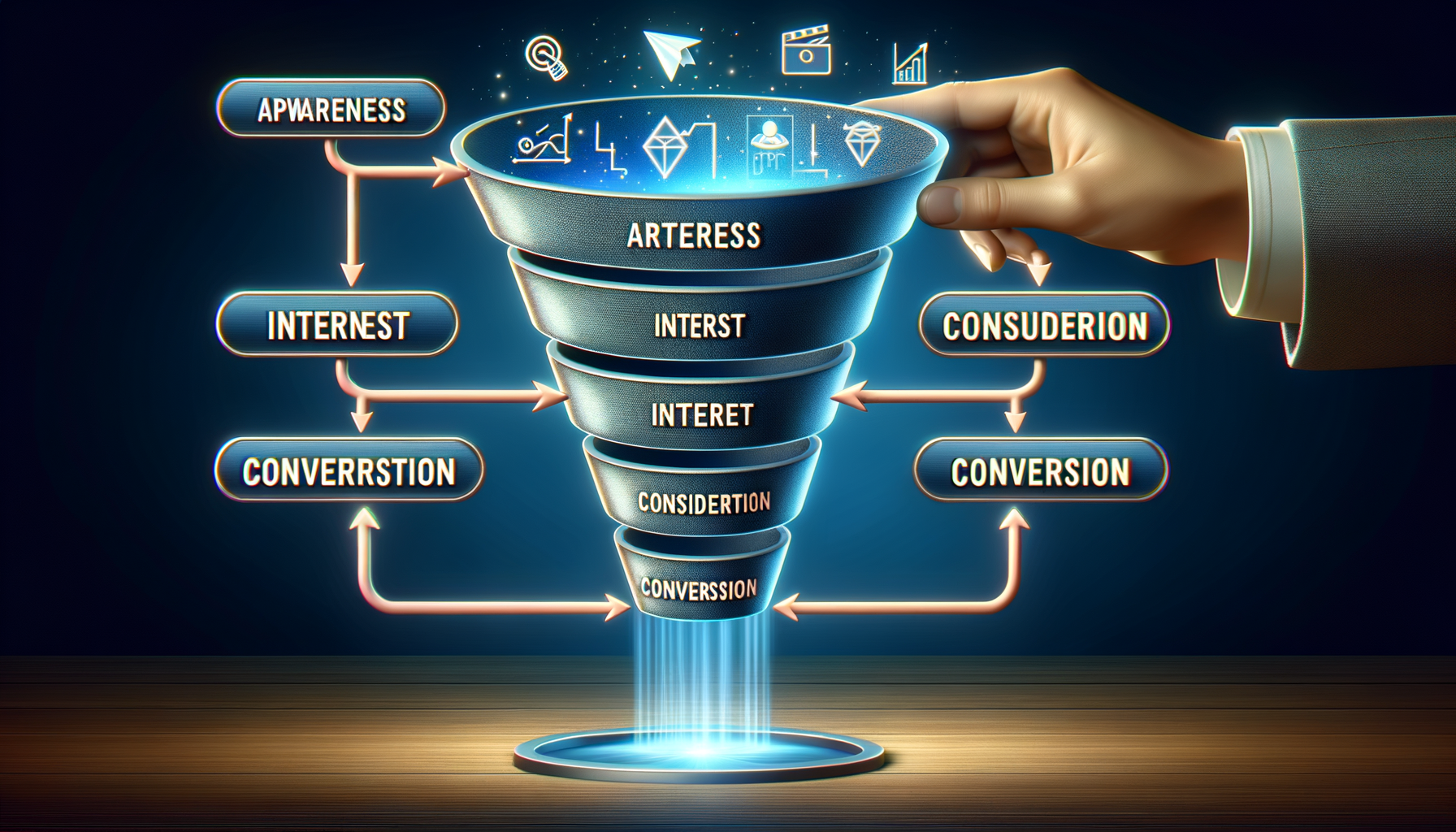
When it comes to lead generation, AI has become an invaluable asset in my marketing toolkit. By utilizing predictive analytics, I can identify potential leads who are most likely to convert based on their online behavior and interactions with my brand. This proactive approach allows me to focus my resources on high-quality leads rather than casting a wide net and hoping for the best.
The ability to analyze vast amounts of data quickly means that I can identify trends and patterns that inform my lead generation strategies. Moreover, AI tools can automate the process of nurturing leads through personalized content delivery. By analyzing a lead’s behavior and preferences, I can create tailored content that resonates with them on a deeper level.
For instance, if a lead frequently engages with blog posts about a specific product category, I can send them targeted emails featuring related products or exclusive offers. This level of personalization not only keeps leads engaged but also increases the likelihood of conversion as they feel understood and valued by my brand.
Personalized Marketing with AI
Personalization has become a cornerstone of effective marketing strategies, and AI plays a pivotal role in achieving this goal. With AI-driven insights, I can create highly personalized experiences for my customers that go beyond simply addressing them by name in an email. By analyzing customer data, including past purchases, browsing history, and engagement patterns, I can tailor my marketing messages to align with individual preferences and needs.
For example, if I notice that a customer frequently purchases eco-friendly products, I can curate a selection of similar items for them in future communications. This not only enhances their shopping experience but also fosters brand loyalty as they feel a connection with my brand’s values. Additionally, AI enables me to deliver personalized recommendations in real-time, whether through website pop-ups or targeted ads on social media platforms.
This level of customization not only increases engagement but also drives higher conversion rates as customers are more likely to purchase products that resonate with their interests.
Optimizing Conversion Rates with AI
Optimizing conversion rates is a critical aspect of any marketing strategy, and AI provides powerful tools to achieve this goal. By analyzing user behavior on my website or app, AI can identify potential bottlenecks in the conversion process. For instance, if I notice that a significant number of users abandon their shopping carts at a specific stage, I can investigate further to understand the underlying reasons and make necessary adjustments.
Furthermore, AI can facilitate A/B testing at an unprecedented scale. Instead of manually testing different variations of landing pages or email campaigns, I can leverage AI algorithms to automatically test multiple versions simultaneously and determine which performs best in real-time. This data-driven approach allows me to make informed decisions quickly and implement changes that enhance user experience and drive conversions.
AI-Driven Customer Retention Strategies

Customer retention is just as important as acquisition in today’s competitive market, and AI-driven strategies are proving to be highly effective in this area. By analyzing customer data, I can identify patterns that indicate when a customer may be at risk of churning. For example, if a long-time customer suddenly reduces their engagement with my brand, I can proactively reach out with personalized offers or incentives to re-engage them.
Additionally, AI can help me create loyalty programs that are tailored to individual customer preferences. By analyzing purchasing behavior and engagement levels, I can design rewards that resonate with my customers and encourage repeat purchases. This not only enhances customer satisfaction but also fosters long-term loyalty as customers feel valued and appreciated by my brand.
Implementing AI-Driven Marketing Funnels
Implementing AI-driven marketing funnels requires careful planning and execution. First and foremost, I need to ensure that I have access to high-quality data. This involves collecting data from various touchpoints across the customer journey, including website interactions, social media engagement, and email responses.
Once I have gathered sufficient data, I can begin to analyze it using AI tools to identify trends and insights that will inform my marketing strategies. Next, it’s essential to choose the right AI tools that align with my business goals. There are numerous platforms available that offer various functionalities such as predictive analytics, customer segmentation, and automated content delivery.
By selecting tools that complement my existing marketing efforts, I can create a cohesive strategy that leverages the power of AI effectively. Finally, continuous monitoring and optimization are crucial for success. As I implement AI-driven marketing funnels, I must regularly assess performance metrics and make adjustments based on real-time data to ensure that my strategies remain effective.
Future of AI-Driven Marketing Funnels
Looking ahead, the future of AI-driven marketing funnels appears promising and full of potential. As technology continues to evolve, I anticipate even more sophisticated algorithms that will enable deeper insights into consumer behavior. The integration of AI with other emerging technologies such as augmented reality (AR) and virtual reality (VR) could create immersive marketing experiences that further engage customers throughout their journey.
Moreover, as consumers become increasingly aware of data privacy concerns, I foresee a shift towards more transparent and ethical use of AI in marketing. Brands will need to prioritize building trust with their customers by being transparent about how their data is used while still delivering personalized experiences. In this evolving landscape, those who embrace AI-driven marketing funnels will likely have a competitive edge as they adapt to changing consumer expectations and preferences.
In conclusion, the integration of AI into marketing funnels has transformed the way businesses engage with their customers at every stage of the journey. From improving lead generation to optimizing conversion rates and enhancing customer retention strategies, the benefits are undeniable. As I continue to explore this dynamic field, I am excited about the possibilities that lie ahead for AI-driven marketing funnels and their potential to shape the future of marketing as we know it.
In the realm of AI-driven marketing funnels, understanding how to effectively leverage social media platforms can significantly enhance your strategies. For a deeper dive into this topic, check out the article on using and benefiting from Facebook as an affiliate marketer, which provides valuable insights on integrating social media with your marketing efforts. This can complement your knowledge of AI-driven funnels and help you create a more comprehensive marketing approach.