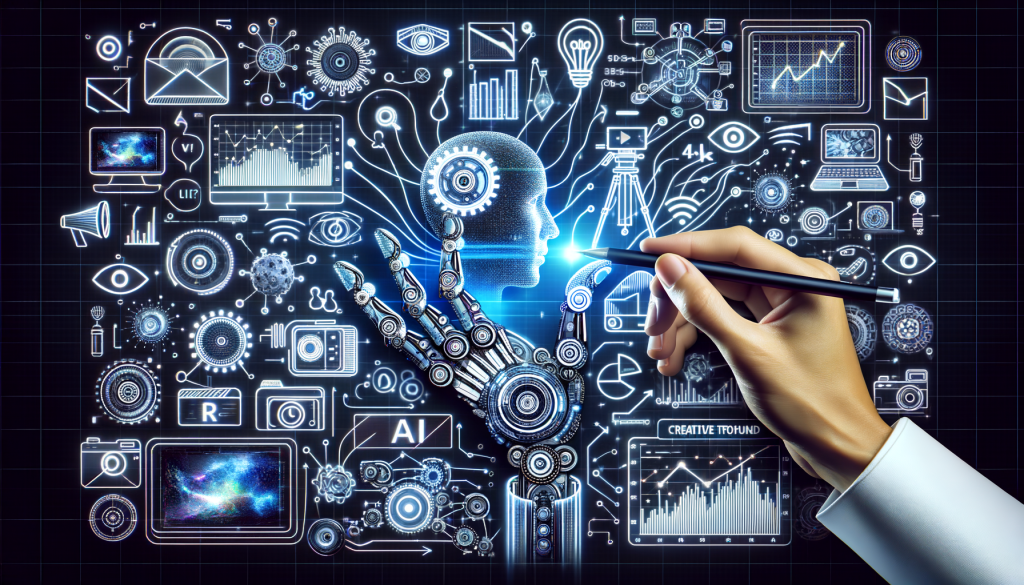

Artificial intelligence (AI) has significantly impacted video marketing by automating and enhancing key processes across content creation, distribution, and analysis. AI technologies enable marketers to process large datasets efficiently, identify audience preferences, and optimize campaign performance in real time. Key applications of AI in video marketing include:
**Content Creation and Optimization**: AI tools assist in generating video scripts, editing footage, and personalizing content based on viewer data.
Machine learning algorithms analyze which visual elements, messaging styles, and video lengths perform best with specific audience segments. **Distribution and Targeting**: AI-powered platforms identify optimal posting times, recommend relevant distribution channels, and match content to viewers most likely to engage with it. This precision targeting improves reach and reduces wasted advertising spend.
**Audience Analysis**: AI systems track viewer behavior, including watch time, engagement rates, and drop-off points. These insights help marketers understand what content resonates and refine future strategies accordingly. **Personalization**: AI enables dynamic video experiences where content adapts to individual viewers based on their browsing history, demographics, and preferences, increasing relevance and engagement rates.
**Predictive Analytics**: Machine learning models forecast campaign performance and audience responses before full-scale launches, allowing marketers to adjust strategies proactively. As digital platforms continue to expand and consumer expectations for personalized content grow, AI has become an essential tool for video marketers seeking to improve efficiency, engagement, and measurable results.
Key Takeaways
- AI enables personalized video content tailored to individual viewer preferences.
- Advanced AI improves audience targeting and segmentation for more effective campaigns.
- AI enhances video analytics by providing deeper insights into viewer behavior.
- Automated AI tools streamline video editing, production, and SEO optimization.
- AI-driven distribution and recommendations boost video reach and engagement, shaping the future of video marketing.
Personalized Content Creation with AI
One of the most compelling applications of AI in video marketing is its ability to facilitate personalized content creation. As I navigate through the vast landscape of consumer preferences, I realize that audiences are no longer satisfied with generic content. They crave experiences that resonate with their individual interests and needs.
AI empowers marketers to analyze data from various sources, such as social media interactions, browsing behavior, and demographic information, to create tailored video content that speaks directly to specific segments of their audience. For instance, I can utilize AI algorithms to identify trending topics and themes that align with my target demographic’s interests. By analyzing viewer engagement metrics and feedback, I can refine my content strategy to ensure that each video I produce is relevant and engaging.
This level of personalization not only enhances viewer satisfaction but also fosters a deeper connection between the brand and its audience. As I experiment with different formats and styles, I find that AI-driven insights help me craft narratives that resonate on a personal level, ultimately driving higher engagement rates and conversions.
Improving Targeting and Segmentation with AI
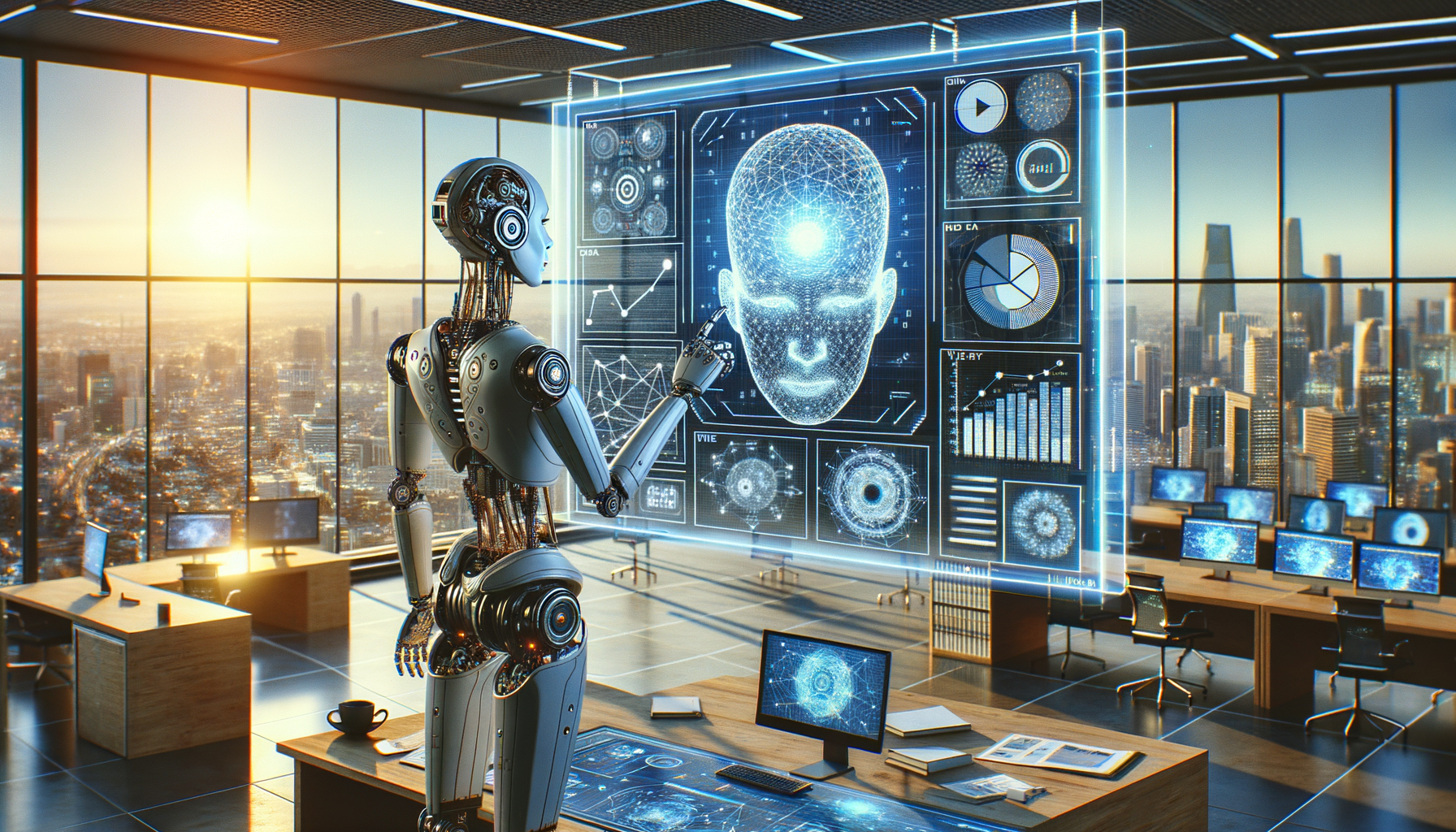
In my journey through video marketing, I have come to appreciate the critical importance of targeting and segmentation. The days of one-size-fits-all marketing are long gone; today’s consumers expect brands to understand their unique preferences and deliver content that aligns with their interests. AI plays a pivotal role in enhancing targeting capabilities by analyzing vast datasets to identify patterns and trends that inform segmentation strategies.
By leveraging machine learning algorithms, I can segment my audience based on various criteria such as behavior, demographics, and psychographics. This allows me to create highly targeted video campaigns that speak directly to each segment’s needs and desires. For example, if I discover that a particular demographic responds well to humor in advertising, I can tailor my video content accordingly.
The precision with which AI enables targeting not only improves engagement rates but also maximizes return on investment by ensuring that my marketing efforts reach the right people at the right time.
Enhancing Video Analytics with AI
As I continue to explore the capabilities of AI in video marketing, I am particularly fascinated by its impact on analytics. Understanding how viewers interact with my content is crucial for refining my strategies and optimizing future campaigns. Traditional analytics methods often fall short in providing actionable insights, but AI-driven analytics tools offer a more comprehensive view of viewer behavior.
With AI, I can track a multitude of metrics, from watch time and engagement rates to viewer drop-off points. This data allows me to identify which elements of my videos resonate most with audiences and which aspects may need improvement. For instance, if I notice a significant drop-off at a specific point in my video, I can analyze the content leading up to that moment to determine what might have caused viewers to lose interest.
Armed with these insights, I can make informed decisions about future content creation and distribution strategies, ultimately leading to more effective video marketing campaigns.
AI-Powered Video Editing and Production
The process of video editing and production has traditionally been time-consuming and labor-intensive. However, as I embrace AI technologies, I find that these challenges are becoming increasingly manageable. AI-powered tools streamline the editing process by automating repetitive tasks such as cutting footage, color correction, and audio enhancement.
This not only saves me valuable time but also allows me to focus on the creative aspects of video production. Moreover, AI can assist in generating video content from scratch by utilizing existing assets or even creating entirely new visuals based on predefined parameters. For example, I can input specific themes or styles into an AI-driven platform, which then generates a draft video that aligns with my vision.
This capability opens up new avenues for creativity and experimentation, enabling me to produce high-quality videos more efficiently than ever before. As I continue to explore these tools, I am excited about the potential for innovation in my video marketing efforts.
Optimizing Video SEO with AI
In the digital landscape, visibility is paramount, and optimizing video content for search engines is essential for reaching a wider audience. As I delve into the intricacies of video SEO, I recognize that AI can significantly enhance my efforts in this area. By analyzing search trends and user behavior, AI tools provide valuable insights into the keywords and phrases that resonate with my target audience.
With this information at my disposal, I can optimize my video titles, descriptions, and tags to improve search rankings and increase discoverability. Additionally, AI can help me identify optimal posting times based on when my audience is most active online. By strategically timing my video releases and ensuring they are optimized for search engines, I can maximize their reach and engagement potential.
The combination of AI-driven insights and effective SEO strategies empowers me to elevate my video marketing campaigns and connect with viewers more effectively.
AI-Driven Content Distribution and Recommendation
Once my videos are created and optimized for search engines, the next challenge is ensuring they reach the right audience. This is where AI-driven content distribution comes into play. As I explore various platforms for sharing my videos, I find that AI algorithms play a crucial role in determining which content is recommended to users based on their viewing habits and preferences.
By leveraging these algorithms, I can enhance my distribution strategy by targeting specific platforms where my audience is most active. For instance, if data shows that a particular demographic engages more with video content on social media platforms like Instagram or TikTok, I can prioritize those channels for distribution. Additionally, AI-powered recommendation systems can suggest my videos to users who have shown interest in similar content, increasing the likelihood of engagement and shares.
This targeted approach not only amplifies my reach but also fosters a sense of community around my brand.
The Future of AI in Video Marketing
As I reflect on the current landscape of video marketing and the role of AI within it, I am filled with anticipation for what lies ahead. The rapid advancements in technology suggest that we are only scratching the surface of what is possible with AI in this field. As machine learning algorithms become more sophisticated and data analytics tools evolve, I envision a future where video marketing becomes even more personalized and immersive.
In this future landscape, I foresee the integration of virtual reality (VR) and augmented reality (AR) into video marketing strategies powered by AI insights. These technologies will allow me to create interactive experiences that engage viewers on a deeper level, blurring the lines between reality and digital content. Furthermore, as consumer expectations continue to evolve, I believe that brands will increasingly rely on AI to anticipate trends and adapt their strategies accordingly.
In conclusion, the journey through the intersection of AI and video marketing has been enlightening. From personalized content creation to enhanced analytics and distribution strategies, AI has proven itself as an invaluable ally in navigating this ever-changing landscape. As I continue to embrace these technologies, I am excited about the endless possibilities they present for creating impactful video marketing campaigns that resonate with audiences around the world.
As AI continues to revolutionize video marketing, businesses are also exploring other innovative strategies to enhance their outreach. One such strategy is the use of webinars, which can effectively build mailing lists and scale businesses. For more insights on this topic, you can read the article on how webinars and automation can build your mailing list and scale your business.