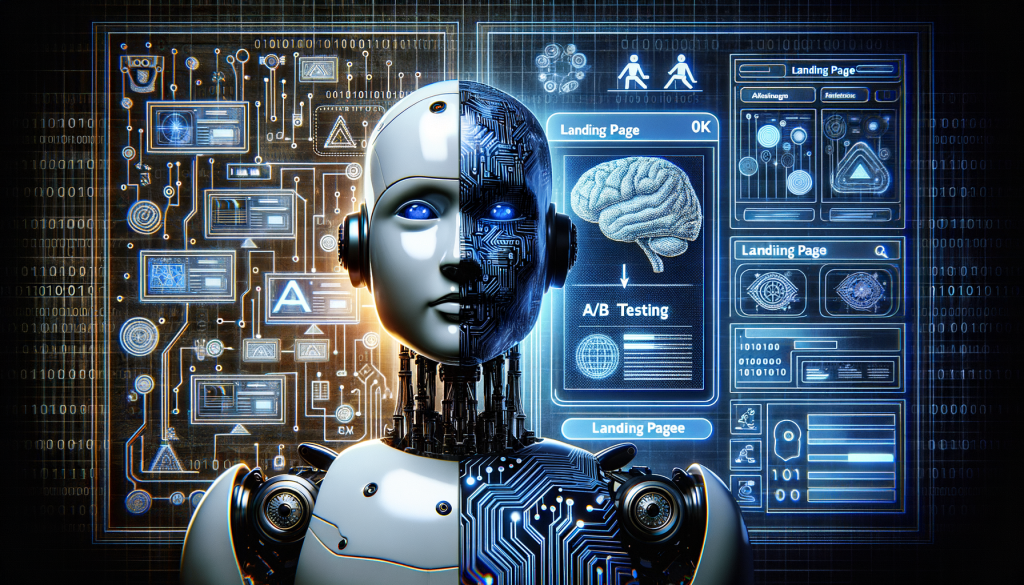

In the ever-evolving landscape of digital marketing, A/B testing has emerged as a cornerstone for optimizing user experiences and enhancing conversion rates. You may already be familiar with the concept: it involves comparing two versions of a webpage or app to determine which one performs better in terms of user engagement and conversion metrics. However, as the volume of data generated by users continues to grow exponentially, traditional A/B testing methods can become cumbersome and time-consuming.
This is where AI automation steps in, revolutionizing the way you approach A/B testing. AI automation not only streamlines the testing process but also enhances its effectiveness. By leveraging machine learning algorithms, you can analyze vast amounts of data in real-time, allowing for quicker decision-making and more accurate insights.
Imagine being able to run multiple tests simultaneously, adjusting variables on the fly based on user interactions. This level of agility is what AI brings to the table, making it an invaluable tool for marketers looking to stay ahead in a competitive environment.
Key Takeaways
- AI automation enhances the efficiency and accuracy of A/B testing processes.
- Selecting appropriate AI tools is crucial for effective A/B test implementation.
- AI-driven analysis provides deeper insights for optimizing landing pages.
- Awareness of common challenges helps in mitigating risks in AI-powered A/B testing.
- Following best practices ensures successful automation and improved test outcomes.
Understanding the Benefits of AI in A/B Testing
The integration of AI into A/B testing offers a multitude of benefits that can significantly enhance your marketing strategies. One of the most notable advantages is the ability to process and analyze data at an unprecedented scale. Traditional methods often require manual analysis, which can lead to delays and potential errors.
With AI, you can automate data collection and analysis, allowing you to focus on interpreting results and making informed decisions. Moreover, AI can help you identify patterns and trends that may not be immediately apparent through manual analysis. For instance, machine learning algorithms can uncover correlations between user behavior and conversion rates, enabling you to tailor your marketing efforts more effectively.
This means that instead of relying solely on intuition or past experiences, you can base your decisions on data-driven insights that are continuously refined as more data is collected.
Choosing the Right AI Tools for A/B Testing

Selecting the appropriate AI tools for your A/B testing endeavors is crucial for maximizing your results. With a plethora of options available, it’s essential to consider factors such as ease of use, integration capabilities, and the specific features that align with your testing goals. You might want to start by evaluating platforms that offer robust analytics capabilities, as these will provide you with the insights needed to make informed decisions.
Additionally, consider tools that allow for seamless integration with your existing marketing stack. The ability to connect your A/B testing tools with customer relationship management (CRM) systems, email marketing platforms, and analytics software can streamline your workflow and enhance collaboration across teams. Look for solutions that offer user-friendly interfaces and comprehensive support resources, ensuring that you can leverage their full potential without a steep learning curve.
Setting Up A/B Testing with AI Automation
Once you’ve chosen the right AI tools, the next step is setting up your A/B tests effectively. Begin by defining clear objectives for your tests; whether you’re aiming to increase click-through rates, improve user engagement, or boost sales conversions, having specific goals will guide your testing process. You should also identify the key performance indicators (KPIs) that will help you measure success.
With AI automation in place, you can create variations of your webpage or app with ease. The tools will often provide templates or suggestions based on best practices, allowing you to experiment with different elements such as headlines, images, and call-to-action buttons. As you launch your tests, AI can monitor user interactions in real-time, automatically adjusting variables based on performance metrics.
This dynamic approach not only saves time but also ensures that you’re continually optimizing for the best possible outcomes.
Analyzing A/B Test Results with AI
Analyzing the results of your A/B tests is where the true power of AI shines. Traditional analysis methods can be labor-intensive and prone to human error, but AI-driven analytics provide a more accurate and efficient way to interpret data. You can leverage machine learning algorithms to sift through large datasets quickly, identifying which variations performed best and why.
Furthermore, AI can help you segment your audience based on behavior patterns and demographics, allowing for deeper insights into how different groups responded to your tests. This level of granularity enables you to tailor your marketing strategies more effectively, ensuring that you’re not just optimizing for overall performance but also catering to the unique preferences of various audience segments.
Optimizing Landing Pages with AI-Driven Insights

Landing pages are often the first point of contact between your brand and potential customers, making their optimization critical for conversion success. With AI-driven insights from your A/B tests, you can make data-informed adjustments that enhance user experience and drive conversions. For instance, if your tests reveal that a particular headline resonates more with users, you can implement it across your landing pages to maximize impact.
Additionally, AI can help you personalize landing page content based on user behavior and preferences. By analyzing past interactions and demographic data, AI tools can suggest tailored content that speaks directly to individual users’ needs and interests. This level of personalization not only improves user engagement but also fosters a sense of connection between your brand and its audience.
Overcoming Challenges and Pitfalls in AI-Driven A/B Testing
While the benefits of AI-driven A/B testing are substantial, there are challenges and pitfalls that you should be aware of as you embark on this journey. One common issue is over-reliance on automation; while AI can provide valuable insights, it’s essential to maintain a human touch in decision-making processes. Balancing data-driven insights with creative intuition will yield the best results.
Another challenge lies in ensuring data quality. AI algorithms are only as good as the data they analyze; if your data is flawed or incomplete, it can lead to misleading conclusions. Regularly auditing your data sources and ensuring that you’re collecting relevant information will help mitigate this risk.
Additionally, be cautious about drawing conclusions too quickly; allow sufficient time for tests to run before making significant changes based on preliminary results.
Best Practices for Using AI to Automate A/B Testing
To maximize the effectiveness of AI in automating your A/B testing processes, consider implementing several best practices. First and foremost, establish a culture of experimentation within your organization. Encourage team members to embrace testing as a means of continuous improvement rather than viewing it as a one-off task.
Next, prioritize clear communication throughout the testing process. Ensure that all stakeholders understand the objectives of each test and how results will be analyzed and applied. This transparency fosters collaboration and helps align efforts across teams.
Finally, continuously iterate on your testing strategies based on insights gained from previous tests. The digital landscape is constantly changing; what works today may not work tomorrow. By remaining agile and open to new ideas, you’ll be better positioned to adapt your strategies in response to evolving user behaviors and market trends.
In conclusion, integrating AI automation into your A/B testing processes can significantly enhance your marketing efforts by providing deeper insights and streamlining workflows. By understanding the benefits of AI, choosing the right tools, setting up effective tests, analyzing results accurately, optimizing landing pages intelligently, overcoming challenges thoughtfully, and adhering to best practices diligently, you can harness the full potential of AI-driven A/B testing to achieve remarkable results in your digital marketing campaigns.